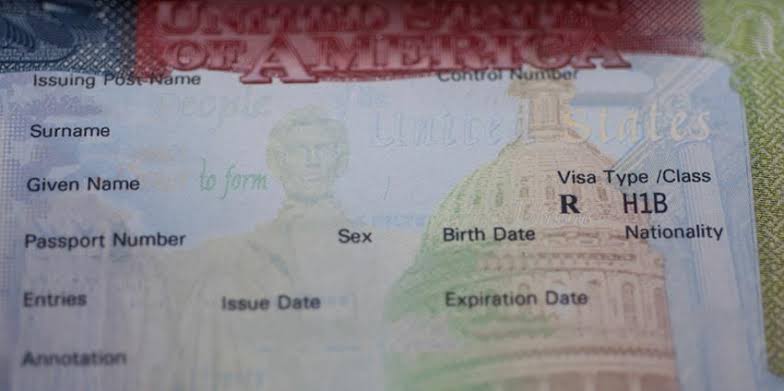

WASHINGTON — President Donald Trump has extended for another year a policy requiring a $100,000 payment for certain H-1B petitions involving workers outside the United States, keeping the entry restriction in place until September 21, 2027.
The extension was signed on September 18, 2026, one year after the administration introduced the unusually large payment as part of a wider effort to reshape the skilled-worker visa program. The new White House proclamation says entry is restricted unless the relevant petition is accompanied or supplemented by the payment, subject to limited national-interest exceptions.
The most important detail for workers and employers is that this is not a blanket annual charge on every H-1B holder. The proclamation focuses on people outside the United States who need admission to take up employment under an affected petition. The employer must obtain and retain proof of payment before filing, while the State Department is directed to verify that payment during the visa process.
The administration’s earlier H-1B guidance said the payment did not apply to visas already issued, petitions filed before the original policy took effect, or H-1B renewals. It also said existing H-1B visa holders were not prevented from travelling in and out of the country. Employers should nevertheless check current agency instructions before filing because the policy has faced litigation and its implementation may change.
Who is affected and why the White House extended it
The H-1B program allows US employers to sponsor foreign professionals for specialty occupations, including many jobs in technology, engineering, healthcare and research. The annual statutory cap generally provides 65,000 visas, plus 20,000 places for eligible graduates holding advanced US degrees.
In its proclamation, the White House argued that some staffing and outsourcing businesses had used the program to bring in lower-paid workers and displace American employees. It said more than 700 petitions had been accompanied by the $100,000 payment since the original restriction began.
The administration also said registrations from the largest IT staffing and outsourcing firms fell from 24,946 to 2,055, a 92% decline. Consular-processing requests were said to have fallen by nearly 97% between the fiscal 2025 and fiscal 2027 cap seasons. Those numbers are administration figures presented as evidence that the policy is working, rather than an independent finding that every reduction represented fraud or abuse.
“The underlying conditions necessitating the restrictions persist,” the proclamation said, arguing that ending the measure could reverse the change in filing patterns.
The impact could be particularly significant for Indian technology professionals and outsourcing companies, historically among the biggest users of H-1B visas. A $100,000 cost may be manageable for a highly specialised or senior hire but prohibitive for entry-level recruitment, smaller businesses, universities, hospitals and start-ups unless an exemption applies.
New scrutiny of layoffs and a separate proposed fee
Trump also signed a companion executive order on H-1B oversight. It directs the State, Labor and Homeland Security departments to improve data sharing and consider whether a sponsoring employer recently laid off, or plans to lay off, similarly situated US workers. That creates a second layer of risk for companies filing petitions while reducing domestic headcount.
The $100,000 proclamation payment should not be confused with a separate DHS proposal. In August, USCIS proposed a $103,265 filing fee for all cap-subject H-1B petitions to recover immigration-system costs. That proposal was still in the rulemaking process and was not made final by Friday’s proclamation.
The policy also remains legally contested. A federal judge in Massachusetts ruled in June that the original $100,000 requirement exceeded presidential authority, finding that it functioned as an unauthorised tax. The administration appealed. The extension therefore signals the White House’s intention to continue the restriction, but it does not erase the court dispute.
For applicants, the immediate questions are where the worker is located, whether the filing is a genuinely new petition or a renewal, whether entry through consular processing is required, and whether a national-interest exception has been granted. The safest practical step is to rely on the latest USCIS and State Department instructions rather than social-media summaries before travel or filing decisions are made.

Make Swikblog your go-to source on Google for reliable updates, smart insights, and daily trends.