
By Swikriti Dandotia
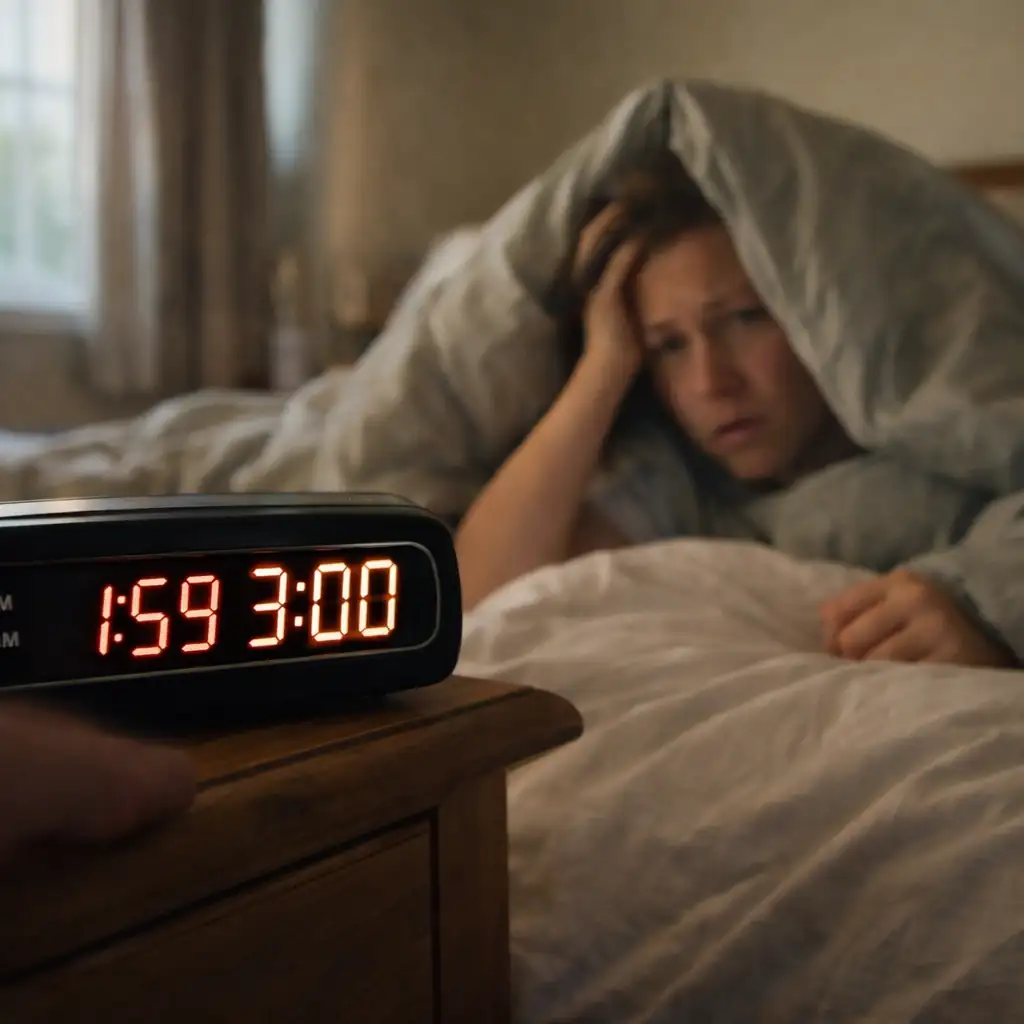
The UK officially moved into British Summer Time today, as clocks jumped forward by one hour in the early hours of Sunday, 29 March 2026. At exactly 1:00am, time skipped ahead to 2:00am — and with it, millions of people lost an hour of sleep overnight.
While the shift brings brighter evenings and the promise of longer days, the immediate reality for many is far less appealing. Grogginess, low energy, irritability and lack of focus are all common reactions after the clock change. And according to experts, it is not just in your head — your body is genuinely struggling to keep up.
Why losing just one hour feels so exhausting
It may only be a one-hour difference on the clock, but for your body, it can feel much bigger. That is because humans operate on a circadian rhythm — an internal biological clock that controls sleep, metabolism, hormones and energy levels.
When the clocks suddenly move forward, that rhythm does not instantly adjust. Instead, your body continues to follow the old schedule, creating what experts describe as a mismatch between your internal clock and the outside world.
Dr Jeffrey Kelu, a circadian rhythms expert, explains that the spring clock change leads to an immediate reduction in sleep duration and difficulty adapting to earlier wake times. This can result in what is often called “social jet lag” — a condition linked to fatigue, poor concentration and mood changes.
In simple terms, your alarm may say it is time to wake up, but your body still thinks it is too early.
This is also why the spring transition tends to feel harder than the autumn one. In October, you gain an extra hour of sleep. In March, you lose it — and that loss is felt almost instantly.
More than just sleep: how your body is affected
The impact of daylight saving time goes beyond feeling tired. Experts say the disruption can affect several key systems in your body, particularly in the first few days after the change.
Your metabolism, for example, is closely linked to your circadian rhythm. When your sleep schedule shifts suddenly, your eating patterns can fall out of sync too. This can lead to what nutritionists describe as “gut lag”, where your digestive system struggles to align with new meal timings.
Hormone levels are also affected. The body relies on light exposure to regulate melatonin — the hormone that controls sleep. Brighter evenings can delay the release of melatonin, making it harder to fall asleep at your usual time, even if you feel tired.
As a result, many people experience a cycle of poor sleep, low energy and irregular appetite in the days following the clock change.
There is also evidence linking these disruptions to mood changes. Feeling irritable, less motivated or mentally foggy is common, especially at the start of the week after the clocks go forward.
Why experts say the spring change is more disruptive
Health professionals widely agree that the March clock change is more challenging than the one in autumn. The main reason is simple: sleep loss.
Losing even one hour of rest can have a noticeable effect on how the body functions. Unlike gradual changes in routine, this shift happens instantly, giving your body no time to prepare.
That sudden change is why organisations like sleep research groups have previously raised concerns about the wider health impact of daylight saving time, particularly in spring.
Despite the debate, the system remains in place across the UK, meaning people must adapt quickly each year — whether they like it or not.
How to adjust to the clock change faster
The good news is that most people adjust within a few days. While you cannot avoid the lost hour, there are simple ways to help your body adapt more smoothly.
One of the most effective strategies is exposure to natural light in the morning. Getting outside early, even briefly, helps reset your internal clock and signals that the day has begun.
Gradually adjusting your routine can also make a difference. Experts recommend shifting your bedtime and wake-up time by 15 to 20 minutes earlier in the days leading up to the change, although many people only think about this after the clocks have already moved.
Keeping regular meal times is equally important. Eating at consistent times — especially breakfast — helps your body align digestion and energy levels with the new schedule.
It is also worth being mindful of caffeine and screen use. Drinking coffee too late in the day or using screens late at night can delay sleep further, making the adjustment period longer than it needs to be.
For those struggling, small changes can go a long way. A slightly earlier night, lighter meals in the evening and limiting bright light before bed can all help restore balance more quickly.
For a deeper understanding of how body clocks work and how to manage them, readers can refer to the Sleep Foundation’s guide on circadian rhythm.
British Summer Time marks the start of longer, brighter days — something many people look forward to after winter. But the transition itself is rarely smooth. For millions across the UK today, the loss of one hour has been enough to throw off sleep, energy and routine, at least for now.
The good news is that your body will catch up. It just needs a little time — even if the clock has already moved on.

Make Swikblog your go-to source on Google for reliable updates, smart insights, and daily trends.