
A widespread Ventura Foods recall is putting a spotlight on a pantry staple: salad dressing. If you’ve bought ranch, Caesar, or other dressings recently — especially from big retailers — it’s worth taking two minutes to check your fridge. The issue involves reports of foreign material linked to an ingredient used in certain batches, and the recall footprint spans 27 U.S. states.
What is the Ventura Foods recall?
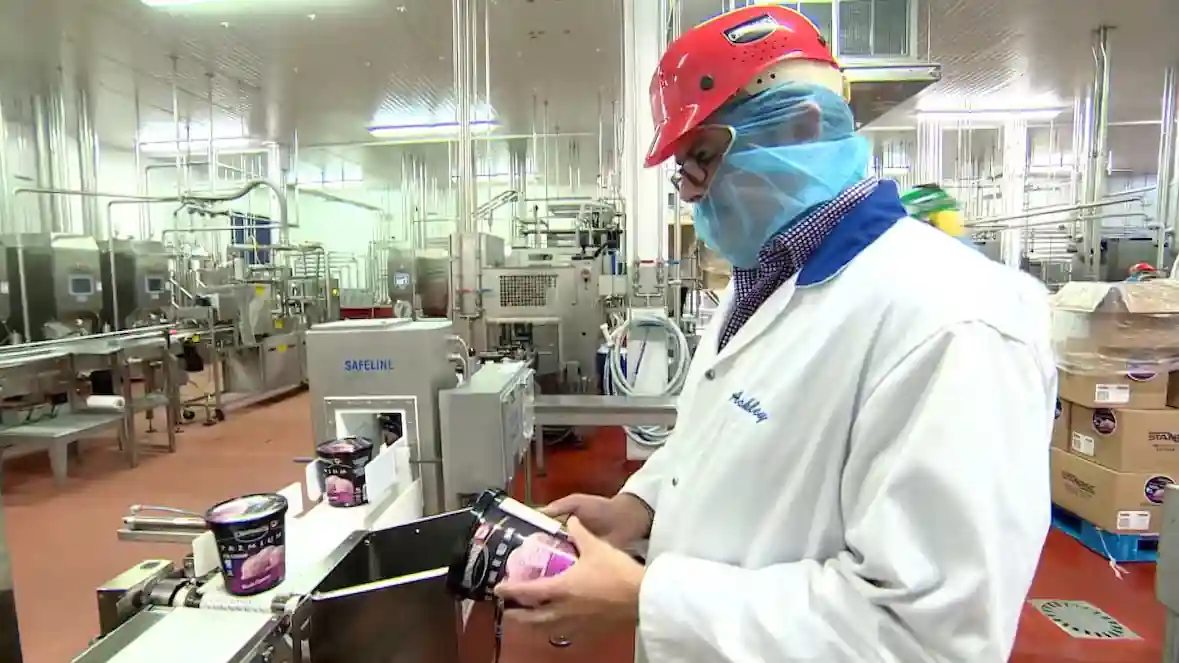
Ventura Foods is a major U.S. food manufacturer that produces and distributes dressings and condiments, including products that may be branded for retail or used in store delis and prepared foods. In this recall, certain batches of dressings were pulled after a concern that an ingredient (granulated onion used in production) could contain black plastic “planting material” — meaning small foreign pieces that don’t belong in food. For shoppers, the key point is simple: this is batch-specific. It does not automatically mean every bottle of ranch or every product under a familiar label is affected.
Why “foreign objects” triggers a serious response
“Foreign objects” in food can be a choking hazard or cause mouth, throat, or digestive irritation — especially for children, older adults, or anyone with swallowing difficulties. In many recalls, the expected risk is low, but regulators still want affected products out of circulation quickly because the consequences depend on size, shape, and who consumes it.
The U.S. Food and Drug Administration (FDA) tracks and classifies recalls through its enforcement reporting system. You can review the FDA’s recall classification framework and updates through its official enforcement reports hub here: FDA Enforcement Reports (official).
Where the recalled dressings were sold
Reports tied to this recall indicate distribution through major retailers and food-service channels — including store delis and prepared-food operations. That matters because some affected items may be used behind the counter (for salads, sandwiches, or food court menu items) rather than sold as a take-home bottle with a familiar front label.
If you shop at large warehouse clubs or grocery chains, pay extra attention to: prepared salads, Caesar kits, deli items, and food court dressings — not just the condiment aisle.
How to tell if your product is affected
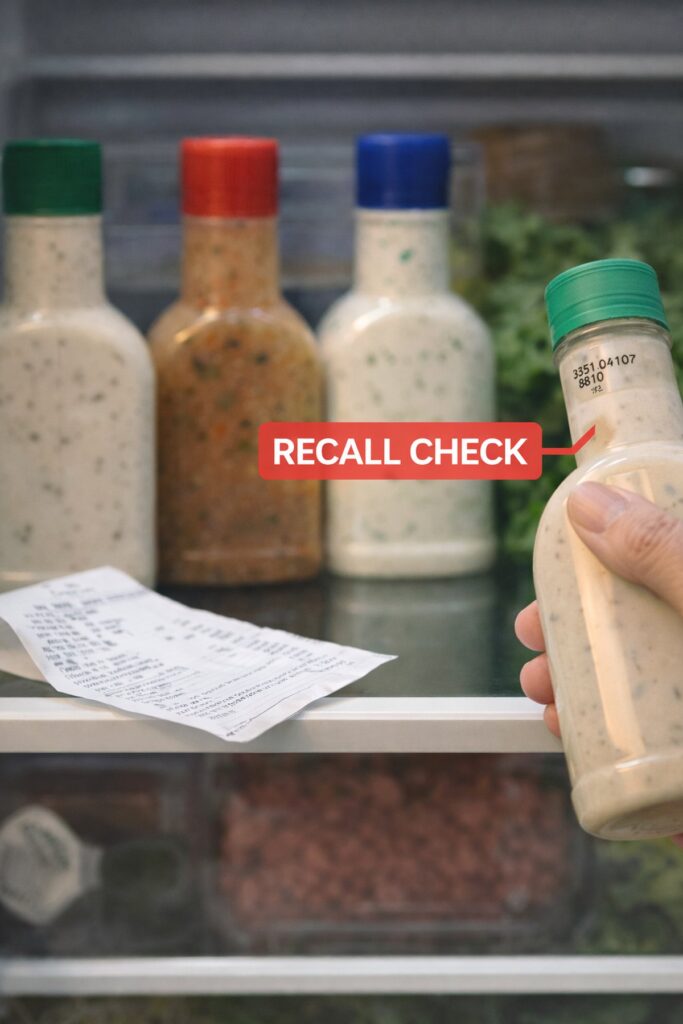
The fastest way to confirm is to look for lot codes, sell-by/best-by dates, and any retailer notice that lists affected items. If you still have packaging, check:
- Lot/Code information printed near the cap, neck, or label edge
- Best-by / sell-by date (often stamped in ink)
- Retailer alerts (many stores publish lists by SKU or item description)
If your bottle or prepared item matches a recall list, the safest move is: don’t consume it. Return it if your store offers refunds, or dispose of it if returns aren’t possible.
What to do if you already ate it
Most people who consumed a small amount would likely have no issues — but if you suspect you consumed an affected product and notice symptoms like throat discomfort, persistent abdominal pain, vomiting, or unusual irritation, it’s reasonable to seek medical advice. For urgent symptoms (trouble breathing, choking, severe pain), treat it as an emergency.
Quick fact box: why recalls can expand fast
Why recalls spread quickly: one ingredient (like granulated onion) can be shipped to multiple facilities, used across multiple recipes, and then distributed under different product names. That’s why a single supplier issue can affect several dressings, sauces, and prepared foods at the same time.
Why the Hidden Valley name shows up in headlines
Headlines often highlight a household name because it signals relevance fast: people immediately check their fridge when they recognize a brand. But recalls like this are usually tied to specific production runs and distribution channels. The practical takeaway is to focus on codes and dates, not just the brand name on the front.
For a consumer-friendly roundup of what’s been reported so far, including the broad distribution footprint, see this summary: Food & Wine’s recall explainer.
Bottom line
If you have salad dressings at home — or you recently bought prepared deli items that include creamy dressings — it’s worth checking recall notices and any lot code details you can find. Food recalls can feel alarming, but they’re also a sign that the safety net is working: identify the risk, pull the batch, and reduce the chance of harm.
You may also like
U.S. Marines Partner With News 2 for Lowcountry Toy Drive

Make Swikblog your go-to source on Google for reliable updates, smart insights, and daily trends.