The Chagos Islands deal has erupted into an unexpected international flashpoint after Donald Trump publicly condemned the agreement as an act of “GREAT STUPIDITY.” At the heart of the row is a remote archipelago in the Indian Ocean — and one of the most strategically important military bases in the world. What was intended as a long-delayed resolution to a colonial dispute has now become a test of the UK’s global judgment, the durability of the transatlantic alliance, and the balance between historical justice and modern security.
So what exactly is the Chagos Islands deal — and why has it suddenly become so controversial?
What is the Chagos Islands deal?
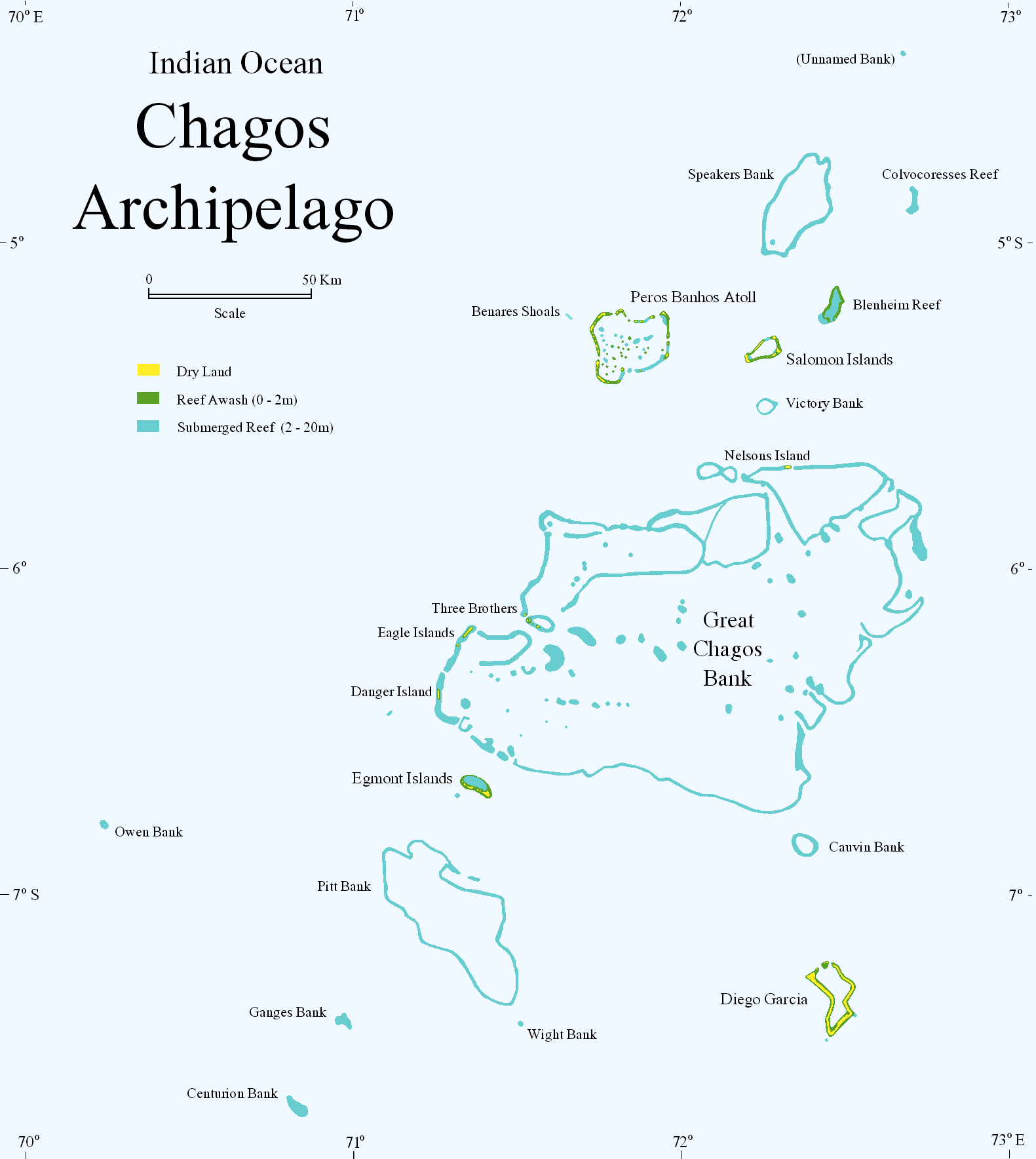
The agreement, reached between the United Kingdom and Mauritius, would see Britain transfer sovereignty of the Chagos Islands while retaining control of the UK–US military base on Diego Garcia through a long-term lease.
Under the proposed terms:
- Sovereignty of the Chagos Archipelago would pass to Mauritius
- The UK would lease back Diego Garcia for 99 years, with an option to extend by 40 more
- The lease would cost the UK £101 million per year, according to Prime Minister Keir Starmer
The base on Diego Garcia is jointly operated with the United States and is central to Western military operations across the Middle East, East Africa, and the Indo-Pacific.
Why are the Chagos Islands so important?

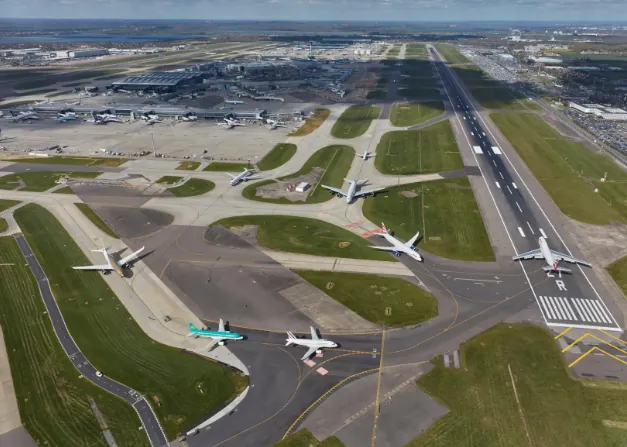
Although sparsely populated today, the Chagos Islands sit at a critical geopolitical crossroads. Diego Garcia hosts deep-water ports, long runways, and advanced surveillance infrastructure used by the US and its allies for decades.
The base has supported major operations during the Iraq and Afghanistan wars and remains a key pillar of US strategy in countering growing Chinese influence in the Indian Ocean. For Washington, uninterrupted access to Diego Garcia is considered non-negotiable.
Trump’s explosive criticism — and why it matters
In a post on Truth Social, Trump accused the UK of “giving away extremely important land for no reason whatsoever,” warning that rivals such as China and Russia would interpret the move as weakness.
What makes the intervention so striking is that Trump’s own administration previously supported the deal. In May 2025, US Secretary of State Marco Rubio praised the agreement as a “monumental achievement,” arguing it strengthened long-term stability while protecting US military interests.
Trump’s sudden reversal has therefore blindsided London and raised uncomfortable questions about whether US backing for the arrangement can still be relied upon.
You May Like
Norway Confirms Trump Letter as EU–Greenland Tariff Tensions Rise
The latest Greenland-linked tariff tensions, explained — and what it could mean for EU diplomacy and transatlantic relations.
The colonial history behind the dispute
The roots of the Chagos issue stretch back to the final days of the British Empire. In 1965, three years before Mauritius gained independence, Britain separated the Chagos Islands from the rest of the colony and retained control.
Mauritius has long argued that it was forced to surrender the territory as the price of independence — a claim supported by international legal rulings in recent years.
To make way for the military base, thousands of Chagossians were forcibly removed from their homes in the late 1960s and early 1970s. Many were resettled in Mauritius and the Seychelles, while others later moved to the UK, particularly to Crawley in West Sussex. Their displacement remains one of Britain’s most controversial post-war actions.
Why the UK agreed to the deal
Successive UK governments have faced mounting legal and diplomatic pressure to resolve the dispute. International bodies, including the United Nations, have repeatedly backed Mauritius’s claim to sovereignty.
The Starmer government argues that the agreement protects national security while closing a painful chapter of colonial history. By locking in long-term control of Diego Garcia, ministers insist the UK and US lose no operational capability while removing an ongoing legal vulnerability.
For Britain, the deal was also meant to demonstrate commitment to a rules-based international order.
Political fallout and growing uncertainty
Trump’s remarks have reignited fierce debate in the UK. Critics argue that symbolic sovereignty matters, and that transferring it weakens Western leverage even if the base remains operational.
Reform UK leader Nigel Farage welcomed Trump’s stance, calling the agreement a surrender of vital territory. Others within government fear that the episode undermines claims of a stable “special relationship” with Washington.
The situation is further complicated by Trump’s attempt to link the Chagos deal to his push for US control of Greenland, folding the issue into a much broader narrative about global power and territorial security.
Is the Chagos Islands deal at risk?
Technically, the agreement remains in place. However, its political future now looks far less certain. While sovereignty and base access are legally separate, the reality is that Diego Garcia’s future depends on continued US cooperation.
If Washington withdraws its support, the UK could find itself forced back to the negotiating table — or facing renewed diplomatic strain with both allies and international institutions.
Why this debate matters globally
The Chagos Islands dispute is no longer just about a remote archipelago. It sits at the intersection of decolonisation, great-power competition, and alliance politics. How it is resolved will signal whether historic wrongs can be addressed without destabilising modern security — or whether geopolitical rivalry makes such compromises impossible.
For now, what was meant to be a quiet diplomatic settlement has turned into a very public test of judgment, credibility, and power in a rapidly shifting world.

Make Swikblog your go-to source on Google for reliable updates, smart insights, and daily trends.