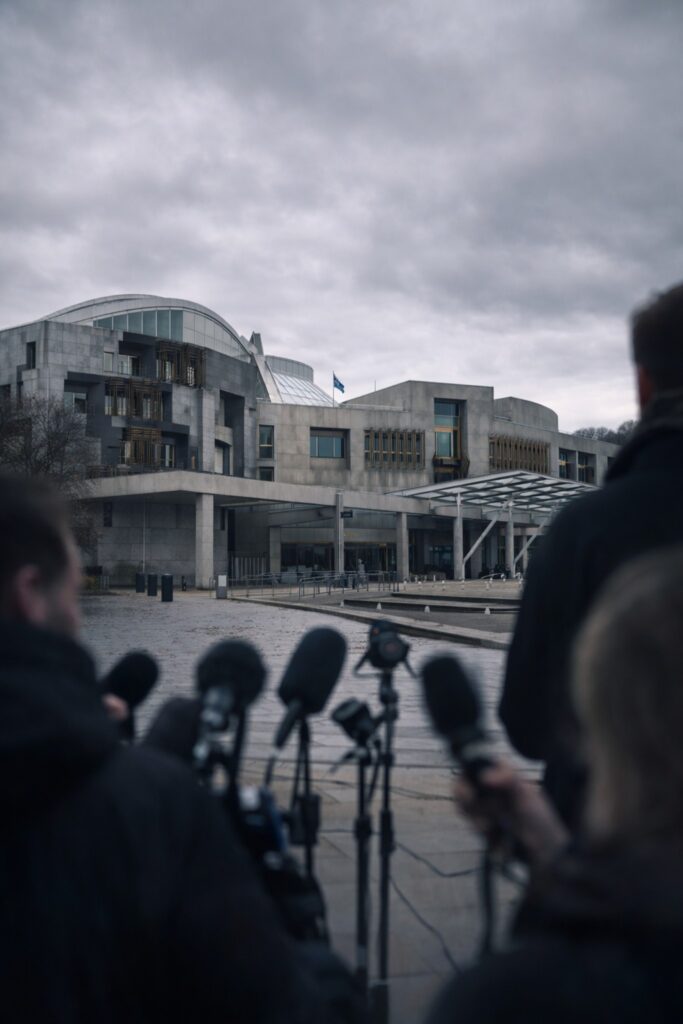

The Scottish Budget is one of the most important moments in Scotland’s political calendar — and this year’s announcement is being watched especially closely as households continue to feel the effects of high living costs and pressure on public services.
Although the final details have not yet been confirmed, ministers, economists and families across Scotland are waiting for clarity on tax rates, public spending and cost-of-living support. Here is what we know so far about when the Scottish Budget is expected to be announced, what time it usually happens, and the key tax changes to watch.
When will the Scottish Budget be announced?
The Scottish Budget is expected to be announced in mid-December, in line with previous years. The statement is traditionally delivered to the Scottish Parliament by the Cabinet Secretary for Finance, followed by the publication of detailed Budget papers.
At the time of writing, the exact date has not yet been formally confirmed. However, the Scottish Government has indicated the announcement will take place before the end of the current parliamentary session to give councils and public bodies time to finalise their own budgets.
Once confirmed, the announcement will receive live coverage and analysis from major UK outlets including BBC News Scotland, which is already publishing explainer pieces and political reaction ahead of the Budget.
This article will be updated as soon as the official date is confirmed.
What time is the Scottish Budget usually announced?
In recent years, the Scottish Budget has typically been unveiled in the early afternoon. Most announcements have taken place between 12:30pm and 2:30pm GMT UK time.
The Finance Secretary’s statement is usually followed by:
- Immediate responses from opposition parties
- Publication of detailed spending tables
- Press conferences and media briefings later in the day
If this year follows the same pattern, households can expect a clear picture of tax and spending plans by mid-afternoon.
Why this Budget matters more than ever
This year’s Budget comes at a sensitive moment for Scotland’s finances. Inflation has eased from its peak, but everyday costs remain high, wages have lagged behind living expenses, and demand on public services continues to rise.
At the same time, funding constraints mean that difficult trade-offs are widely expected. That makes this Budget particularly significant for middle-income earners, families with children, public-sector workers and small businesses.
Tax changes to watch closely
Income tax thresholds
Income tax is expected to be one of the most closely scrutinised elements of the Budget. Scotland already operates a different income tax system from the rest of the UK, with additional bands and higher rates for top earners.
There is growing speculation that:
- Income tax thresholds could be frozen again, pulling more people into higher bands
- Higher or advanced rates could increase, even if headline rates remain unchanged
Critics describe this as a form of “stealth tax”, while ministers argue it is necessary to maintain funding for essential services.
Council tax and local funding
Although council tax is set locally, the Scottish Budget plays a major role in determining how much funding councils receive from central government.
Any reduction in local authority funding could lead to higher council tax bills, reduced services or further strain on social care and education.
Support for low-income households
Campaigners are also watching for announcements on support for low-income households, including:
- Cost-of-living support measures
- Scottish social security payments
- Funding aimed at reducing child poverty
Even modest changes in these areas can have a significant impact on families already struggling to cope with rising costs.
Public spending: where pressure may fall
Health, education and transport are expected to dominate the spending side of the Budget.
Key questions include whether NHS funding will rise in real terms, whether schools and universities can avoid further cuts, and whether major infrastructure projects will be delayed or scaled back.
The Scottish Government has repeatedly said it will prioritise frontline services, but analysts warn some departments may still face real-terms reductions.
What happens after the announcement?
Once the Budget is delivered, it will face scrutiny from opposition parties, business groups and charities. Negotiations may continue if amendments are required to secure parliamentary backing.
For households, the most important issue will be how quickly any tax or benefit changes take effect, rather than simply what is announced on the day.
For related UK political and economic context, readers can explore this internal Swikblog feature on wider public policy pressures: UK political and social trends explained.
Where to follow the Scottish Budget live
The full Budget statement and supporting documents will be published on the Scottish Government’s official Budget pages, with live coverage and expert reaction from BBC News and other UK broadcasters.
The bottom line
The Scottish Budget may not yet have a confirmed date or time, but it is clearly imminent — and its impact will be felt well beyond Holyrood.
With potential tax freezes, pressure on public spending and ongoing cost-of-living concerns, this is one announcement millions across Scotland will be watching closely.
This article will be updated as soon as the Scottish Government confirms the official announcement date and time.

Make Swikblog your go-to source on Google for reliable updates, smart insights, and daily trends.