Donald Trump has filed a sweeping defamation lawsuit against the BBC, arguing that one edited sequence in a Panorama documentary changed the meaning of his January 6 speech — and that the consequences were enormous.
President Donald Trump has sued the BBC for up to $10 billion, alleging the UK broadcaster defamed him by presenting an edited version of his January 6, 2021 speech in a way that, he claims, falsely implied he encouraged violence at the U.S. Capitol. The complaint was filed in federal court in Miami, Florida, and it targets the BBC and entities linked to the programme’s distribution and production.
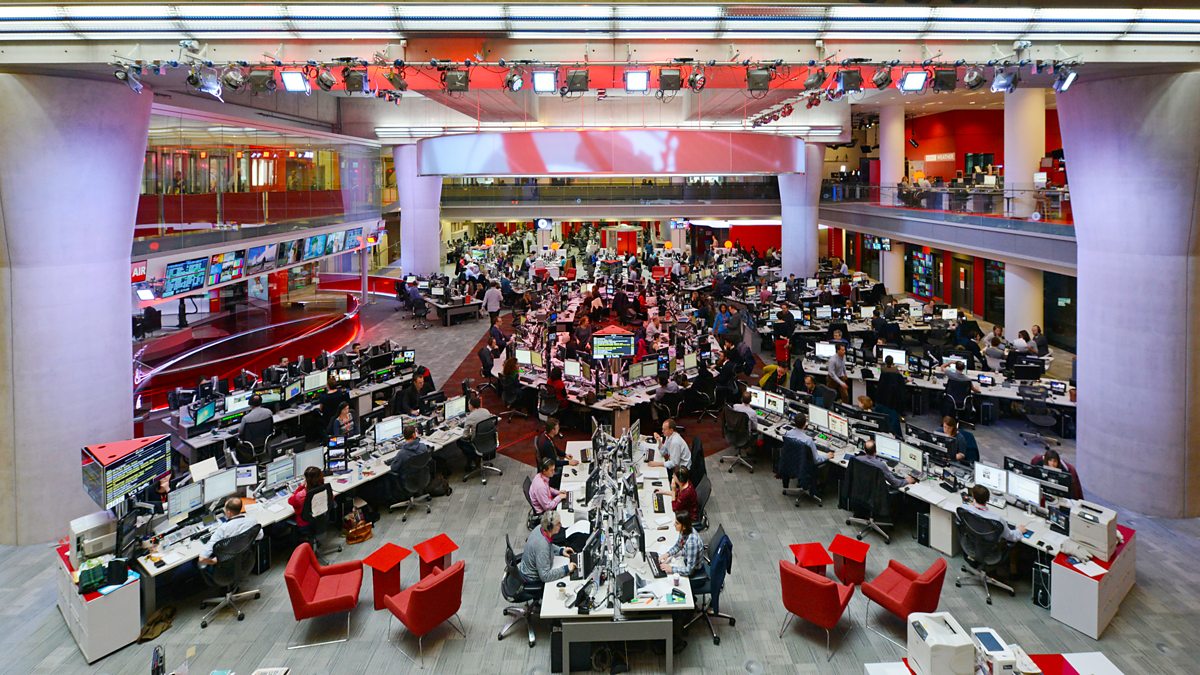
The lawsuit centers on a Panorama documentary aired ahead of the 2024 U.S. election, described in reports as focusing on Trump’s political comeback and legacy. (You can read reporting on the filing via Reuters and The Associated Press.)
What was the “single edit” Trump says crossed the line?
Trump’s argument is not simply that the BBC quoted him — it’s that the broadcaster edited a sequence in a way that, he says, reshaped the meaning of what viewers took away. According to coverage of the lawsuit, the documentary allegedly stitched together different parts of the same speech to create a punchier clip, while leaving out lines that Trump’s team says were essential for context — including statements urging supporters to act peacefully.
One of the most contested examples, as described in reporting on the controversy, involved words taken from parts of the speech delivered at different points in time, then played back-to-back as if they were a continuous call to action. Critics of the edit have argued that this kind of “compression” can change how intent is perceived — especially in a politically charged documentary format.
The BBC has previously acknowledged problems with the edit. In separate reporting about the fallout, the broadcaster apologised over the way the speech was cut and said the edit was misleading — while still disputing the legal claims now being made. (Background on the apology and internal fallout was reported by The Guardian.)
Why the lawsuit is asking for $10 billion
The headline number is massive — and it’s tied to how the complaint is structured. Reports on the filing say Trump is seeking $5 billion for a defamation claim and another $5 billion under a Florida consumer law known as the Deceptive and Unfair Trade Practices Act, together reaching the $10 billion total.
In practical terms, that figure signals how Trump’s team is framing the alleged harm: not as a minor editorial error, but as a broadcast decision with enormous reputational impact. That framing is common in high-profile media cases, where the plaintiff argues the damage goes beyond a single news cycle — especially when the publisher is a global broadcaster with a large international audience.
Why this fight is also about media editing standards
Editing is normal in television journalism — but defamation law often turns on meaning and implication. Trump’s lawsuit is effectively claiming that the BBC’s edit did more than shorten a clip: it created a misleading implication about intent by omitting key context and rearranging the speech into a more accusatory narrative.
That distinction matters. Even when every word in a broadcast is “real,” courts can still consider whether a publication presented facts in a way that would lead a reasonable viewer to believe something false. The lawsuit, as described in coverage, argues the BBC’s approach amounted to “putting words in my mouth” through sequencing and omission.
What the BBC has said — and what it hasn’t
The BBC has previously apologised for the edit and acknowledged that it created a misleading impression, according to reporting in the UK press. But the broadcaster has also resisted Trump’s compensation demands and disputed that the circumstances amount to defamation — a stance that sets the stage for a lengthy legal battle if the case proceeds.
Another key issue is where and how the programme was viewed. While the documentary was produced for a UK audience, reporting on the lawsuit notes arguments that American viewers could access it via distribution platforms — a detail that may influence questions around jurisdiction and venue.
What happens next
From here, the court will likely confront several threshold questions before it ever reaches the “was it defamatory?” core. Those include whether the Florida court is the proper venue for a dispute involving a UK broadcaster, and what legal standards apply when a public figure alleges defamation tied to political speech.
If the case moves forward, Trump would typically need to show not only that the edit was misleading, but that it was made with the level of fault required under U.S. law for public figures — a high bar. The BBC, for its part, may argue that the apology and corrective steps undermine claims of malicious intent, and that the documentary falls within protected journalistic activity.
Whatever the outcome, the lawsuit is already amplifying a wider debate: when does editing become distortion — and what accountability should apply when a broadcaster’s cut changes how history is understood?

Make Swikblog your go-to source on Google for reliable updates, smart insights, and daily trends.