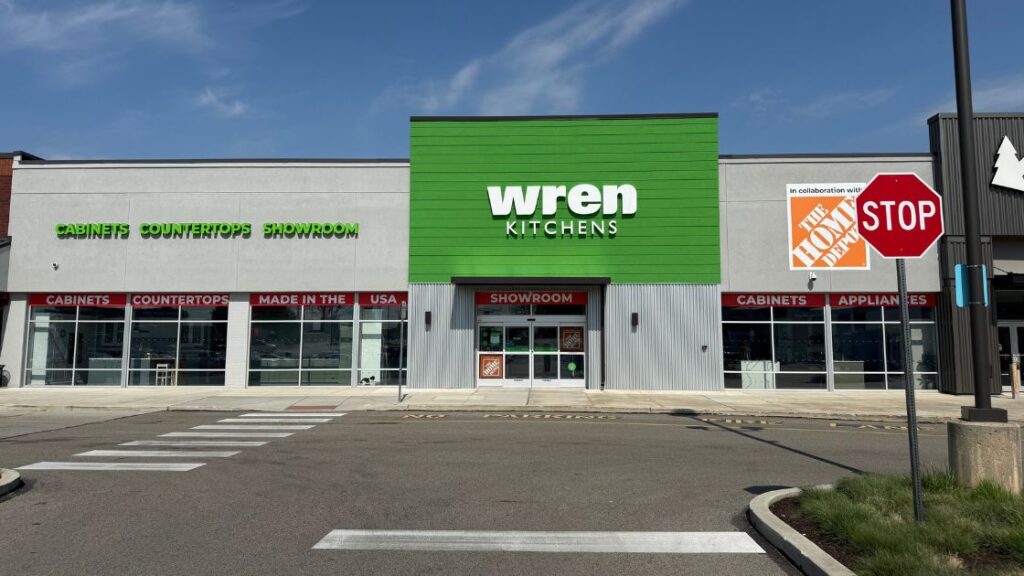

The sudden collapse of Wren Kitchens in the United States has sent shockwaves through the home improvement retail sector, highlighting the growing strain on consumer-driven industries. The UK-based kitchen specialist has shut down all 15 of its U.S. stores and filed for Chapter 7 bankruptcy liquidation, leaving employees without notice and customers uncertain about thousands of dollars in prepaid orders.
The move came abruptly on April 24, with staff reportedly informed during a last-minute virtual meeting that operations would cease immediately. Within hours, showrooms across the East Coast — including in-store installations inside Home Depot locations — were closed, marking a rapid and unexpected exit from the U.S. market.
The retailer’s downfall reflects broader pressure across the home improvement industry, where declining housing activity and cautious consumer spending have begun to weigh heavily. Even major players have felt the impact, as seen in recent performance updates covered by TheStreet, pointing to slowing demand despite steady long-term growth.
Sudden Shutdown Leaves Employees and Customers in Limbo
Employees were among the hardest hit, with many receiving no advance warning ahead of layoffs. Reports indicate that while final paychecks were issued, there was no severance package or continuation of benefits, raising concerns about compliance with labor laws requiring advance notice in large-scale layoffs.
At the same time, customers who had already paid deposits for kitchen installations now face uncertainty over whether they will recover their money. Many had committed thousands of dollars to orders that may never be fulfilled, with financial institutions emerging as the only potential route for reimbursement.
Retail Pressures Continue to Mount Across the Sector
Wren Kitchens’ exit underscores a growing list of closures across the home improvement space. Smaller, long-standing businesses have also begun shutting their doors after decades of operation, citing rising costs, shifting consumer behavior, and intensified competition.
In Ohio, a family-run hardware store closed after nearly 50 years in business, while another Florida retailer with an 80-year legacy announced its final shutdown. These closures point to a deeper transformation underway, where traditional retail models struggle to adapt to economic uncertainty and changing demand patterns.
Wren Kitchens had initially expanded into the U.S. market with ambitious plans, opening its first showroom in 2020 and later forming a partnership to place branded studios inside Home Depot stores. The strategy aimed to capture a larger share of the premium kitchen design segment, but ultimately failed to withstand weakening market conditions.
The company’s bankruptcy filing lists estimated assets between $100 million and $500 million, but with liquidation underway, recovery prospects for creditors, customers, and employees remain unclear. The sudden nature of the shutdown has also triggered legal challenges, including a proposed class action tied to labor law violations.
The closure serves as a stark reminder that even well-established international brands are not immune to shifting economic realities. As housing demand softens and discretionary spending tightens, the ripple effects are increasingly visible across retail — from major chains to independent stores — reshaping the future of the home improvement market.

Make Swikblog your go-to source on Google for reliable updates, smart insights, and daily trends.