
By Swikriti Dandotia
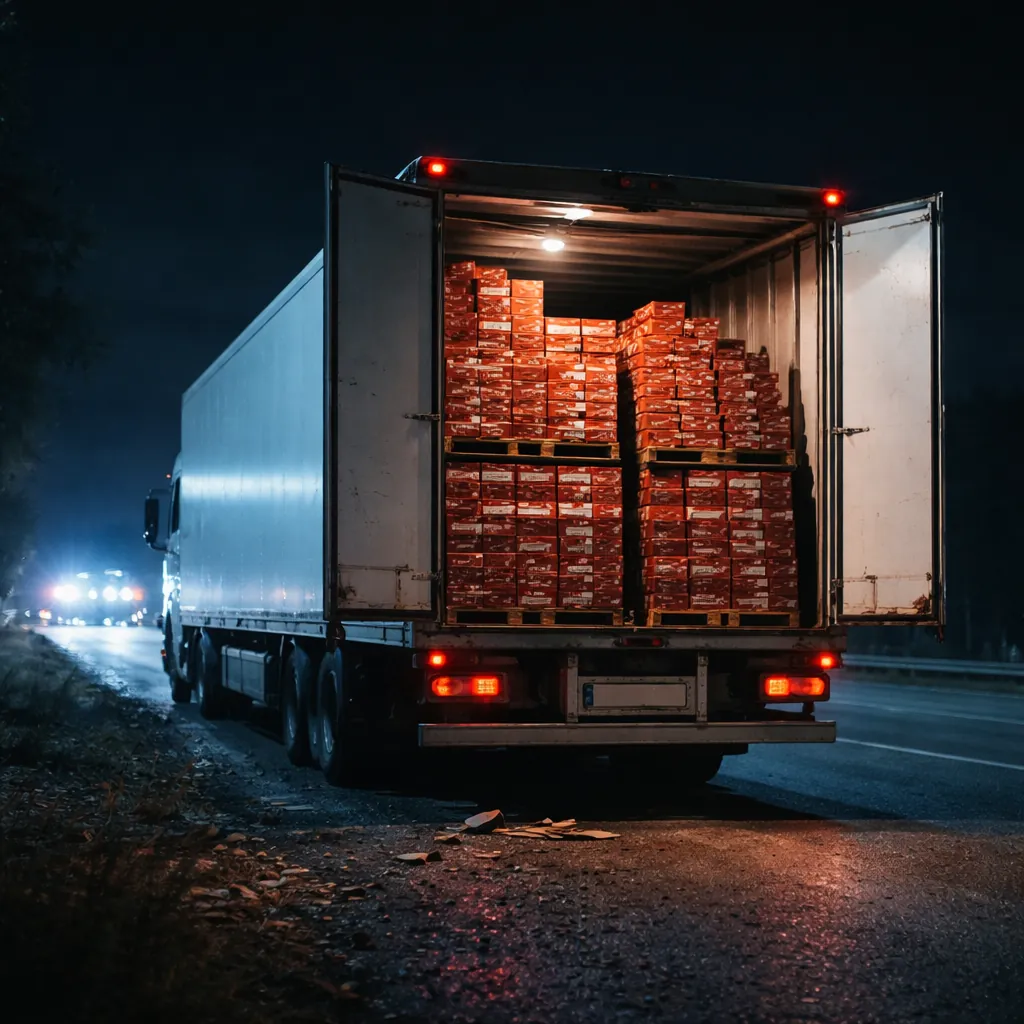
A massive chocolate shipment worth hundreds of thousands of KitKat bars has disappeared in Europe, and the timing could not be worse. Nestlé confirmed that a truck carrying around 12 tons of KitKat chocolate — roughly 413,793 individual bars from a new product range — was stolen during transit, raising concerns of supply disruption just ahead of the Easter buying rush.
The truck had left a factory in central Italy and was en route to Poland when it vanished last week. According to the company, both the vehicle and its cargo remain unaccounted for. While the story has quickly gained attention for its unusual nature, the implications are far more serious than a headline-grabbing chocolate heist.
“We’ve always encouraged people to have a break with KitKat,” a Nestlé spokesperson said, referencing the brand’s famous slogan. “But it seems thieves have taken the message too literally and made a break with more than 12 tons of our chocolate.”
The company added that investigations are ongoing in close coordination with local authorities and logistics partners across Europe. At this stage, there is no confirmed location of the stolen goods, and officials have not disclosed how the truck was intercepted or diverted during its journey.
Easter demand meets sudden supply shock
The timing of the theft has raised immediate concerns across the retail and distribution network. Easter is one of the busiest seasons for chocolate sales in Europe, with supermarkets and retailers relying on steady supply to meet a predictable surge in demand. A shipment of this size — particularly tied to a new product line — would normally play a role in keeping shelves stocked during peak shopping weeks.
Nestlé has warned that the missing stock could lead to temporary shortages in some markets, meaning consumers may struggle to find certain KitKat products in stores ahead of the holiday. While the company has not confirmed the exact financial value of the stolen shipment, the scale alone suggests a significant operational setback.
The bigger concern, however, is not just what is missing, but where it might reappear. Nestlé said the stolen KitKat bars could enter “unofficial sales channels” across European markets. That raises the possibility of the products being sold through unauthorized distributors, grey markets, or informal retail networks, potentially at discounted prices.
To counter that risk, the company highlighted that each product carries a unique batch code. These codes allow retailers, distributors, and authorities to trace the origin of the goods. If a suspicious batch is identified, the system can trigger instructions to alert Nestlé, helping the company track and verify whether the items are part of the stolen shipment.
This traceability could play a key role in limiting the spread of stolen inventory, but it does not guarantee recovery. Once goods enter fragmented resale channels, tracking them becomes more complex, especially when products are quickly redistributed across borders.
More than a theft, a supply chain warning
While the case stands out because of its scale and the brand involved, cargo theft itself is not uncommon across Europe. Food and beverage shipments are often targeted because they are relatively easy to move and resell. Unlike specialized equipment or regulated goods, chocolate products require no complex handling and can be split into smaller quantities for quick resale.
This incident highlights how vulnerable even large, well-managed supply chains can be during transit. From factory dispatch to cross-border delivery, each stage depends on secure logistics. A single breach — especially involving a full truckload — can disrupt distribution plans across multiple regions.
For Nestlé, the immediate focus will be on minimizing disruption. That could involve redirecting alternative inventory, accelerating production cycles, or adjusting regional supply allocations. However, with Easter demand already building, there is limited time to fully compensate for the loss.
The reputational angle also matters. If stolen KitKat bars begin appearing in unofficial markets, the company faces a dual challenge — protecting consumers from potentially mishandled products and maintaining brand trust. Even if the chocolate itself is safe, the lack of controlled distribution raises questions about storage conditions and authenticity.
For consumers, the impact may first be felt in subtle ways — fewer promotional offers, limited availability of newer variants, or delayed restocking in certain locations. In high-demand periods, even a small gap in supply can quickly become noticeable on store shelves.
At a broader level, the incident serves as a reminder that behind everyday products lies a complex network of logistics, timing, and coordination. A chocolate bar may seem simple, but getting it from a factory in Italy to a store in another country involves multiple checkpoints, partners, and risks along the way.
For now, authorities continue to search for the missing truck, while Nestlé works to contain the fallout. Whether the shipment is recovered or not, the effects of this 12-ton heist are already being felt — not just in headlines, but across Europe’s chocolate supply chain at one of the most critical moments of the year.
Readers can follow the original report via CBS News.

Make Swikblog your go-to source on Google for reliable updates, smart insights, and daily trends.