
Tribute • Television
By Swikblog Desk • Published: Dec. 17, 2025
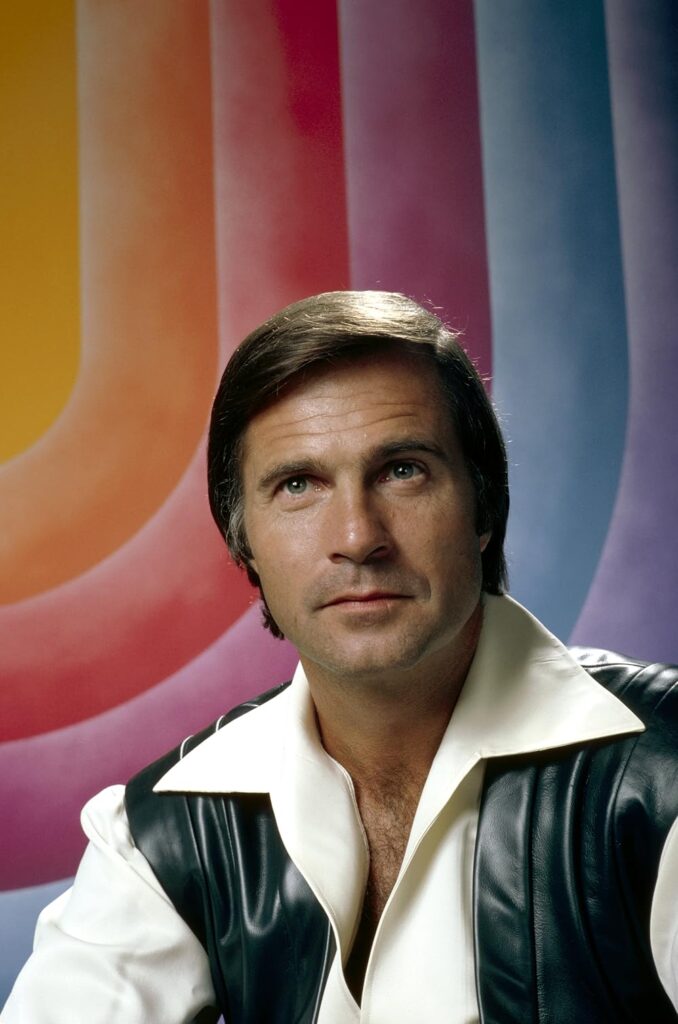
Gil Gerard, best known for leading Buck Rogers in the 25th Century, has died at 82 — news that has landed with a particular kind of quiet sadness. Not the shock of a sudden disappearance, but the sense that a familiar face has stepped out of the frame: someone who helped make television feel like company.
What his family shared: Gerard’s wife, Janet, confirmed his death in a post that described a fight with a “rare and viciously aggressive” form of cancer. Public tributes quickly followed, especially from viewers who grew up with the show’s bright, space-age tone and its distinctly late-’70s confidence.
What people are holding onto: the smile that arrived before the punchline, the steady gaze that sold the drama, and the sense that his heroism was never about perfection — it was about showing up.
Gerard’s Buck Rogers wasn’t a distant icon carved from marble. He was approachable. He could be brave and baffled in the same scene, charming without trying too hard, and funny without turning everything into a joke. That balance mattered, especially in a series built on bright concepts: a man displaced into another time, waking into a world of unfamiliar technology, unfamiliar politics, and unfamiliar danger.
It’s easy to forget how much of television’s magic is simply a person you trust at the centre of the story. The sets can be bold, the music can soar, the premise can be wild — but if the lead doesn’t feel like someone you can follow, the spell breaks. Gerard held that spell. He brought a grounded energy to the fantastical, the kind of performance that tells the viewer: you don’t need a manual for this universe; just watch closely and you’ll find your footing.
That is why tributes often sound intensely personal. People aren’t only naming a show — they’re naming an era of their lives: evenings on the sofa, channel-hopping, the excitement of a familiar theme tune, the comfort of stories that promised adventure without asking you to harden yourself to watch them. For many, Buck Rogers was less a “classic” than a companion, and Gerard’s presence was the reason the companionship felt real.
Beyond that signature role, Gerard’s career moved across television in a way that was common for working actors of his generation — dramas, guest spots, projects that came and went. But even when a series ends, a screen performance doesn’t. It keeps reappearing: in reruns, clips, old interviews, fan conventions, and the strange time-travel of memory, where a single expression can drop you back into the mood of a whole decade.
There is also something moving about how his most famous character was, in a sense, about second chances: waking into a new life and learning to navigate it. The best genre television isn’t only about spaceships and distant futures. It’s about resilience, about humour under pressure, about staying decent in unfamiliar circumstances. Gerard’s Buck Rogers made that decency feel cool — not corny — and that’s a rare trick.
After the news broke, messages from fellow fans shared a common rhythm: a line of disbelief, then a line of gratitude. “Thank you for the adventures.” “You were part of my childhood.” “You made me laugh.” It’s a reminder that fame is not only about headlines. Sometimes it’s about being present for people you’ll never meet, and leaving them with a feeling they can still name decades later.
For readers who want to see additional reporting and the family statement as shared publicly, coverage can be found via Variety and The Hollywood Reporter.
Gil Gerard’s legacy isn’t only the character he played. It’s the tone he helped create: adventurous but not cynical, confident but not cruel, heroic but never cold. In a media world that can feel increasingly loud, that kind of presence is worth pausing for. A familiar face, a steady centre, a reminder that the future can be imagined with warmth.
You may also like
More entertainment tributes and culture stories on Swikblog

Make Swikblog your go-to source on Google for reliable updates, smart insights, and daily trends.