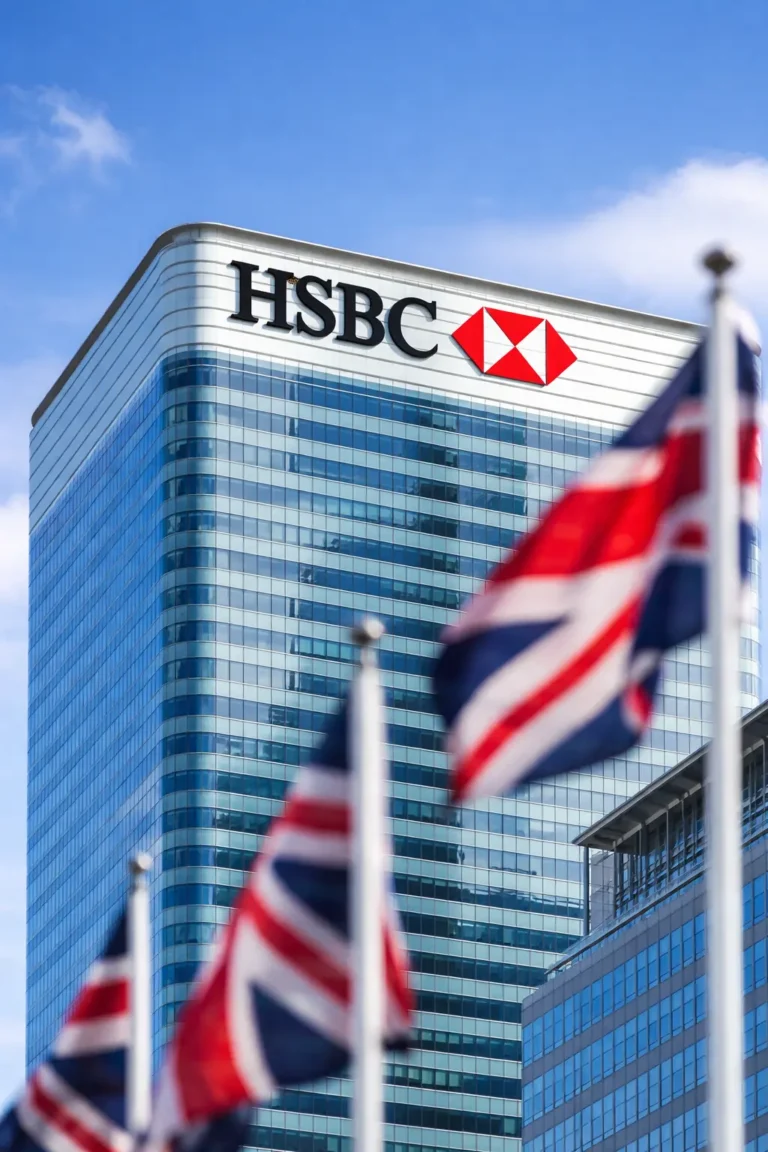

HSBC Holdings (LSE: HSBA) is back in focus today as its share price gains 1.34% to £12.23, following news that the bank is set to become one of the first licensed stablecoin issuers in Hong Kong. The move, alongside Standard Chartered, places HSBC at the centre of a major shift where traditional banking meets regulated digital currencies in Asia.
While the immediate price reaction is modest, the strategic implications are far bigger. Investors are now looking beyond short-term fluctuations and focusing on how this development could reshape HSBC’s role in payments, trade finance, and wealth management across Greater China.
HSBC Share Price Performance: Strong Long-Term, Mixed Short-Term
HSBC has delivered impressive long-term returns, rising 285.1% over the past five years and 170.9% over three years. Over the past year alone, the stock has climbed 41.9%, reflecting strong momentum driven by higher interest rates and Asia-led growth.
However, recent performance has been softer. The stock declined 5.7% over the past seven days and 2.5% over the last 30 days, while year-to-date gains stand at just 1.3%. Today’s 1.34% rise suggests investors are responding positively to fresh strategic developments rather than purely financial results.
Stablecoin Licence: Why This Matters
HSBC’s entry into Hong Kong’s regulated stablecoin framework represents a major step in bridging traditional banking with digital asset infrastructure. Stablecoins are digital tokens typically pegged to fiat currencies, designed to offer price stability while enabling faster and more efficient transactions.
By becoming one of the first licensed issuers, HSBC gains early access to a regulated ecosystem that could influence how digital money is used in real-world financial systems. This is particularly important in Hong Kong, which is positioning itself as a leading hub for compliant digital finance in Asia.
More details about HSBC’s broader strategy can be found on the HSBC investor page.
How This Fits HSBC’s Asia Growth Narrative
The move aligns closely with HSBC’s long-standing focus on Asia, especially Greater China. The bank has been expanding its presence in wealth management, cross-border trade, and transaction banking — all areas where a stablecoin could add efficiency.
A bank-issued stablecoin could support faster corporate payments, reduce settlement times, and enhance liquidity management across borders. For HSBC, which already facilitates large volumes of international trade flows, this could strengthen its competitive position.
In addition, the development connects HSBC’s traditional banking services with emerging digital infrastructure, potentially opening new use cases in treasury services, institutional trading, and wealth products.
Funding Activity and Capital Strategy Still Key
This stablecoin push comes at a time when HSBC continues to actively manage its capital structure. The bank has recently issued multi-billion US dollar debt and perpetual securities, highlighting its reliance on wholesale markets to support funding needs.
The combination of traditional funding strategies and new digital initiatives shows HSBC is balancing stability with innovation. However, investors will want clarity on how these digital investments translate into returns.
Risks Investors Should Not Ignore
Despite the optimism, entering the stablecoin space introduces new risks. Technology and cybersecurity threats are a major concern, as any issue with a HSBC-backed digital token could impact trust in the broader brand.
Regulatory uncertainty is another factor. If Hong Kong’s framework evolves in a way that favours fintech firms over traditional banks, HSBC may face challenges in capturing meaningful market share.
There is also execution risk. If stablecoins remain a niche product with limited adoption, the return on investment could fall short of expectations.
Opportunities From First-Mover Advantage
On the positive side, being part of the first wave of licensed issuers gives HSBC a chance to shape the market. Early participation could help the bank attract institutional clients looking for regulated, bank-backed digital payment solutions.
A successful rollout could complement HSBC’s existing strengths in cross-border banking and wealth management, particularly in Asia where demand for efficient financial infrastructure continues to grow.
Hong Kong’s regulatory direction can be tracked via the Hong Kong Monetary Authority, which is playing a key role in shaping the stablecoin framework.
What Investors Should Watch Next
Going forward, the focus will be on how HSBC plans to use its stablecoin. Key areas to watch include corporate payments, trade settlement, and integration into wealth management products.
Investors should also monitor adoption metrics such as transaction volumes and client usage, as well as management commentary on technology spending, regulatory capital treatment, and risk controls.
Comparisons with peers like Standard Chartered and DBS will be crucial in determining whether HSBC is leading innovation or simply keeping pace with industry trends.
Market Reaction Reflects Strategic Shift
Today’s share price gain to £12.23 (+1.34%) reflects early optimism around HSBC’s digital expansion. While the move is still in its early stages, it adds a new dimension to the bank’s investment narrative.
HSBC is no longer just a traditional bank focused on Asia — it is increasingly positioning itself as a player in the future of regulated digital finance. Whether this translates into sustained growth will depend on execution, adoption, and how effectively the bank integrates stablecoins into its broader business model.
You may like: TotalEnergies Stock Today: €74.48, Up 2.87% as Price Target Outlook Faces Climate Case Risk

Make Swikblog your go-to source on Google for reliable updates, smart insights, and daily trends.