
By Sangeeta
Colgate-Palmolive must face lawsuits in the United States over claims that its children’s mouth rinse products are marketed in a way that could mislead parents about their safety, a federal judge has ruled.
The decision, delivered on March 27 by U.S. District Judge Andrea Wood in Chicago, allows two proposed class-action lawsuits to move forward. The cases focus on whether Colgate’s packaging gives the impression that fluoride mouth rinses are safe for children under the age of six, despite longstanding health guidance advising against such use.
The ruling marks a significant development for one of the world’s largest oral care companies, and highlights growing legal scrutiny around how everyday health products are presented to consumers—especially when children are involved.
Packaging and safety concerns under scrutiny
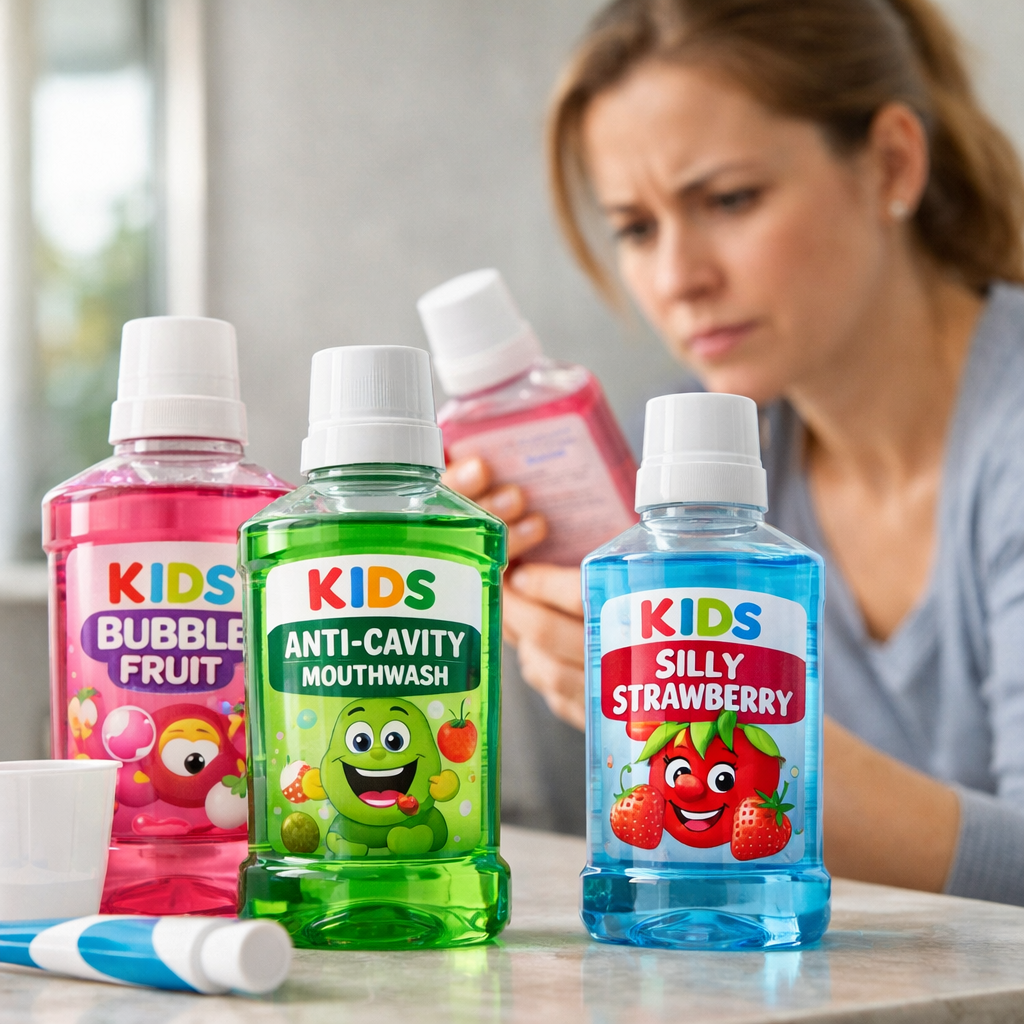
Consumers behind the lawsuits argue that Colgate’s branding strategy may create confusion among parents. The products are often packaged with bright colors, playful imagery and flavors such as “Bubble Fruit” and “Silly Strawberry,” alongside labels prominently featuring words like “kids” or “children’s.”
According to the complaints, this presentation could lead reasonable consumers to assume the products are safe for all children, including those under six, even though health authorities warn that younger children should not use fluoride mouth rinses.
Fluoride, while effective in preventing tooth decay, can be harmful if swallowed in significant amounts. Young children are more likely to ingest mouth rinse rather than spit it out, making age-specific guidance particularly important.
The plaintiffs also said the packaging may imply that children can use these products in the same way as older users, without clearly emphasizing the limitations or risks.
Court rejects argument on label warnings
Colgate had argued that consumers would understand mouth rinses are over-the-counter drugs and would therefore read the detailed warnings printed on the back labels, which include U.S. Food and Drug Administration guidance.
Judge Wood was not persuaded. In her ruling, she said it was plausible that reasonable consumers might rely more on front-facing packaging cues than on detailed instructions or warnings printed elsewhere.
She also noted that consumers might not know where to draw the line regarding appropriate use of mouth rinses, particularly when the products are clearly marketed toward children.
The use of terms such as “kids” could, in some cases, overshadow safety warnings and create ambiguity, the court suggested. On that basis, the judge concluded that the claims deserved to proceed for further examination.
Toothpaste claims dismissed
In contrast, the judge dismissed a similar lawsuit concerning Colgate’s toothpaste products.
The court found that toothpaste packaging provided sufficiently clear instructions, including guidance that children between the ages of two and six should use only a “pea-sized” amount. This level of detail was considered adequate to inform consumers about proper usage.
The judge also addressed imagery on toothpaste packaging, such as depictions of a toothbrush with a full strip of toothpaste. She concluded that such images represent the act of brushing rather than serving as instructions on how much toothpaste children should use.
As a result, the toothpaste-related claims were not allowed to proceed.
Broader industry implications
The case against Colgate comes amid a wider wave of legal challenges targeting the marketing of children’s fluoride products.
Companies including Procter & Gamble, which makes Crest, as well as Perrigo and Sanofi, have also faced lawsuits over similar concerns. Regulators have increasingly focused on whether packaging and branding accurately reflect safety guidelines.
Colgate itself had already agreed in September 2025 to introduce updated packaging for several of its toothpaste brands, including Colgate, Tom’s of Maine and hello, following an investigation by Texas Attorney General Ken Paxton. Procter & Gamble reached a similar resolution earlier this year.
Legal experts say the latest ruling could reinforce a broader trend in which courts show greater willingness to consider claims of deceptive or unclear labeling, particularly when products are marketed to families.
Health guidance remains unchanged
Health authorities continue to emphasize that children under six should not use fluoride mouth rinses. For toothpaste, children aged two to six are advised to use only small amounts under supervision.
Guidance from organizations such as the American Dental Association underscores the importance of age-appropriate use and parental oversight to reduce the risk of accidental ingestion.
The distinction between toothpaste and mouth rinse—central to the court’s ruling—reflects differences in how these products are typically used and the level of risk associated with misuse.
Company response and next steps
Colgate, headquartered in New York, did not immediately respond to requests for comment following the ruling.
Lawyers representing the plaintiffs said the decision could encourage manufacturers to revisit how they present fluoride products for children. They argued that clearer communication is essential to ensure safe usage and prevent misunderstandings among consumers.
The lawsuits will now move forward, where the claims will be tested in greater detail. The outcome could influence not only Colgate’s product strategy but also broader industry standards for labeling and marketing children’s health products.

Make Swikblog your go-to source on Google for reliable updates, smart insights, and daily trends.