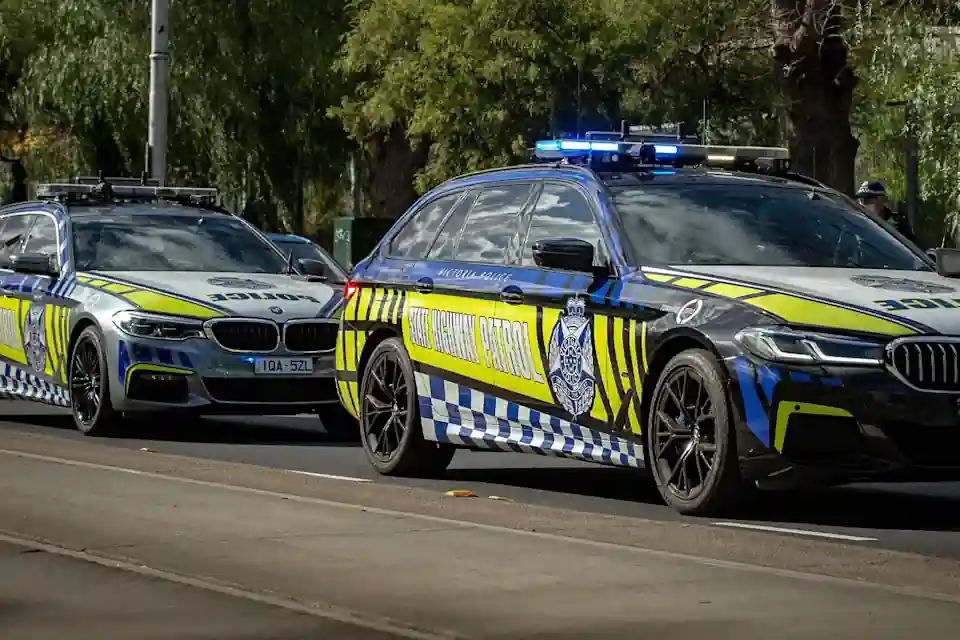

Victoria has taken an unusual but attention-grabbing step to tackle rising living costs, announcing that all public transport across the state will be completely free for 30 days. The move comes at a time when petrol prices have been climbing sharply, putting pressure on household budgets and forcing many commuters to rethink their daily travel expenses.
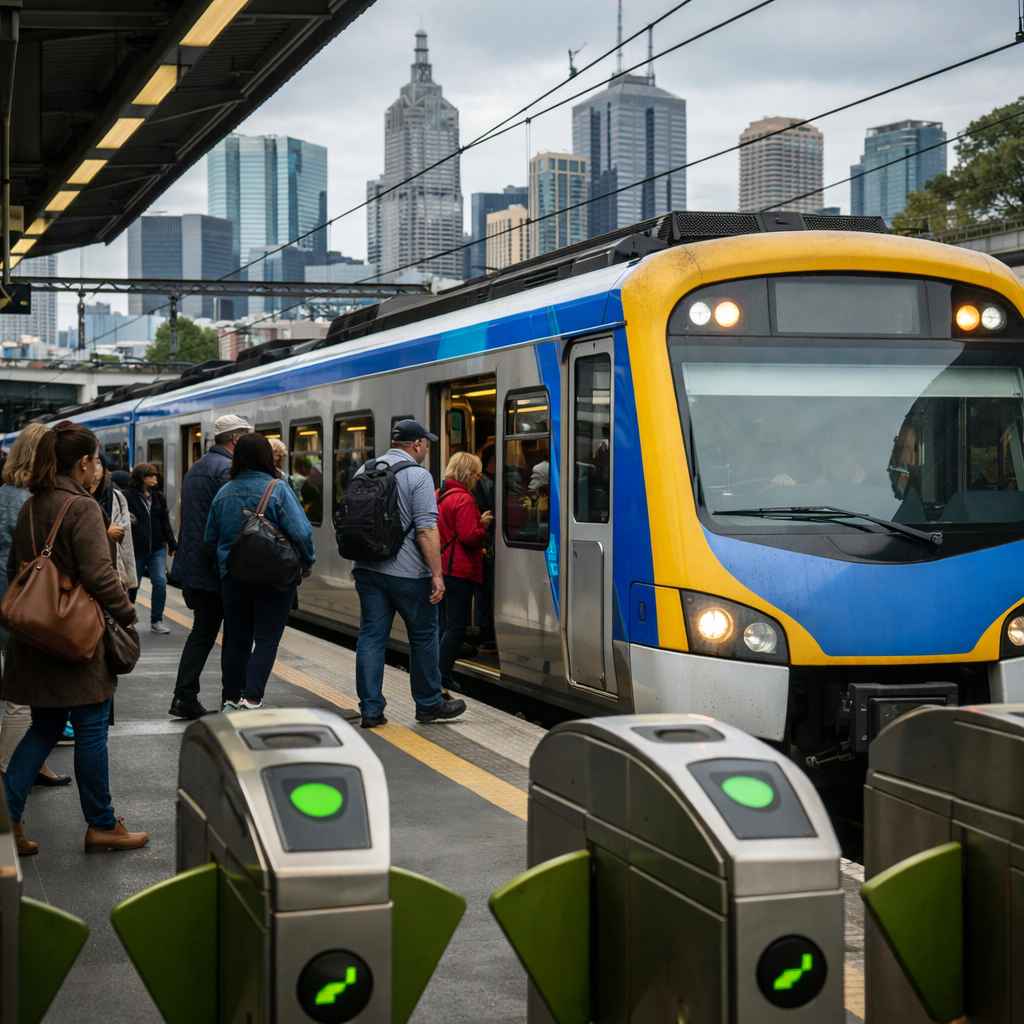
From March 31 through April 30, Victorians can hop on trains, trams, buses, and even regional V/Line services without paying a single cent. Ticket barriers will remain open, and commuters won’t need to tap their Myki cards. Even if someone does tap on out of habit, the system has been adjusted to ensure no charges are applied.
Why Victoria Made Public Transport Free
The timing of this decision is no coincidence. Fuel prices have surged globally due to supply disruptions, particularly linked to geopolitical tensions in the Middle East. As oil prices rise, the impact trickles down quickly—higher petrol costs, increased transport expenses, and ultimately more expensive everyday goods.
According to recent reports from ABC News, the Victorian government sees this temporary measure as a practical way to offer immediate relief. Premier Jacinta Allan described it as a step that can “take pressure off the petrol pump,” even if it doesn’t solve the broader cost-of-living challenge.
The government estimates the initiative will cost around $70 million in lost fare revenue. While that’s a significant figure, the idea is simple: if people spend less on transport, they have more room in their budgets for essentials like groceries, rent, and utilities.
How Much Can Commuters Actually Save
For regular commuters, the savings could be meaningful. Monthly public transport costs in Melbourne can easily run into hundreds of dollars, especially for families. Some estimates suggest households could save up to $500 during the free travel period.
For someone commuting daily by train or tram, the benefit is immediate and visible. Instead of topping up a Myki card every week, that expense disappears for an entire month. For families with multiple working members or students, the combined savings can be substantial.
There’s also a secondary benefit that’s harder to measure but just as important: reduced reliance on cars. With petrol prices high, many drivers may choose to switch to public transport temporarily, easing congestion and potentially lowering overall fuel demand.
Global fuel trends tracked by sources like International Energy Agency (IEA) show that supply shocks can push prices higher for extended periods, which makes short-term relief measures like this more relevant.
What Changes for Daily Travelers
For most commuters, the experience will feel almost the same—except for one key difference: no fares. Trains will run as usual, trams will follow their routes, and buses will operate on their existing schedules.
However, there are a few practical details to keep in mind. While ticket barriers will remain open, V/Line coach users are still required to book their seats as usual. The travel itself is free, but booking helps manage demand and avoid overcrowding.
Another important point is for those who have already paid for long-term Myki passes. These users will need to contact Transport Victoria to pause their passes or request refunds for the free travel period. It’s not automatic, so a bit of admin is required to fully benefit.
Interestingly, the government has also paused its trial of tap-and-go payment systems using bank cards during April. The focus, for now, is entirely on making travel as simple and accessible as possible.
Will This Actually Reduce Cost of Living Pressure
That’s the bigger question. While free public transport is a welcome relief, it’s clearly not a permanent fix. Housing costs, food prices, and energy bills remain high, and a one-month initiative can only go so far.
Still, it sends a strong signal. Governments can intervene quickly when external shocks—like rising fuel prices—start affecting everyday life. It also highlights how transport costs are a key part of household budgets, often underestimated until prices spike.
There’s also a behavioral angle. If more people get used to using public transport during this free period, some may continue even after fares return. That could lead to longer-term shifts in commuting patterns, reduced traffic congestion, and even environmental benefits.
For now, though, the focus remains on April. A month where commuting becomes just a little easier, a little cheaper, and for many, a welcome break from rising expenses.

Make Swikblog your go-to source on Google for reliable updates, smart insights, and daily trends.