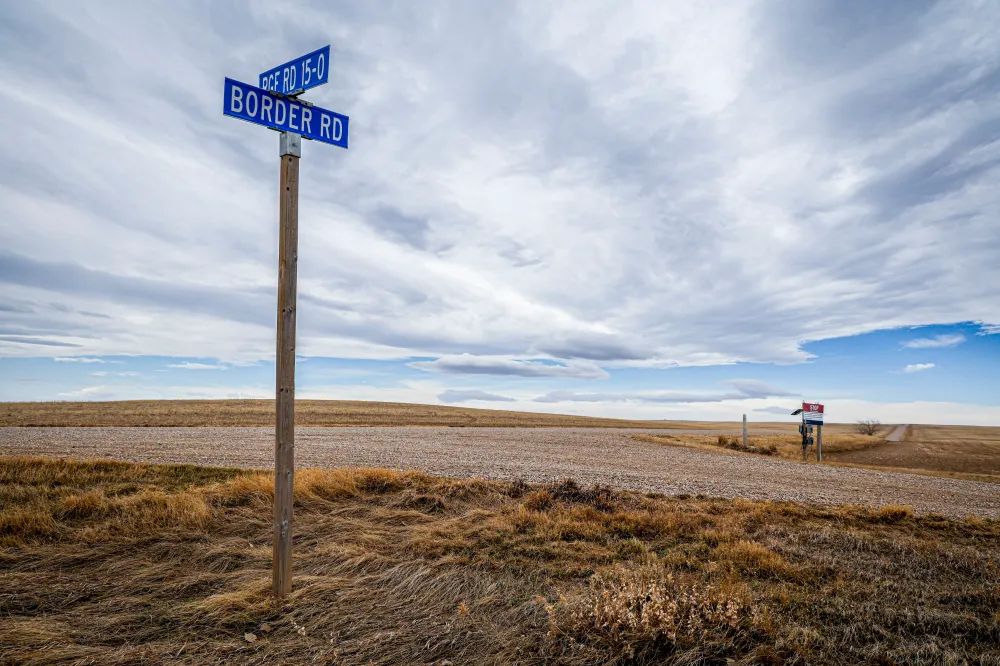

A decades-old tradition of easy cross-border travel is coming to an end along the Alberta–Montana boundary as U.S. authorities prepare to close the historic Border Road to Canadian traffic later this summer. The decision affects a 14-kilometre gravel road near Coutts, Alberta, that has linked neighboring communities for generations despite being located on U.S. territory.
For many families living near the border, the road has never been just a shortcut. Alberta has maintained the roadway for decades while farmers, ranchers, and local residents on both sides used it for everyday travel, reflecting the close relationship between the neighboring communities. That arrangement is now ending as stricter border enforcement takes effect.
Read More
Why the Border Road is being closed
U.S. officials say the closure is part of broader efforts to strengthen security along rural stretches of the Canada–U.S. border. The policy is intended to reduce opportunities for cross-border drug trafficking and unauthorized migration by limiting Canadian access to infrastructure located on American soil.
While the explanation reflects changing border enforcement priorities, many residents say the measures do not match the reality of daily life in this quiet agricultural region. People who have lived near the border for decades describe the area as one built on cooperation rather than conflict.
Ross Ford, a farmer who lives near Coutts, says the road has always represented a connection between neighbors instead of a dividing line. Families on both sides have shared friendships, farming relationships, and community ties for generations.
Communities prepare for a very different border
The change will affect residents in both Alberta and Montana. Roger Horgus, who lives south of the border near Sweet Grass, says people regularly crossed the area to visit friends, ride horses, and spend time together while growing up. He believes the closure will make everyday life less convenient without changing the strong relationships that already exist.
The landscape itself will also look different. Instead of one shared gravel road, separate roads will run parallel on each side of the international boundary, with the border marked more clearly than before. Residents say the transformation is symbolic as well as practical, replacing an open shared route with two distinct transportation corridors.
Temporary road restrictions are common during major public events, such as the Hannover Schützenfest parade road closures, but the Border Road changes are expected to permanently reshape daily travel for nearby communities.
Alberta invests in a replacement road
To maintain access for Canadian residents, the Alberta government has committed $8 million to build a new road entirely on the Canadian side of the border. Construction is expected to begin in April and finish before the U.S. restrictions are fully implemented during the summer.
The replacement route will allow local travel to continue without relying on a roadway inside the United States. Even so, residents acknowledge that new infrastructure cannot replace the convenience and sense of community created by decades of unrestricted local access.
Planning for alternative traffic routes is a familiar challenge for transportation officials, whether supporting rural communities or coordinating large-scale events like the Manitoba Marathon road closures in Winnipeg. In this case, however, the changes are expected to remain in place long after construction is complete.
A changing approach to border management
The closure reflects a broader shift toward security-focused border management across North America. According to the U.S. Department of Homeland Security, stronger enforcement is intended to address vulnerabilities along rural sections of the international border.
For the people who live near Coutts and Sweet Grass, however, the issue extends beyond border policy. It marks the end of a unique arrangement that allowed neighboring communities to interact with little thought about the international boundary.
Families, farms, and friendships will continue on both sides of the border, but daily routines are about to become more complicated. A road that once reflected cooperation between Canada and the United States is set to become a visible reminder of changing border priorities.

Make Swikblog your go-to source on Google for reliable updates, smart insights, and daily trends.