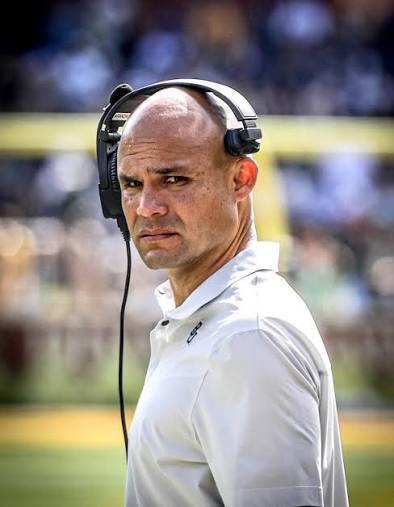

Brad Treliving’s time in Toronto has come to an abrupt end, and while the move felt inevitable to many watching the Maple Leafs stumble through March, the timing still hit like a jolt. Late Monday night, with the team on the brink of elimination and a road game looming, the organization made its call: a new direction, effective immediately.
The reaction across the NHL was instant and loud. “Wowza,” one headline read, capturing the mix of shock and resignation that surrounded the decision. In Toronto, where expectations are never modest, the firing of Brad Treliving wasn’t just another management change. It was the clearest sign yet that this season had crossed from disappointing into unacceptable.
The numbers tell part of the story. The Maple Leafs sit near the bottom of the Atlantic Division, carrying a 31-30-13 record into the final stretch. They are well outside the playoff picture, trailing the final wild-card spot by a wide margin. For a team that hadn’t missed the post-season since 2016, that alone was enough to raise alarms inside the organization.
But the context makes it worse. March became a breaking point. Injuries piled up, including a devastating blow when captain Auston Matthews was ruled out for the season with a knee injury. Consistency vanished. The Leafs, once expected to contend, pivoted into sellers at the trade deadline — a move that effectively signaled the front office had already begun shifting its outlook.
By the time the team prepared to face the Anaheim Ducks on a four-game road trip, the writing was on the wall.
A season that slipped away quickly
When Brad Treliving took over as general manager in May 2023, replacing Kyle Dubas, he was brought in to steady the ship and push a talented roster further in the playoffs. His track record in Calgary suggested experience and resilience, and early on, there were signs that Toronto might finally break its cycle.
The Leafs did manage a playoff series win under his leadership, beating the Ottawa Senators last season and reaching the second round for only the second time in nearly a decade. That alone gave hope that the core group could still deliver something more meaningful.
But that progress didn’t carry forward.
This season turned into a regression that the organization couldn’t ignore. The team struggled to string together consistent performances, and key roster decisions came under scrutiny. One of the biggest blows came in the summer of 2025, when Mitch Marner left in free agency to join the Vegas Golden Knights after contract talks failed. Losing a star winger without a long-term solution left a visible gap in the lineup.
Over three seasons, Treliving compiled a 139-92-27 record with Toronto, along with a 10-10 mark in the playoffs. On paper, it’s not a disastrous résumé. But in Toronto, results are judged differently. It’s not just about wins and losses — it’s about direction, momentum, and whether the team looks closer to a Stanley Cup than it did before.
This year, it clearly didn’t.
Maple Leaf Sports and Entertainment president and CEO Keith Pelley made that point in a carefully worded statement, emphasizing that the decision came after “deep analysis” of both the team’s current state and its future path. The respect for Treliving was clear, but so was the conclusion: the club needed new leadership to move forward.
Why the timing raised eyebrows
Even if the decision itself wasn’t shocking, the timing added another layer to the story. Firing a general manager late in the season, hours before a game, is rarely a quiet move. It sends a message not just internally, but across the league.
And it wasn’t happening in isolation. Just one day earlier, the Vegas Golden Knights had fired head coach Bruce Cassidy, another high-profile change that signaled how quickly expectations can turn into consequences in today’s NHL.
Still, Toronto’s situation felt different. This wasn’t about a sudden collapse out of nowhere. It was a slow unraveling that had been building for weeks. By late March, conversations had shifted from playoff positioning to what kind of shake-up was coming — and how big it would be.
The answer, it turns out, started at the top of the hockey operations structure.
What comes next for the Maple Leafs
The focus now shifts to what happens after Brad Treliving. Because while firing a general manager creates headlines, it doesn’t fix the deeper issues that led to this point.
The Leafs still have talent. They still have pressure. And they still have a fan base that expects more than just making the playoffs. The next general manager will inherit a roster that needs direction and a market that has little patience left for long-term experiments.
There are immediate questions that will define the next phase. How does the team rebuild its depth after losing key pieces? What adjustments are needed to avoid another season of inconsistency? And perhaps most importantly, what changes — if any — are coming to the core of the roster?
This firing also suggests that more moves could follow. When an organization reaches this point, it rarely stops with one decision. Front-office changes often lead to roster evaluations, coaching discussions, and a broader reset in philosophy.
For now, though, the spotlight remains on the decision that triggered it all.
Brad Treliving’s tenure in Toronto ends not with a dramatic playoff run, but with a season that slipped too far, too fast. In a different market, he might have been given more time to correct course. In Toronto, time runs out quickly when expectations aren’t met.
The reaction — the “wowza” moment — reflects more than just surprise. It reflects the weight of another season that didn’t live up to what this team, and this city, believe it should be.
And now, once again, the Maple Leafs are searching for answers.
For more detailed reaction and coverage, visit Sportsnet’s full report.
You may also like American Express Becomes NFL Payments Partner, Replacing Visa in 2026.

Make Swikblog your go-to source on Google for reliable updates, smart insights, and daily trends.