
Drivers are being put on alert as a seasonal parking rule returns from April 1 — and ignoring it could quickly turn into a costly mistake. With street sweeping season restarting in Denver, Colorado, motorists who park in the wrong place at the wrong time could face an instant $50 fine, with total costs climbing well beyond $300 in some cases.
The rule itself is not new, but its return catches many drivers off guard every year. After months of winter where sweeping is limited or paused, cities switch back to active cleaning schedules in spring. That means stricter enforcement, more ticketing, and in certain areas, towing.
For drivers who are not paying attention to updated parking signs, the consequences can be immediate.
$50 fine — and much more in tow-away zones
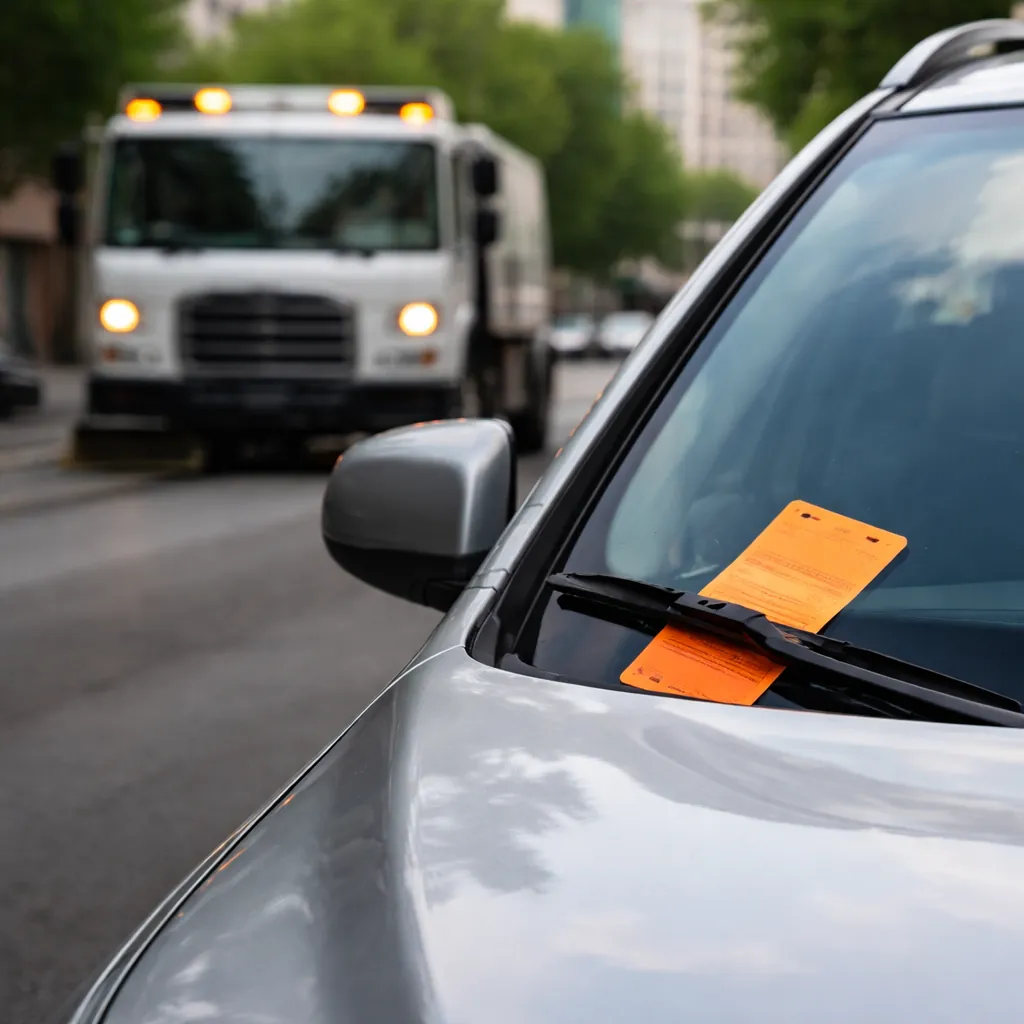
Starting April 1, Denver’s street sweeping program will be fully active again. During designated cleaning times, parking on certain streets is not allowed, and enforcement officers do not usually give warnings. Instead, drivers can expect a $50 parking ticket if their vehicle is found in violation.
But the bigger financial risk comes in tow-away zones. If a vehicle is parked in one of these restricted areas during sweeping hours, it may be removed entirely. Once that happens, the cost rises sharply.
According to statewide rates set by the Colorado Public Utilities Commission, drivers will have to pay at least $286.15 in towing fees to recover their vehicle. When combined with fines and other potential charges, the total can easily exceed $300.
In other words, what seems like a small parking mistake can quickly turn into a major expense.
Why drivers get caught out every year
One of the main reasons this rule leads to so many fines is timing. During winter, drivers often develop habits around where they park, especially in residential neighborhoods. When spring arrives and sweeping resumes, those same habits suddenly become risky.
Many people simply forget that enforcement has restarted. Others assume the rules are the same across all streets, when in reality, schedules vary block by block. A driver might be safe on one side of the street but in violation just a few meters away.
Adding to the confusion, street signs can be easy to overlook or misread. Some list specific weekdays, time windows, or seasonal restrictions, and missing even one detail can result in a ticket.
That is why officials stress that drivers should not rely on memory alone once April begins.
How to check your street sweeping schedule
To help residents avoid fines, Denver provides an online system where drivers can check the exact sweeping schedule for their area. By creating an account through the city’s services platform, users can look up their street and see when restrictions apply.
More importantly, the system allows drivers to set up email or text reminders. These alerts can notify them ahead of scheduled sweeping times, giving enough notice to move their vehicle before enforcement begins.
Drivers can access these tools through the Denver city services website, which outlines schedules and local rules.
For anyone who regularly parks on the street, using these reminders could be the difference between avoiding a fine and paying hundreds of dollars.
A simple mistake that adds up quickly
What makes this rule particularly frustrating for drivers is how easy it is to slip up. A busy morning, a late-night parking decision, or simply forgetting the date can lead to penalties.
And unlike some parking violations, street sweeping enforcement is strict because it directly affects city maintenance. If vehicles block cleaning routes, entire sections of the street cannot be cleared of debris, which impacts drainage systems and overall road conditions.
That is why cities enforce these rules consistently once the season starts.
For drivers, though, the takeaway is straightforward: the cost of ignoring sweeping schedules is far higher than many expect. A $50 ticket may be the starting point, but towing fees, inconvenience, and lost time can quickly turn it into a much bigger problem.
Those who want to understand towing rules and fee structures in more detail can also review guidance from the Colorado Public Utilities Commission, which regulates nonconsensual towing rates across the state.
As April 1 approaches, the safest move is to double-check local signs, confirm your street’s schedule, and set reminders if needed. It takes only a few minutes — and it could save you more than $300.

Make Swikblog your go-to source on Google for reliable updates, smart insights, and daily trends.