
By Swikriti Dandotia
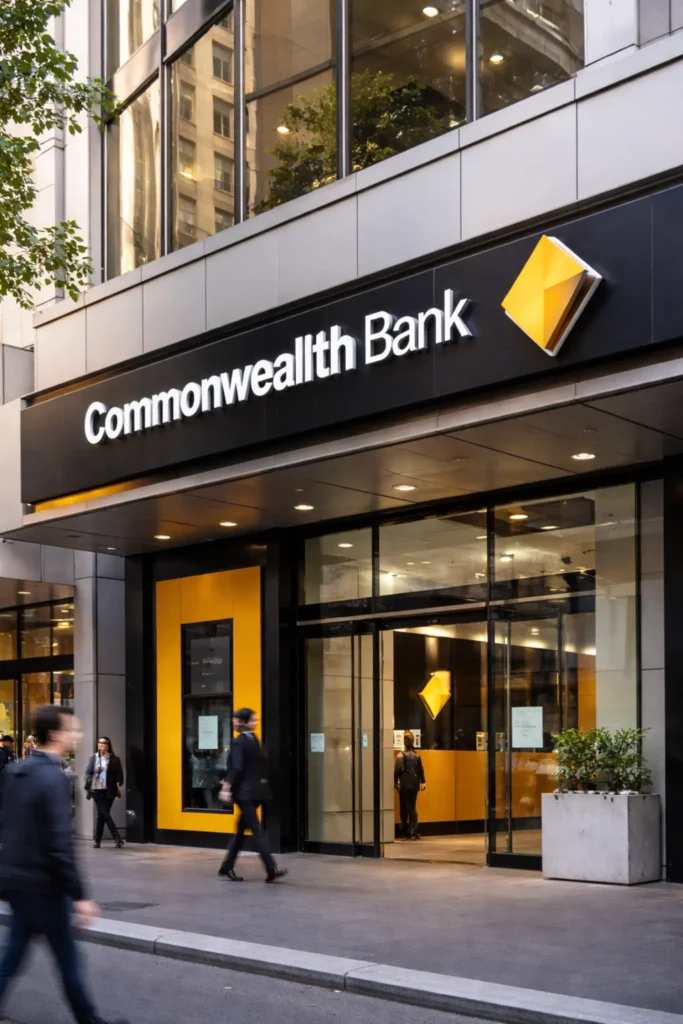
Commonwealth Bank shares rose to A$172.80 even as Australia’s housing market faced fresh pressure, with all four major lenders pushing fixed mortgage rates above the 6% mark. The latest round of increases, triggered after the Reserve Bank of Australia’s March rate decision, signals a turning point for borrowers—and possibly the end of any lingering hope for cheaper home loans in the near term.
Westpac became the last of the Big Four to move, lifting its fixed rates by up to 0.45 percentage points. That took its lowest advertised fixed rate to 6.14% for a two-year term. More importantly, the move effectively ends an era: major banks are no longer offering fixed rates starting with a “5”, a psychological threshold that had held for much of the recent cycle.
The shift is not limited to one lender. ANZ increased its fixed rates by up to 0.40 percentage points, less than three weeks after its previous hike. Commonwealth Bank raised rates by up to 0.30 percentage points, while NAB lifted its fixed rates by as much as 0.35 percentage points. Among the majors, NAB now offers the lowest fixed rate at 6.04% for a one-year term, though the cheapest rate available across the broader market is around 5.59%.
Beyond the Big Four, the trend is widespread. Lenders including Macquarie, Bendigo Bank, ING and Bank of Queensland have also moved to increase fixed rates. In total, more than 60 lenders have raised fixed mortgage rates since the RBA’s March meeting, underlining how quickly the lending environment is tightening.
Triple rate hike warning raises stakes for borrowers
What is amplifying concerns is Westpac’s forward outlook. The bank expects the RBA to lift interest rates again in May, June and August, which would take the official cash rate to 4.85%. If realised, that would push borrowing costs to their highest level since November 2008, during the global financial crisis.
Westpac chief economist Luci Ellis said the revised forecast reflects prolonged disruptions in fuel supply and a slower-than-expected recovery, along with the rapid flow-on of higher fuel and oil-related costs into everyday prices. In effect, inflation is proving more persistent, forcing policymakers to consider a more aggressive tightening path.
Other major banks are also expecting at least one more rate increase in May, reinforcing the idea that the current cycle is not yet over. However, economists caution that the outlook is not set in stone. If households and businesses cut spending too sharply, economic growth could stall, potentially pushing the RBA to change course.
For borrowers, though, the immediate reality is already difficult. All Big Four banks have passed on the RBA’s March rate hike in full to variable mortgage customers. Westpac now offers the lowest advertised variable rate among the majors at 5.74%, while the lowest variable rate available in the broader market sits near 5.50%.
These figures may seem incremental, but the impact on repayments can be significant—especially for households rolling off fixed loans taken during the ultra-low-rate period. The shift from sub-3% loans to rates above 6% represents one of the sharpest increases in borrowing costs in recent memory.
Despite the mounting pressure on households, bank stocks have shown resilience. CBA’s rise to A$172.80 reflects investor expectations that higher interest rates could support bank margins, at least in the short term. That creates a stark contrast in the market: lenders may benefit from rising rates, while borrowers face increasing financial strain.
The broader concern is how long this divergence can last. If mortgage stress begins to weigh heavily on consumer spending, it could eventually feed back into the economy and corporate earnings. For now, however, markets appear to be pricing in a scenario where inflation remains elevated and further tightening remains likely.
As the RBA navigates this delicate balance, borrowers are left bracing for what could be a prolonged period of higher repayments. For official updates and policy direction, readers can track developments via the Reserve Bank of Australia.
With fixed rates now firmly above 6%, a projected 4.85% cash rate, and more than 60 lenders already tightening, the message is becoming clearer: Australia’s mortgage landscape has shifted decisively, and the pressure on households is far from over.
You may also like: Calgary snowstorm triggers 200 crashes as 20cm of April snow hits the city.

Make Swikblog your go-to source on Google for reliable updates, smart insights, and daily trends.