
By Shivam | April 28, 2026
World Day for Safety and Health at Work 2026 is being marked on April 28 with a timely message for employers, workers and policymakers: workplace safety is no longer only about helmets, machines, chemicals or accident prevention. It is also about how people feel, function and cope inside the workplace every day.
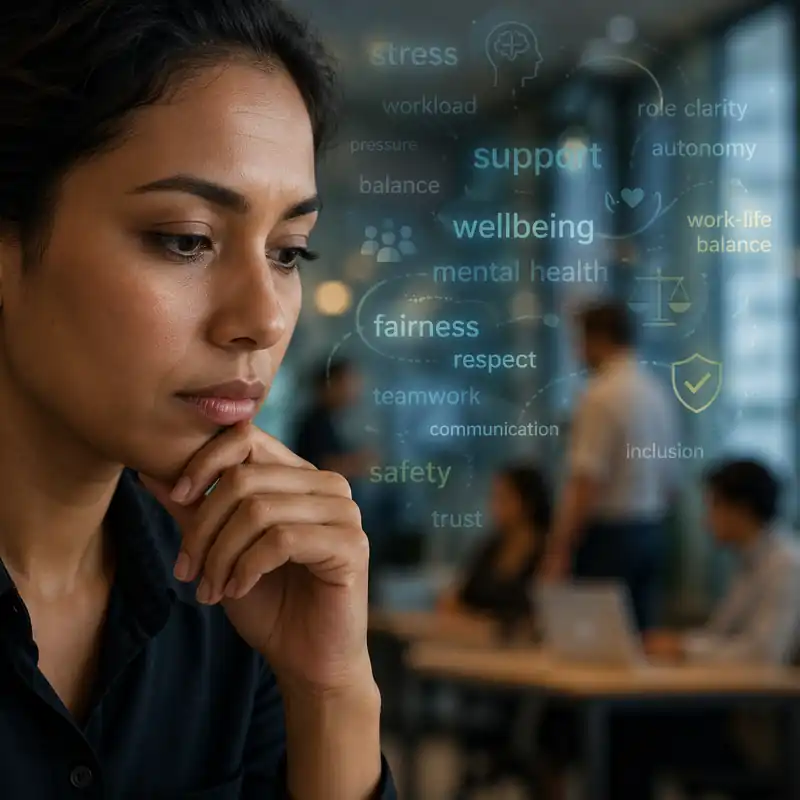
The 2026 focus puts psychosocial working environments at the centre of the global conversation. In simple terms, this means the way work is planned, managed, supervised and experienced by employees. A workplace may look safe on the outside, but if workers face constant pressure, unclear responsibilities, unfair treatment or lack of support, it can still become harmful.
This is why the International Labour Organization is using this year’s campaign to highlight the need for healthier work systems, stronger prevention policies and better organizational practices. The message is clear: protecting workers’ mental and social wellbeing is now a core part of occupational safety and health.
7 Key Workplace Changes You Should Know Today
1. Safety is being redefined beyond physical risks
For decades, workplace safety was mainly associated with visible hazards such as machinery injuries, fire risks, falls, toxic substances or unsafe equipment. These risks remain important, but the modern workplace has added another layer of concern: psychological and social pressure.
In 2026, safety discussions increasingly include stress, burnout, isolation, poor communication, bullying, harassment and unfair workloads. These issues may not always be visible, but they can affect health, performance and workplace stability over time.
2. Psychosocial risks are being treated as real workplace hazards
Psychosocial factors become dangerous when they are poorly managed. Heavy workloads, excessive working hours, lack of control over tasks, weak leadership, unclear job expectations and unfair decision-making can all become hazards.
The important change is that these risks are now being discussed alongside physical, chemical and biological hazards. That means employers are expected to identify, assess and manage them as part of a proper workplace safety system, not as personal problems for workers to handle alone.
3. Workload and working time are getting closer attention
One of the biggest sources of workplace stress is not always the job itself, but the volume and pace of work. Employees who face unrealistic targets, constant overtime or pressure to remain available outside working hours are more likely to experience exhaustion.
Companies are now being pushed to review how tasks are assigned, how deadlines are set and whether staffing levels are realistic. A healthier workplace is one where productivity does not depend on silent overwork.
4. Role clarity is becoming essential for employee wellbeing
Confusion at work can quickly become a source of stress. When employees do not know what is expected of them, who they report to or how success is measured, frustration grows.
Clear job roles, transparent goals and regular communication can reduce conflict and improve confidence. This is especially important in hybrid and digital workplaces, where employees may not always receive immediate guidance from managers or teams.
5. Fairness and transparency are now part of safety culture
A workplace can have strong safety rules and still feel unhealthy if employees believe decisions are unfair. Pay gaps, biased promotions, favoritism, poor grievance systems and unclear policies can damage trust.
Fair and transparent processes help employees feel respected. They also reduce conflict and improve cooperation between workers and management. In 2026, fairness is not just an HR issue; it is part of building a safer and healthier workplace culture.
6. Supportive leadership is becoming a business need
Managers play a major role in shaping everyday work experiences. A supportive leader can help employees manage pressure, resolve problems early and feel heard. Poor leadership, on the other hand, can turn normal workplace challenges into long-term stress.
More organizations are now training managers to communicate better, recognize warning signs of burnout, handle conflict fairly and support employee wellbeing. Leadership is increasingly being judged not only by output, but also by the environment it creates.
7. Prevention is replacing reaction
The biggest shift in 2026 is the move from reacting to workplace harm after it happens to preventing it in the first place. The ILO’s approach looks at psychosocial risks across three levels: the job itself, the way work is managed and organized, and the wider policies and procedures that shape workplace life.
This means employers need to examine job design, staffing, communication, leadership, complaint systems and organizational culture together. Isolated wellness activities are not enough if the root causes of stress remain unchanged.
Why April 28 Matters
World Day for Safety and Health at Work is observed every year on April 28. It is promoted by the International Labour Organization and supported by the United Nations as a global observance, not a public holiday.
The day is used by governments, employers, trade unions, communities and safety professionals to raise awareness about occupational risks and promote a stronger culture of prevention. It is also connected with the International Commemoration Day for Dead and Injured Workers, which honors people who lost their lives or suffered harm because of unsafe working conditions.
The ILO began observing World Day for Safety and Health at Work in 2003 as part of its broader effort to promote decent, safe and dignified work. You can read more about the ILO’s occupational safety and health work on the International Labour Organization’s official safety and health at work page.
What It Means for Employers and Workers
For employers, the 2026 message is a reminder that workplace wellbeing cannot be reduced to posters, one-day campaigns or basic compliance. Real improvement requires listening to workers, reviewing internal policies and fixing the conditions that create stress.
For workers, the day highlights the importance of speaking up about unsafe or unhealthy conditions, including mental and social pressures. Workplaces should be spaces where people can perform their roles without fear, confusion, discrimination or constant emotional strain.
For governments and institutions, the focus is on stronger occupational safety systems that recognize both traditional and emerging risks. As work becomes more digital, flexible and fast-paced, safety policies must also evolve.
The central lesson of World Day for Safety and Health at Work 2026 is simple: a healthy workplace is not only one where accidents are prevented. It is one where people are treated fairly, supported properly and given conditions that allow them to do their best work without damaging their wellbeing.
As more organizations recognize the link between psychosocial safety and performance, this year’s campaign could become an important turning point in how the world talks about workplace health. For more updates on global observances, employment trends and workplace issues, visit our latest news coverage.
You may like: Supreme Court 8-1 Ruling Puts Conversion Therapy Ban and Free Speech Debate in Focus

Make Swikblog your go-to source on Google for reliable updates, smart insights, and daily trends.