
Medik8’s sunscreen recall has become a fast-moving consumer health story in Australia and New Zealand after regulators warned that several SPF 50+ products may not deliver the level of protection stated on the label. The recall matters because it cuts to the core promise of sunscreen itself: that the number on the bottle reflects the defence consumers are relying on in strong UV conditions. When that promise comes into doubt, the issue quickly moves beyond beauty retail and into public health.
The products affected are Medik8 Physical Sunscreen SPF 50+ in 15mL, 60mL and Professional 60mL formats, along with kits containing the 15mL tube. The recall was issued after testing indicated that some batches were unlikely to meet the labelled SPF 50+ rating. Consumers in Australia and New Zealand who bought the product between August 2023 and March 2026 have been told to stop using the affected sunscreen and return it through the appropriate refund process.
That straightforward warning is one reason the story is gaining traction. Sunscreen is not a niche purchase in Australia. It sits at the centre of daily routine, summer travel, outdoor work, sport and school life. In a market where sun protection is treated as an everyday health measure rather than an occasional cosmetic choice, any suggestion that a product may underperform carries immediate weight with readers.
Why this recall is drawing so much attention
What makes the Medik8 case especially notable is that the concern is not about contamination, burns or an ingredient-related injury. The product is being challenged on performance. In other words, the sunscreen is under scrutiny because the protection level printed on the packaging may not match what some users are actually getting. That is a more unsettling problem than a standard retail recall because consumers often have no obvious way of knowing a sunscreen is underdelivering until after sun exposure has already happened.
For readers, that creates a clear sense of vulnerability. Many people buy SPF 50+ precisely because they believe they are giving themselves a higher margin of safety. If a product delivers less than expected, the practical consequences are immediate: greater risk of sunburn, more exposure during long periods outside, and weaker long-term protection against cumulative sun damage.
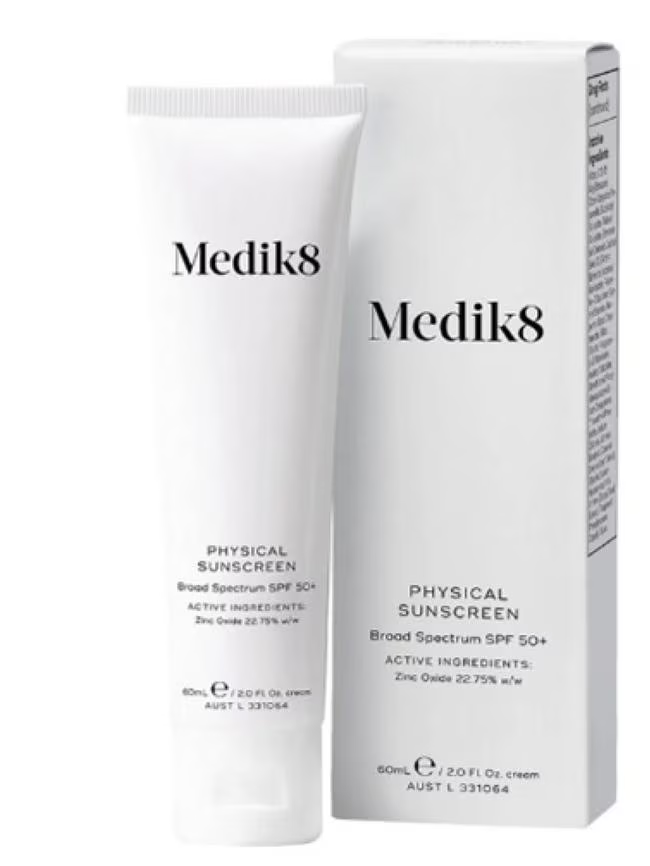
Medik8 has said the recalled formula was produced by a third-party manufacturer and sold only in the Australian and New Zealand market. The company has also said its other global retail SPF products are made to different formulations and are not part of this recall. That distinction is important for brand reputation, but it does not fully soften the broader question the recall raises for consumers: how much confidence should shoppers place in SPF claims across the category?
That question has been building for months. The Australian sunscreen market has already been under pressure after repeated concerns about products that did not appear to reach their advertised protection level. The Medik8 recall lands in a climate where public trust has already been tested, which is why this story is resonating beyond the brand’s core customer base.
It also arrives at a moment when Australian regulators are looking at broader changes to sunscreen regulation. The current conversation is no longer just about one product or one company. It is becoming a debate about testing, consistency, labelling and whether the system gives consumers information they can rely on in real-world conditions. The official TGA recall notice reflects that wider concern by framing lower-than-labelled SPF as both an immediate sunburn risk and a longer-term issue for skin cancer prevention.
What it means for consumers and the sunscreen market
The immediate practical impact is simple. Anyone who has one of the affected products needs to check whether it falls within the recalled group and stop using it if it does. But the larger effect is likely to play out in shopping behaviour. Recalls of this kind tend to change the way people buy sunscreen. Brand familiarity becomes less important than proof of testing, retailer trust and the reassurance that comes from established regulatory oversight.
That shift could hurt premium skincare labels more than mass-market brands. Medik8 is not known primarily as a sunscreen specialist in the same way some dedicated sun-care names are. It operates in a premium skincare space where consumers pay extra for credibility, formulation quality and clinical branding. A recall centred on product performance strikes directly at that premium positioning.
There is also a wider industry issue here. Sunscreen occupies an unusual place in the market because it is both personal-care product and health protection tool. Consumers may choose it for cosmetic reasons such as texture, finish or wearability under makeup, but the real reason they buy it is functional. If that function becomes uncertain, the whole purchase logic changes. Shoppers are less willing to experiment, and brands face a much tougher standard of proof.
What customers should do
Consumers who have purchased affected Medik8 SPF 50+ sunscreens are advised to stop using the products immediately and return them for a refund or replacement.
For regulators, the recall adds force to the argument that sunscreen labels may need to become easier for the public to interpret. Proposals to simplify protection language into broader categories reflect a growing view that consumers need clarity more than marketing nuance. If that reform gains momentum, recalls like this one will be remembered not just as isolated product setbacks, but as turning points in the way sunscreen is sold and understood.
For now, the Medik8 recall is trending because it meets every condition that drives public interest: it involves a trusted wellness product, a well-known premium brand, a risk that is invisible to the eye, and a consequence that feels personal the moment someone steps outside. In a region where UV exposure is part of daily life, that combination is enough to move the story far beyond the skincare aisle and into a much wider conversation about trust, standards and the meaning of protection itself.
You May Also Like
Anthropic Claude Code OpenClaw Pricing Change: What the New Update Means for Users
Author Bio
Swikriti is a Swikblog writer with 9 years of experience focusing on financial markets, stock analysis, and high-impact global news with a strong editorial perspective.

Make Swikblog your go-to source on Google for reliable updates, smart insights, and daily trends.