
Ontario is entering the 2026 wildfire season under heightened alert after nearly 600,000 hectares burned last year, with officials warning that uneven snow cover and fast-changing spring conditions could trigger early fire risks across parts of the province.
The wildfire season officially began on April 1 and runs until Oct. 31, but attention is already focused on Northwestern Ontario, where multiple late snowfalls have failed to provide reassurance. Authorities say snow depth varies significantly across regions, leaving some areas — particularly near the Ontario–Minnesota border — exposed to earlier drying.
Officials at the Northwest Regional Fire Management Centre in Dryden say southern sectors, including areas around Fort Frances, are already showing lower snowpack levels. That raises the likelihood that grasslands and open areas could become fire-prone sooner than expected, especially along highways, rail corridors and residential zones where human activity increases in spring.
The concern is not simply the presence of snow, but how quickly it disappears. A gradual melt can help keep surface fuels damp, reducing early ignition risk. But a rapid thaw can expose dry grass and debris within days, creating conditions where fires can ignite and spread before peak summer temperatures arrive.
The urgency of preparations reflects the scale of destruction seen in 2025. Ontario recorded 643 wildland fires last year — fewer than the 10-year average of around 712 — yet those fires burned approximately 597,654 hectares, nearly triple the long-term annual average of about 210,000 hectares. The Red Lake 12 fire alone consumed nearly 200,000 hectares, becoming one of the largest in the province’s history.
That pattern — fewer fires but significantly larger burn areas — has shifted how officials assess risk. It highlights how quickly individual fires can escalate under the right conditions, placing pressure on response systems and increasing threats to communities and infrastructure.
Staffing surge and expanded resources ahead of 2026 season
In response, Ontario has expanded its wildfire response capacity, adding 68 permanent positions over the past year, on top of roughly 100 roles introduced across 2024 and 2025. Recruitment is ongoing, with more than 2,500 applications received for fire ranger positions in Northern Ontario alone. Typically, around 700 firefighters are deployed across the region each season.
The province has also increased compensation for wildland firefighters, pilots and aircraft maintenance engineers, addressing long-standing concerns around retention and workforce stability. These moves come as part of a broader effort to ensure crews are fully staffed and operational before fire activity intensifies.
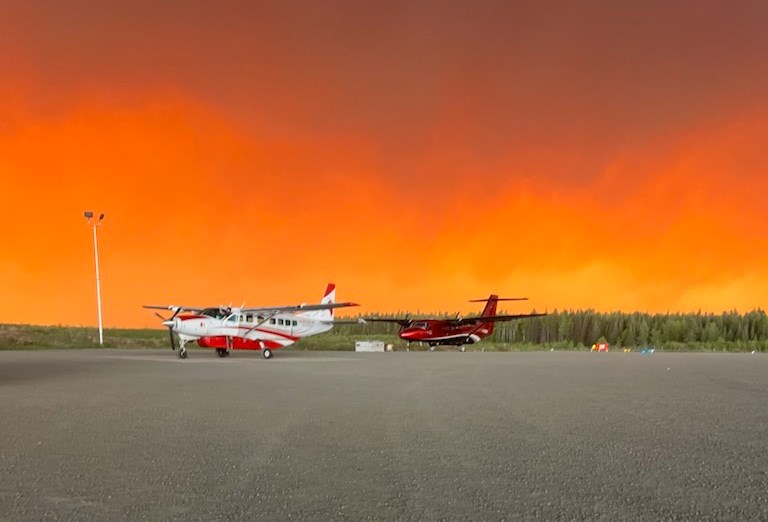
Ontario’s wildfire response system includes a fleet of 28 specialized aircraft and a network of 14 fire management headquarters, forward attack bases, logistics centres and emergency operations facilities. Together, they support the protection of roughly 90 million hectares of public land.
At the same time, new initiatives under the Wildfire Resilient Futures program are being rolled out to improve community preparedness, training and research. These efforts aim to reduce long-term fire risk while strengthening local capacity to respond when incidents occur.
Human activity remains a major trigger as early-season risks rise
Officials continue to stress that around 50% of wildfires in Ontario are caused by human activity. With outdoor burning regulations now in effect for the season, authorities are urging residents to take precautions as spring cleanup and recreational activity increase.
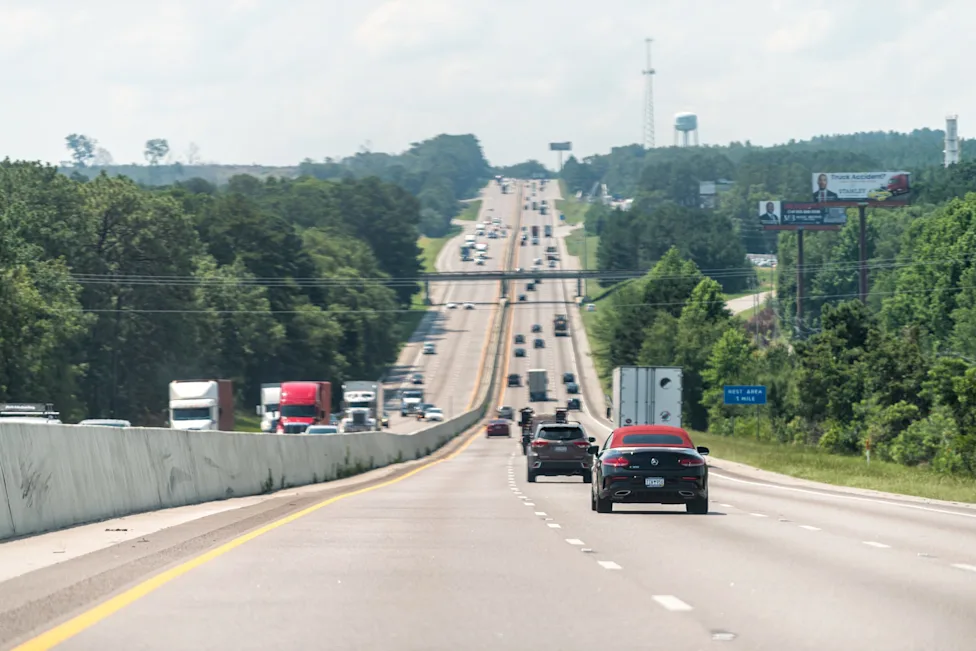
Early-season fires are often linked to dry grass in exposed areas, making roadside zones, rail lines and residential properties particularly vulnerable. As snow retreats unevenly across the province, these locations are expected to become the first hotspots for ignition.
Residents are being advised to monitor local fire conditions and restrictions through the province’s forest fire information service, limit outdoor burning and ensure campfires are properly controlled and extinguished.
For fire officials, the coming weeks will be critical. The pace of snowmelt, combined with wind and temperature shifts, will determine how quickly the province moves from a transitional spring landscape into active fire conditions. After the scale of last year’s damage, the margin for error has narrowed — and preparedness is now being tested well before the height of summer.
By Staff Writer
you may also like: Rolls-Royce shares fall below $12 as aviation demand risks weigh on outlook
Make Swikblog your go-to source on Google for reliable updates, smart insights, and daily trends.