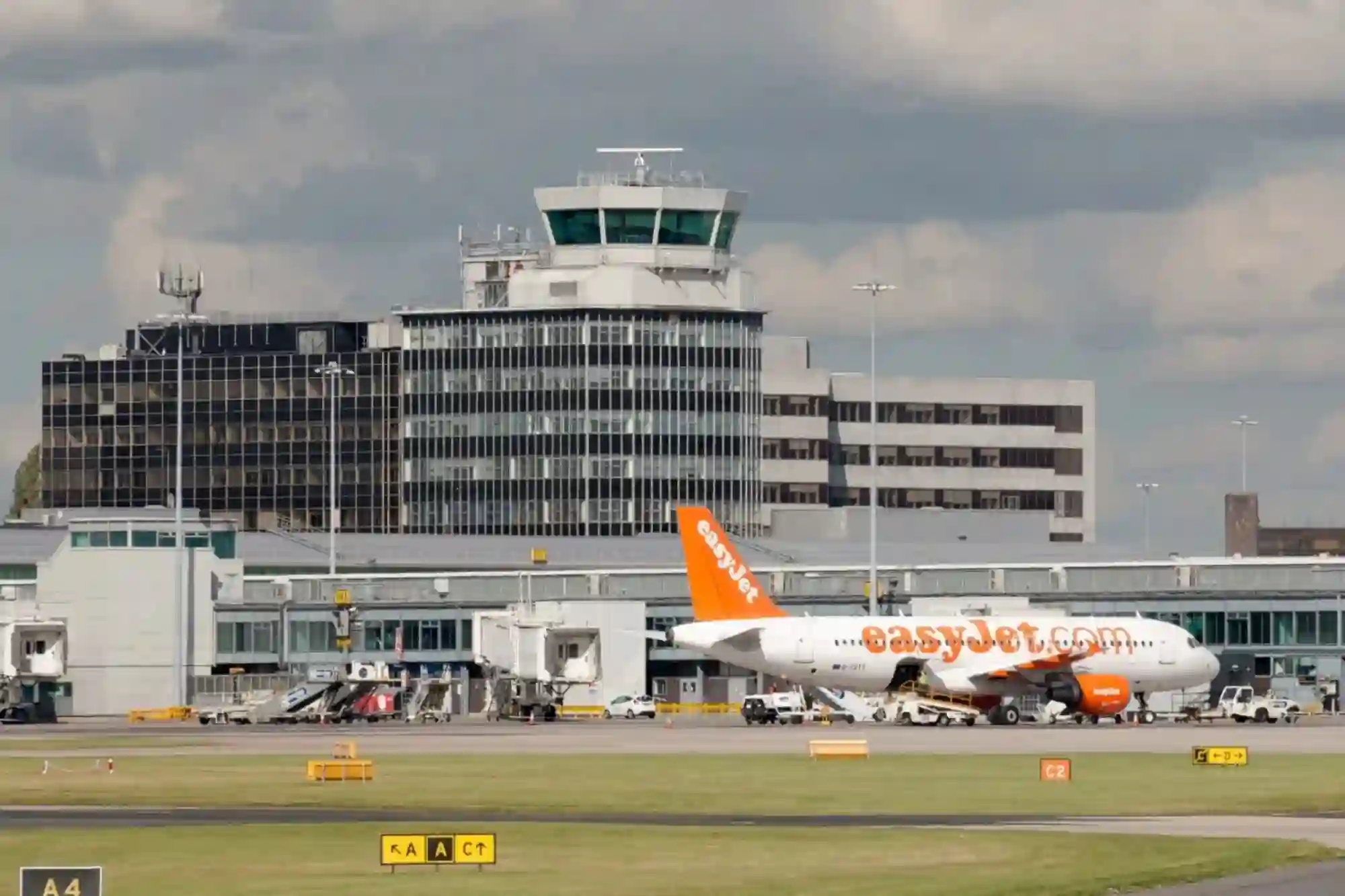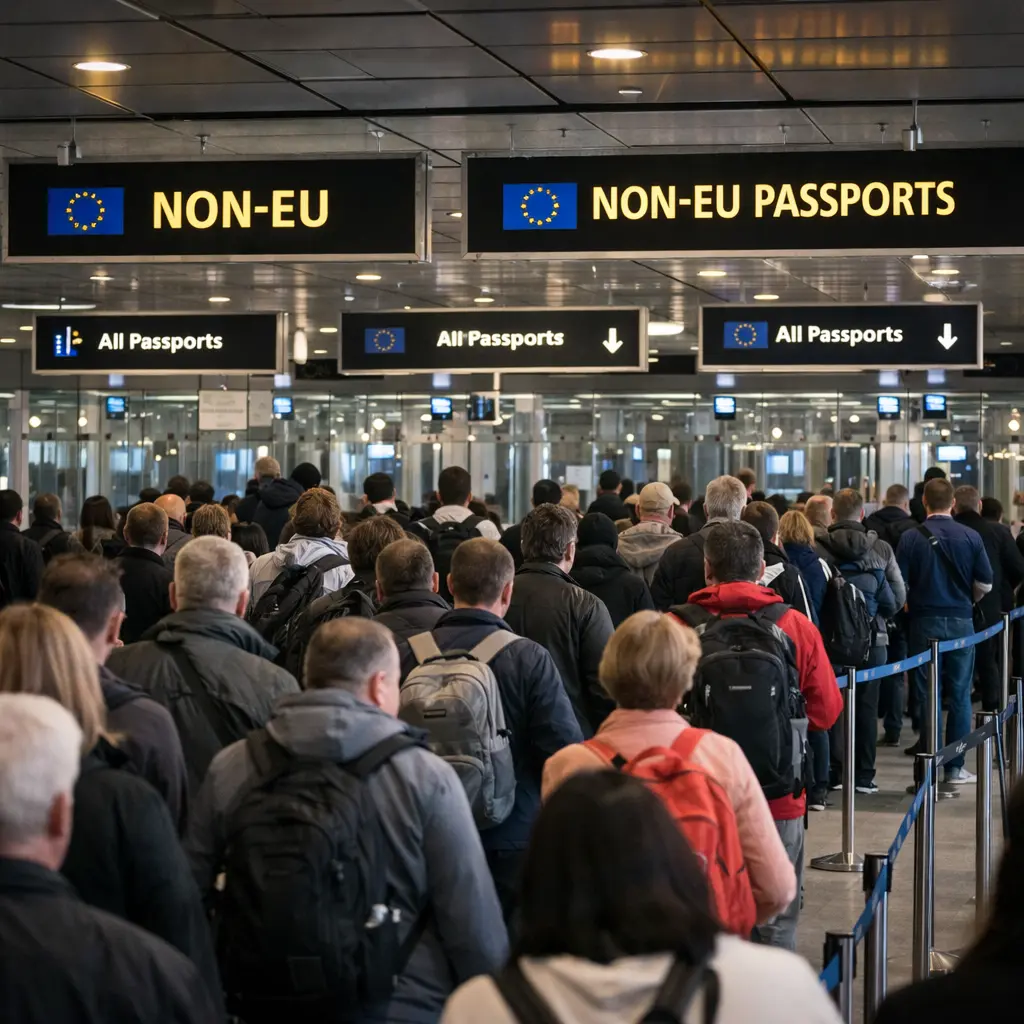

Travellers heading to Europe are facing growing disruption at airports after the full rollout of the European Union’s new entry-exit system (EES), with reports of queues stretching up to three hours at border checks across major travel hubs. The system, which came into effect across Schengen countries on 10 April, requires non-EU passengers to register personal details and biometric data, significantly slowing processing times during peak travel periods.
Airport operators and airlines say the situation is already affecting passengers in countries including France, Germany, Italy, Spain, Belgium and Greece. The delays have begun just as travel demand starts to build ahead of the summer season, raising concerns that congestion could worsen in the coming months if no adjustments are made.
The Airports Council International (ACI), which represents Europe’s airports, has warned that the current situation risks becoming “unmanageable” during peak travel periods. Its European director has cautioned that while traffic is only beginning to increase, long queues are already forming, suggesting far greater disruption once summer travel reaches full capacity.
The EES system replaces traditional passport stamping with a digital record of entries and exits, collecting biometric identifiers such as fingerprints and facial data from travellers entering the Schengen zone. It applies to non-EU nationals, including UK passengers, who must complete registration at the border during their first entry under the new system.
While European Commission officials have said the system is functioning well overall, they estimate that registering a passenger should take around 70 seconds. Airport operators, however, argue that the process can take up to five minutes per traveller in real-world conditions, especially when passengers are unfamiliar with the requirements or when technical issues arise.
Missed flights and early signs of disruption
The impact is already being felt beyond queues. In one incident reported over the weekend, more than 100 passengers were unable to board a flight from Milan to Manchester after delays at passport control meant they could not reach the departure gate in time. Such cases highlight how border bottlenecks can quickly ripple through airport operations, affecting departures and airline schedules.
Airline executives have also voiced frustration, with some describing the rollout as poorly timed given the approaching peak travel season. Concerns are growing that even minor inefficiencies in processing could translate into widespread disruption once airports begin handling higher passenger volumes during summer holidays.
In response, airport representatives have called on EU authorities to introduce greater flexibility, including extending exemptions and allowing temporary suspension of EES checks during periods of excessive congestion. Their argument is that without such measures, airports may struggle to maintain safe and efficient passenger flows.
Security goals clash with operational reality
The EES has been introduced as part of the EU’s broader effort to modernise border management and strengthen security oversight. Since its phased introduction began in October, the system has already recorded more than 52 million entries and exits, alongside over 27,000 refusals of entry. Authorities say nearly 700 individuals identified through the system posed potential security threats.
However, the rollout has exposed the challenges of implementing complex digital systems in high-traffic environments. Even small delays per passenger can multiply rapidly when large numbers of travellers arrive simultaneously, particularly at major international airports with limited space for additional processing infrastructure.
Responsibility for managing the system on the ground lies with individual member states, and the European Commission has acknowledged that some countries are experiencing technical issues, though it says these are being addressed. The uneven performance across airports has contributed to inconsistent passenger experiences, with some locations operating smoothly while others face significant delays.
The situation is further complicated by broader pressures on Europe’s aviation sector. Airports are also preparing for potential fuel supply disruptions linked to geopolitical tensions affecting the Strait of Hormuz, adding another layer of uncertainty to operations during an already demanding period.
For travellers, the immediate impact is clear: journeys into Europe may now involve significantly longer waits at border control, particularly during busy travel windows. Those planning trips in the coming weeks are being advised to allow extra time at airports and be prepared for additional checks as the system continues to bed in. More details about the system can be found on the EU’s official EES information page, though for many passengers the real test will come as summer travel volumes put the new system under sustained pressure.
You may like: Claude Down 2026: API 500 Errors Trigger Major Outage, Developers Hit Globally

Make Swikblog your go-to source on Google for reliable updates, smart insights, and daily trends.