
US gasoline prices may not fall below $3 a gallon until next year, Energy Secretary Chris Wright said, offering a more cautious outlook for drivers and adding a fresh layer of uncertainty to the fuel-price debate in Washington. His remarks come at a time when pump prices have once again become a major pressure point for households, policymakers and financial markets.
The statement stood out not just because of the timeline, but because it contradicted a more optimistic view expressed by Treasury Secretary Scott Bessent. While Bessent recently said he was hopeful Americans could see $3 gas again during the summer driving season, Wright made clear that a return to that level may take longer. That contrast has turned the story into more than a simple fuel-price update. It is now also about conflicting signals from senior officials as voters look for clarity on where energy costs are headed.
Wright said gasoline prices have likely already peaked for now, but he tied any future decline to a resolution in the US-Israeli war with Iran. That point is crucial. Fuel prices in the United States do not move only on domestic production trends or political promises. They are deeply influenced by global crude oil prices, shipping risks, refinery costs and geopolitical tensions, especially when conflict affects a region that sits at the heart of the world’s oil trade.
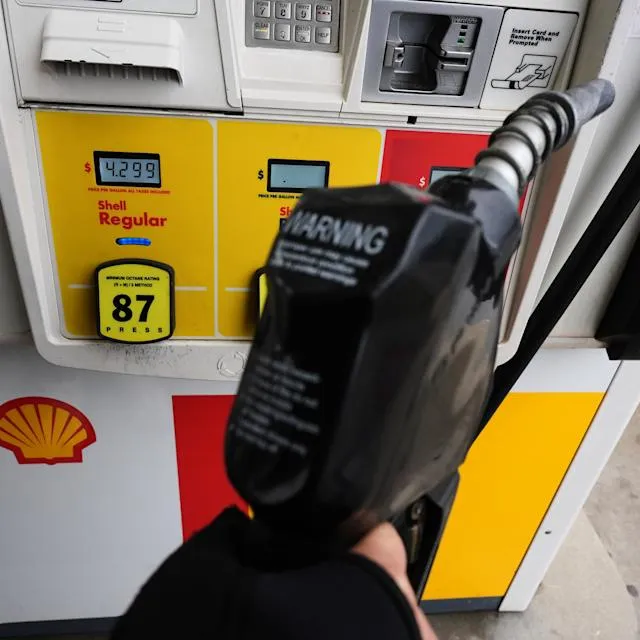
The recent jump in gasoline prices shows how sensitive the market remains. According to AAA’s national gas price tracker, the average price of regular gasoline in the United States was around $4.10 a gallon last week. That is a steep increase from the period before the conflict with Iran began on February 28, when the national average was below $3. In a matter of weeks, fuel costs moved from a relative point of stability to another source of financial strain for consumers.
That change matters because gasoline remains one of the most visible prices in the economy. Consumers may not check bond yields or shipping indexes every day, but they notice immediately when it costs more to fill up a car or SUV. Gasoline affects commuting, travel, delivery expenses and day-to-day budgeting. For families already watching food and housing costs closely, another stretch of elevated fuel prices can intensify broader cost-of-living concerns.
There is also a strong political dimension. Rising prices at the pump tend to create instant frustration, and that frustration often lands squarely on the White House, regardless of whether the cause is global conflict or domestic policy. A Quinnipiac University poll conducted from April 9 to April 13 found that 65% of voters blame President Donald Trump for rising gas prices, while 57% disapprove of his handling of the economy. With Republicans facing a difficult election cycle, sustained pressure at the pump could become a major political liability as the party tries to defend control of the House and Senate.
The disagreement between Wright and Bessent also reflects the broader challenge of forecasting gasoline prices during periods of geopolitical instability. Under normal conditions, seasonal patterns can offer some guidance. Summer usually brings stronger driving demand, and refiners often switch to more expensive summer blends, which can keep prices firm. But when war-related tensions enter the equation, those usual patterns become less reliable. A single headline about oil supply risks or shipping disruptions can quickly change market sentiment and send crude prices higher.
That is why Wright’s caution may resonate more with market watchers than Bessent’s summer optimism. His comments suggest the administration’s top energy official is preparing the public for a slower path to relief. That does not necessarily mean gasoline prices will remain near current levels for the rest of the year. Prices could move lower if tensions in the Middle East begin to ease. But falling from a crisis-driven spike is not the same as returning to a nationwide average below $3, which would likely require a more sustained decline in crude oil and a longer period of market calm.
The underlying economics support that view. The US Energy Information Administration says crude oil is the single largest component of the retail price of gasoline, which means international market disruptions can quickly affect what drivers pay in the United States. Refining costs, distribution expenses, retail margins and taxes also shape pump prices, but crude remains the main driver. The agency’s explanation is outlined on its gasoline prices and outlook page, which shows why a geopolitical shock can feed directly into consumer fuel bills.
For businesses, the implications go beyond the gas station. Higher fuel costs can raise transportation and logistics expenses, squeezing margins for delivery firms, trucking operators and small businesses that depend on regular travel. Those added costs can then filter through to consumers more broadly, reinforcing inflationary pressure across other parts of the economy. In that sense, gasoline is not just a consumer issue. It is also a wider business and macroeconomic story.
The bigger problem for the administration may be the mixed message itself. When senior officials present different timelines for something as politically sensitive as fuel prices, it can make the broader economic narrative harder to control. Drivers hearing one official promise possible summer relief and another warn that sub-$3 gas may not return until next year are left with uncertainty rather than confidence.
For now, Wright’s remarks set a more realistic, if less comforting, expectation. Gasoline prices may ease from recent highs if geopolitical conditions improve, but a return to sub-$3 fuel is no longer something consumers should assume is close at hand. Until crude markets stabilize and conflict-related risks fade, cheaper gasoline may remain a longer-term hope rather than a near-term certainty.
For more updates on energy, inflation and consumer market trends, visit our latest business news section.
You may also like US natural gas prices fall 2.24% today to $3.09 per MMBtu.

Make Swikblog your go-to source on Google for reliable updates, smart insights, and daily trends.