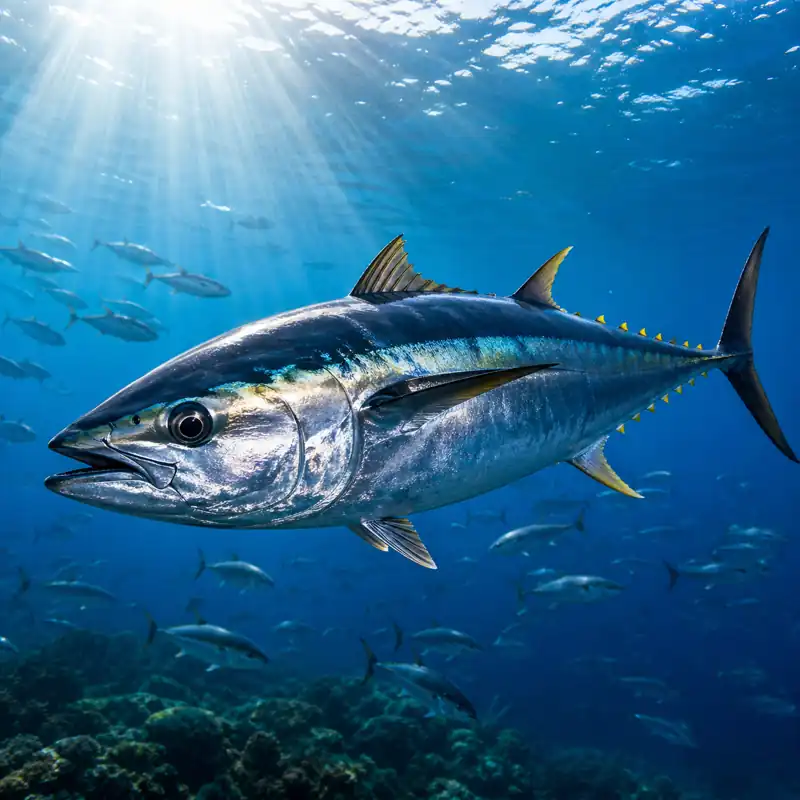

World Tuna Day 2026 will be observed on 2 May, with the theme “Advocating for Tuna Conservation.” The day brings attention to one of the ocean’s most valuable fish and the growing need to protect tuna stocks from overfishing, illegal catch, and poor management.
Tuna is eaten across the world in many forms, from canned tuna and sandwiches to sushi, salads, pasta dishes, and traditional coastal meals. But World Tuna Day is not about encouraging more consumption. It is about reminding governments, fishing industries, seafood brands, and consumers that tuna must be harvested responsibly if future generations are to benefit from it.
The United Nations officially recognised World Tuna Day in 2016, and the first global observance took place in 2017. Since then, May 2 has become an important date for awareness campaigns, fisheries discussions, conservation programmes, and public education around sustainable seafood.
Why World Tuna Day 2026 Matters
Tuna is more than a popular seafood choice. It is a major part of the global fishing economy and a key source of nutrition for millions of people. Around 7 million tons of tuna and tuna-like species are harvested every year, while the tuna industry is valued at nearly $10 billion annually. More than 96 countries are involved in tuna conservation and management, showing how widely this fish affects food systems, trade, and livelihoods.
At the same time, tuna populations face serious pressure. High demand, illegal fishing, weak monitoring, and excessive catch levels have placed several species at risk. In some regions, species such as southern bluefin tuna have been pushed close to collapse. Reports have also warned that some tuna populations have declined sharply over recent decades because of overfishing.
This is why the 2026 theme, “Advocating for Tuna Conservation,” is especially important. It calls for stronger protection, better fishing rules, and greater awareness among consumers. Tuna are highly migratory fish, which means they travel across oceans and international waters. Their conservation cannot be handled by one country alone. It requires cooperation between governments, regional fisheries bodies, scientists, coastal communities, and seafood companies.
The official United Nations observance explains the importance of tuna conservation and sustainable fisheries in greater detail here: United Nations World Tuna Day.
Theme, History and Global Conservation Message
The theme for World Tuna Day 2026 focuses on action. Advocacy means more than simply raising awareness. It means supporting policies and choices that protect tuna stocks before damage becomes irreversible. These actions include science-based catch limits, stronger checks on illegal fishing, better tracking of seafood supply chains, and responsible buying decisions by consumers.
The history of World Tuna Day is closely connected with Pacific island nations, where tuna is essential for food, income, and national economies. Members of the Parties to the Nauru Agreement played an important role in pushing global recognition of the day. For many island communities, tuna is not just a commercial product. It is part of daily life, culture, employment, and long-term survival.
Today, conservation efforts include improved stock assessments, fishery improvement projects, sustainability certification, bycatch reduction, and international agreements. These measures are designed to ensure that fishing does not remove tuna faster than populations can recover. Without such systems, tuna fisheries could become unstable, affecting both marine ecosystems and the people who depend on them.
Tuna also plays an important role in ocean balance. As predators, tuna help regulate marine food chains. A major decline in tuna populations can disturb wider ecosystems, affecting other fish species and the health of the ocean. Protecting tuna, therefore, is not only about saving one fish. It is about maintaining balance in marine life.
There is also a strong consumer angle. Canned tuna remains one of the most widely purchased seafood products, especially because it is affordable, convenient, and easy to store. Unopened canned tuna can last for years when stored properly, making it a common pantry item in many homes. But convenience should come with responsibility. Choosing tuna from sustainable sources can help reduce pressure on vulnerable stocks.
Tuna is also valued for its nutrition. It provides high-quality protein and contains omega-3 fatty acids such as EPA and DHA, which are often linked with heart, eye, and brain health. Popular dishes include tuna salad, tuna sandwiches, tuna pasta, tuna bisque, salad Niçoise, and cold seafood salads. Still, health benefits should not overshadow the need for responsible sourcing.
Several facts make tuna unique. Some tuna species can swim at speeds of more than 40 miles per hour. Large bluefin tuna can grow to impressive sizes, with some specimens reaching several metres in length and weighing hundreds of kilograms. Tuna can also maintain body temperatures above the surrounding water, helping them survive in different ocean environments. These traits make tuna powerful and fascinating fish, but not immune to human pressure.
As 2 May 2026 approaches, the message behind World Tuna Day is clear: tuna conservation needs urgent and continuous attention. Governments must enforce better rules, companies must improve transparency, and consumers must make informed choices. The future of tuna depends on what the world does now. Protecting tuna means protecting oceans, food security, coastal livelihoods, and one of the most important seafood resources on the planet.
You may like: 1.5m Shark Found 20km Inland at Sydney Roundabout

Make Swikblog your go-to source on Google for reliable updates, smart insights, and daily trends.