
BAE Systems is facing a fresh legal and reputational test after Kenya-based EnComm Aviation launched a £120 million claim linked to the loss of support for aircraft used in humanitarian cargo missions across Africa. The case puts one of Britain’s most important defence companies under a sharper public lens at a time when its financial performance is being lifted by record demand for military equipment.
The lawsuit focuses on BAE’s Advanced Turbo-Prop aircraft, better known as the ATP, a regional cargo aircraft that EnComm says had become central to its aid delivery network. The operator argues that BAE’s decision to surrender support for the aircraft effectively grounded its fleet, leaving the planes with little practical value beyond scrap and disrupting contracts tied to emergency relief work.
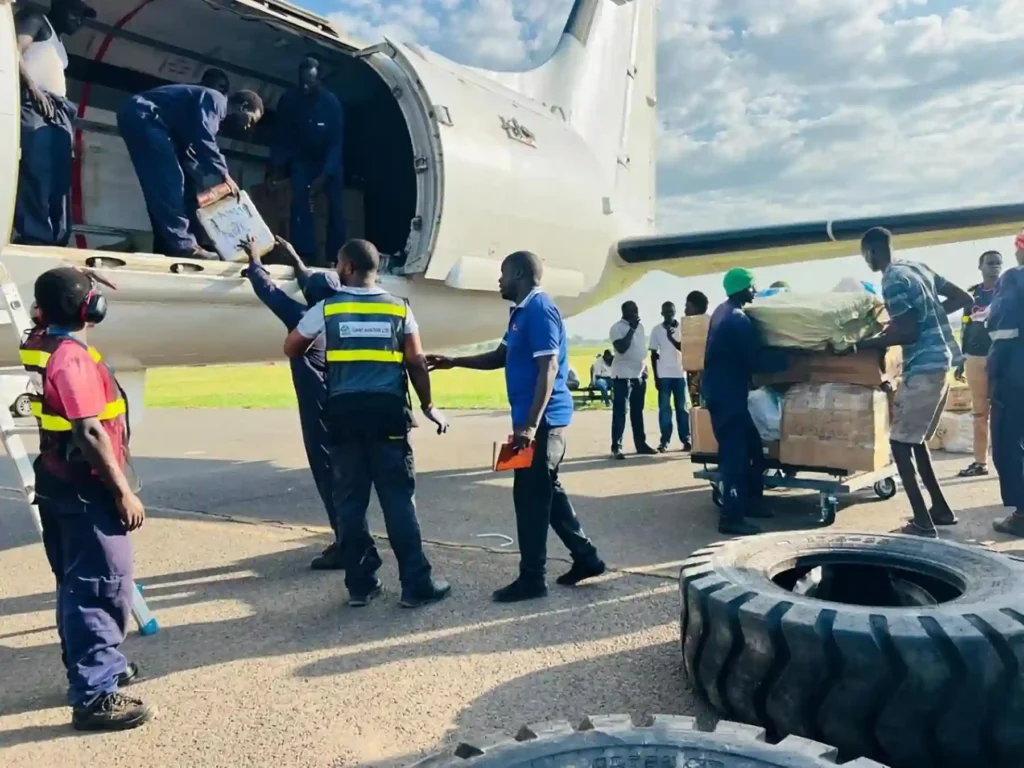
For EnComm, the issue is not only commercial. The company says the aircraft were being used to move food and humanitarian supplies into places where road access is limited, dangerous or impossible. The ATP’s ability to operate from short airstrips made it valuable in areas where conventional cargo aircraft may struggle to land. Each aircraft could carry about 8.2 tonnes, giving relief agencies a way to reach remote communities without relying on larger airports or long overland routes.
That capability mattered. Between March 2023 and September 2025, EnComm says its ATP fleet carried 18,677 tonnes of aid across countries including Somalia, South Sudan, Tanzania, the Democratic Republic of the Congo, the Central African Republic and Chad. These are not ordinary cargo routes. Many of the locations served by humanitarian aviation networks are regions where conflict, drought, displacement and poor infrastructure have combined to make delivery of basic supplies difficult and expensive.
The most sensitive part of the claim is Somalia. EnComm says it had to cancel major humanitarian contracts after the aircraft lost support, including a programme connected to aid flights serving 12 destinations in Somalia. That allegation lands against a severe food security backdrop. The World Food Programme has warned that nearly 6.5 million people in Somalia face high levels of hunger, with more than 1.8 million children at risk of acute malnutrition. The WFP’s Somalia update highlights how critical consistent air access is during such crises.
EnComm’s legal argument is expected to centre on whether BAE owed the operator a duty of care and whether earlier discussions created a reasonable expectation that ATP support would continue. The company claims that emails and meetings with BAE’s senior leadership led it to believe support would remain available for at least five years. If the court accepts that argument, the case could become more than a dispute over one aircraft type. It could raise wider questions about how aerospace manufacturers manage end-of-life support when aircraft are still being used for essential services.
Read More
BAE has not yet had its full defence tested in court, and the company may argue that aircraft support decisions are shaped by safety, regulatory and technical factors rather than simple commercial preference. Aviation certification is complex, and manufacturers must consider liability, parts availability, maintenance standards and compliance obligations. Still, EnComm’s claim is powerful because it links a technical support decision to real-world consequences in countries already facing humanitarian pressure.
The timing also makes the dispute more striking. BAE Systems reported sales of £30.7 billion for 2025, up 10%, alongside a record order backlog as governments increased defence spending. The company’s own results describe strong operational and financial performance in what it calls a new era of defence demand. Investors can review the company’s latest performance through BAE Systems’ official full-year results statement.
For shareholders, the lawsuit is unlikely to threaten BAE’s balance sheet by itself. A £120 million claim is small compared with the company’s annual sales and order book. But market risk is not always limited to the size of a legal demand. Defence companies are increasingly judged on governance, contract discipline, public accountability and the broader consequences of their business decisions. A case involving aid aircraft, famine-risk regions and cancelled humanitarian routes carries a reputational weight that may exceed the headline damages figure.
This development also sits within a wider geopolitical and humanitarian landscape, where conflicts, funding cuts and supply chain disruptions are already straining global aid systems. Readers tracking similar developments can explore more coverage in the world news and politics section, where ongoing international crises and policy decisions continue to shape humanitarian outcomes.
The dispute also reflects a deeper tension in the defence and aerospace industry. Companies such as BAE operate in sectors where long product lives are normal. Aircraft, vehicles and defence platforms can remain in service for decades, often in roles far removed from their original commercial or military purpose. When support is withdrawn, operators may face more than inconvenience; they may lose the ability to run entire services built around that equipment.
That is why the High Court claim will be watched closely by aviation operators, humanitarian logistics providers and investors. If EnComm succeeds, it may encourage other operators to challenge support withdrawals where they believe manufacturers gave assurances or failed to account for downstream consequences. If BAE successfully defends the claim, the case may reinforce manufacturers’ discretion to end support when they believe continued backing is no longer viable.
For now, the story places BAE in an uncomfortable position. The company is benefiting from a global defence spending cycle, yet it now faces allegations that one of its aircraft support decisions helped interrupt aid delivery across fragile regions of Africa. Whether the case becomes a contained legal dispute or a broader corporate responsibility debate will depend on what emerges in court.
The central question is no longer only whether EnComm can recover £120 million. It is whether a company reporting record profits can persuade the court, investors and the public that its decision was justified when the aircraft affected were tied so closely to humanitarian supply routes.

Make Swikblog your go-to source on Google for reliable updates, smart insights, and daily trends.