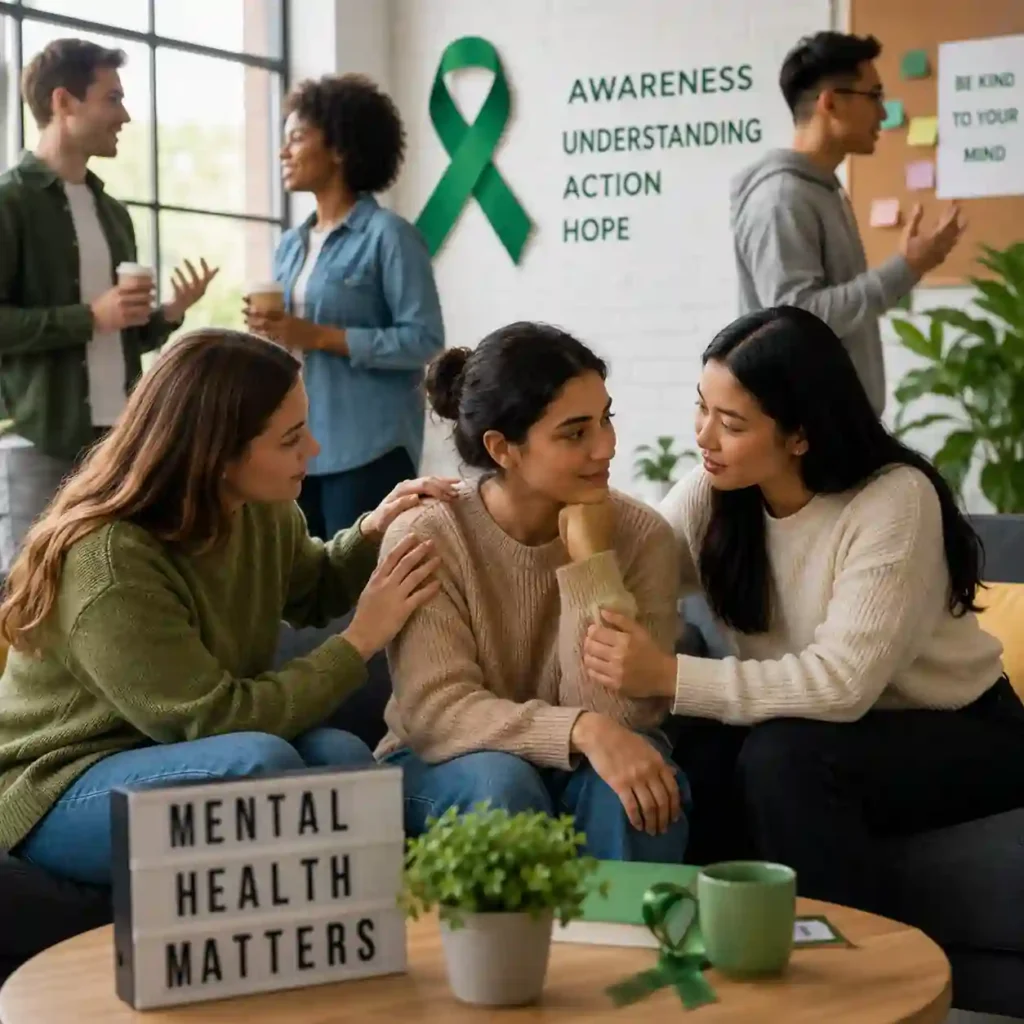

Mental Health Awareness Week 2026 will be observed from 11 May to 17 May, with this year’s theme placing a strong focus on “Action.” The campaign is expected to bring renewed attention to mental wellbeing at a time when stress, burnout, anxiety and emotional fatigue continue to affect people across workplaces, schools, families and communities.
Unlike earlier awareness campaigns that mainly focused on starting conversations, the 2026 theme pushes the message further. It asks a simple but important question: after we talk about mental health, what do we actually do next?
That shift is what makes this year’s campaign especially important. Mental health awareness has grown significantly in recent years, but many people still struggle to access support, speak openly about their problems or take early steps before stress becomes overwhelming. Mental Health Awareness Week 2026 is designed to encourage practical action that people can take for themselves, for others and for wider society.
What the 2026 ‘Action’ theme really means
The theme “Action” is not only about large campaigns or major policy changes. It also points to the small, everyday choices that can protect mental wellbeing. For some people, action may mean asking for help. For others, it may mean checking in on a friend, improving sleep, taking breaks from work, setting boundaries or joining a wellbeing activity.
The campaign also highlights that mental health is not just an individual responsibility. Workplaces, schools, colleges, communities and governments all have a role to play in creating environments where people can feel safe, supported and heard.
For workplaces, this may include training managers to notice early signs of stress, holding regular wellbeing check-ins, reviewing workloads and making mental health support easier to access. For schools and colleges, it may mean creating safe spaces where students can talk honestly about pressure, loneliness and anxiety.
According to workplace wellbeing discussions around this year’s campaign, stress and anxiety remain major concerns for employees. Reports highlighted during Mental Health Awareness Week planning show that hundreds of thousands of workers continue to experience work-related stress, depression or anxiety, leading to millions of lost working days. This is why many employers are being encouraged to move beyond one-off awareness sessions and build long-term support systems.
Readers following wider health, lifestyle and awareness updates can also explore more timely explainers and event-based coverage on Swikblog, where important national and international awareness days are regularly covered in a simple, reader-friendly format.
Read More
How people can take part in Mental Health Awareness Week 2026
There are many ways to get involved in Mental Health Awareness Week 2026. Some people may attend local or virtual events, while others may take part through workplace activities, school sessions, social media campaigns or community discussions.
Common activities during the week include mental health workshops, “Tea and Talk” sessions, mindfulness activities, wellbeing webinars, green ribbon campaigns and Wear It Green Day events. These activities are designed to make mental health conversations more visible and less difficult to start.
Social media is also expected to play a major role, with hashtags such as #MentalHealthAwarenessWeek2026, #MentalHealthMatters, #BreakTheStigma and #EndTheStigma likely to be used by individuals, charities, schools and organisations sharing messages of support.
However, the most meaningful part of the campaign is not only public participation. It is the personal action people choose to take after the week begins. That could be making an appointment with a mental health professional, speaking honestly with someone trusted, taking a break from constant pressure or helping someone else feel less alone.
The 2026 campaign also reminds people that prevention matters. Mental health support should not only begin after someone reaches crisis point. Early conversations, healthier habits and supportive environments can help reduce the risk of problems becoming more serious over time.
For students, this may mean balancing study with rest, joining wellbeing activities or reaching out to counselling services. For employees, it may mean speaking to a manager, using available support programmes or setting clearer boundaries around work. For families and friends, it may mean listening without judgement and encouraging someone to seek help when needed.
Mental Health Awareness Week has a long history of challenging stigma and encouraging more open discussion about mental wellbeing. But the 2026 theme makes the message sharper. Awareness has opened the door; now action must carry the movement forward.
As the week runs from 11 May to 17 May, the central message is clear: mental health cannot be improved by awareness alone. Real change happens when people take small, consistent and meaningful steps to support themselves and others.
Whether it is one conversation, one healthier habit, one workplace policy or one act of kindness, every action can help create a culture where mental health is treated with the care, respect and urgency it deserves.

Make Swikblog your go-to source on Google for reliable updates, smart insights, and daily trends.