
Victoria’s decision to fund free meningococcal B vaccines for Year 10 students from 2027 is more than a school health update. It is a shift in how the state handles access to a vaccine that many families have known about, but not all could afford.
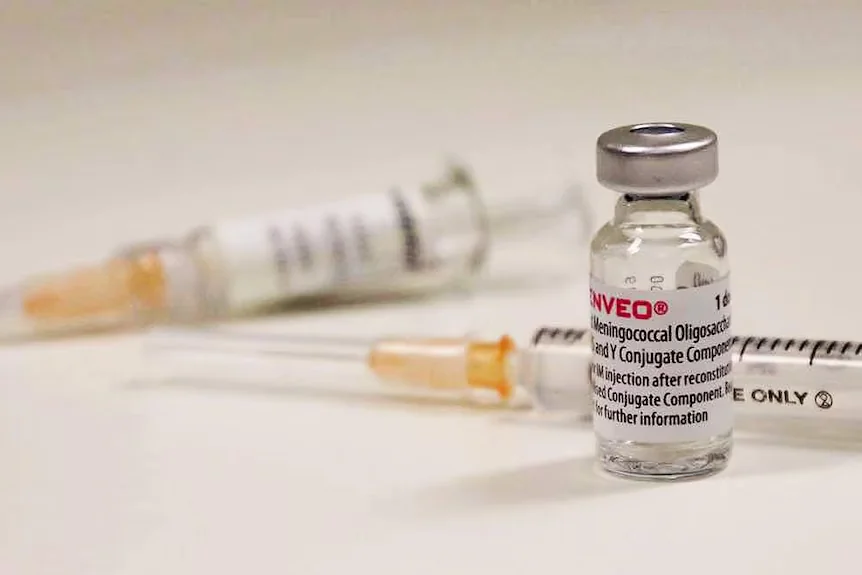
Under the new $9 million program, eligible Year 10 students will be able to receive the meningococcal B vaccine at no cost from January 1 next year. The move closes an important gap in adolescent protection, as the B strain is not currently covered for most students under Australia’s National Immunisation Program.
For years, Victorian students have had access to free meningococcal ACWY vaccination through school-based immunisation. That vaccine protects against four major strains of the disease, but it does not cover meningococcal B. Families who wanted that extra protection usually had to arrange it privately through a GP or pharmacist.
The cost has been a major barrier. Meningococcal B vaccination can require multiple doses, and private access may cost hundreds of dollars. That has created a situation where two students in the same classroom could have very different levels of protection simply because one family could afford the vaccine and another could not.
Why meningococcal B is a serious concern
Meningococcal disease is uncommon, but its speed makes it one of the infections parents fear most. The illness can worsen within hours and may lead to meningitis, bloodstream infection, permanent disability or death. In some cases, serious illness can develop within 24 to 36 hours after symptoms begin.
Early signs can be difficult to recognise because they may look like a common viral illness. Fever, headache, nausea, diarrhoea, tiredness, muscle pain, joint pain and cold hands or feet can appear before more alarming symptoms develop. A rash, neck stiffness, drowsiness, confusion, difficulty walking or trouble speaking may indicate a medical emergency.
According to the Australian Government’s meningococcal vaccine information, vaccination is an important way to reduce the risk of serious disease, although different vaccines protect against different strains.
Victoria has reported four meningococcal disease cases so far this year and 18 cases over the past 12 months. Those numbers may appear low compared with other infections, but public health experts often judge meningococcal disease by severity rather than case count alone. The consequences can be devastating even when outbreaks are small.
National health data has shown that up to one in 10 people who contract meningococcal disease may die, while some survivors experience long-term complications. These can include hearing loss, neurological damage, scarring or limb loss.
The new Victorian funding is aimed at teenagers because adolescence is considered a higher-risk period for meningococcal transmission. Close social contact, school settings, shared transport, sport, parties and group activities can all increase opportunities for bacteria to spread.
Health experts have welcomed the decision because it removes a financial barrier from a vaccine that many doctors have recommended but many families have struggled to pay for. RACGP Victoria chair Dr Anita Muñoz said access to vaccination should not depend on a parent’s disposable income.
The announcement also follows months of public pressure from families and advocates calling for broader meningococcal B vaccine access. Among the most visible voices has been Melbourne mother Norliah Syer-Peterson, whose son Levi died after contracting meningococcal B.
After Levi’s death, Ms Syer-Peterson began campaigning to warn other parents about the disease and push for vaccine funding. Her petition calling for government action gathered more than 41,000 signatures before being delivered to parliament.
Her advocacy helped turn a medical policy debate into a human story about prevention, affordability and parental awareness. The message that resonated with many families was simple: parents should know which strains their children are protected against before assuming school vaccination covers everything.
What changes for Victorian families
From 2027, the meningococcal B vaccine will be added to Victoria’s free vaccination offering for Year 10 students. The rollout is expected to use the state’s existing school immunisation system, which already delivers adolescent vaccines through schools. More details on Victoria’s current school vaccination structure are available through the state’s Secondary School Immunisation Program.
The change means parents of Year 10 students will no longer have to weigh the private cost of meningococcal B protection against other household expenses. It also gives schools and health providers a clearer pathway to reach adolescents at scale.
However, the program does not yet answer every concern. The Victorian government has not confirmed whether the funding will continue beyond next year, and experts are already calling for the vaccine to be made available to more groups.
Read More
Infants remain a key focus. Babies are also vulnerable to meningococcal B, and some other Australian states, including Queensland and South Australia, already fund free meningococcal B vaccination for eligible infants as well as teenagers.
Victorian Health Minister Harriet Shing has said the state will continue urging the Commonwealth to consider adding meningococcal B vaccination to the National Immunisation Program. A national approach would reduce differences between states and make access more consistent for families across Australia.
The issue also fits into a wider conversation about vaccine equity. Swikblog recently covered the importance of immunisation access in its article on World Immunization Day and Week 2025, where global health experts again stressed that vaccines remain one of the strongest tools for preventing serious disease.
For parents, the practical advice is to check rather than assume. A child may have received meningococcal ACWY vaccination through school but still not be protected against meningococcal B. Families with younger children, infants or children with medical risk factors should speak with a GP, pharmacist or immunisation provider about eligibility and timing.
Victoria’s new program will not erase the grief of families who have already lost children to meningococcal B. But it may prevent other families from facing the same loss. By making the vaccine free for Year 10 students, the state is recognising that protection against a fast-moving disease should not be limited to those who can afford private vaccination.

Make Swikblog your go-to source on Google for reliable updates, smart insights, and daily trends.