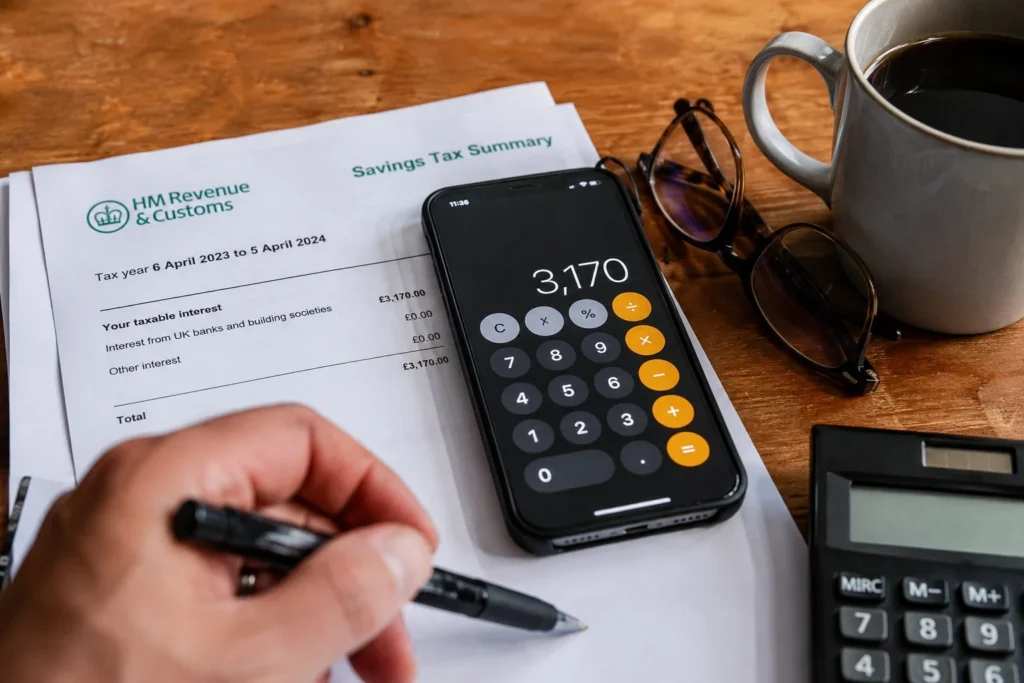

A quiet tax-code mistake can do more damage than many people expect. For UK workers and pensioners paid through PAYE, one wrong savings-interest figure on HMRC’s system can mean less money arriving in the bank every month.
That is why savers are being warned to check their tax codes carefully after reports that HM Revenue & Customs has used incorrect savings-interest data to adjust some PAYE codes. The result, in some cases, has been surprise tax deductions, unexpected bills and reduced take-home pay.
The issue is linked to the way banks and building societies report savings interest to HMRC. Since 2016, financial firms have been required to send information about the interest paid to savers. HMRC can then use those figures to collect tax automatically by changing a person’s PAYE code, instead of asking them to complete a tax return.
On paper, that sounds efficient. The difficulty starts when the data is wrong, duplicated or applied to the wrong person.
Reports have highlighted cases where HMRC’s records showed far more taxable savings interest than taxpayers had actually earned. In one case, a worker was reportedly assessed as having £3,847 of untaxed savings interest when the true figure was only £94. The error led to a tax overpayment of around £1,476 and reduced monthly pay by about £200 before the matter was corrected.
That kind of mistake is not just an accounting problem. For households already managing higher bills, mortgage costs and frozen tax thresholds, a £100 or £200 monthly drop in pay can quickly become a serious cash-flow issue.
One of the most concerning claims involves cash ISA interest. Interest earned inside a cash ISA is tax-free and should not be included in taxable savings income. Yet some savers were reportedly affected after ISA interest was wrongly reported as taxable.
Zopa, the digital bank, has said hundreds of customers may have been affected after tax-free cash ISA interest was mistakenly sent to HMRC as taxable income. The bank said it identified the issue on October 7 last year and sent corrected information to HMRC the same day. However, some customers later reported unexpected tax-code changes or tax demands.
The problem comes at a time when more people are being pulled into savings tax. Higher interest rates have helped savers earn better returns, but the Personal Savings Allowance has not risen since it was introduced. Basic-rate taxpayers can usually earn £1,000 of savings interest tax-free each year. Higher-rate taxpayers get a £500 allowance, while additional-rate taxpayers get no Personal Savings Allowance.
That means even people with ordinary savings accounts can now find themselves closer to a tax bill than they were a few years ago.
HMRC guidance explains how savings interest is taxed and how allowances work on its official tax on savings interest page. But the latest cases show that taxpayers may still need to check the figures themselves rather than relying fully on automatic calculations.
Financial advisers say the most common warning signs include savings interest appearing twice, old estimates being carried forward, joint-account income being wrongly split, and ISA interest being included when it should be ignored. Some taxpayers may also be linked to accounts they do not own.
The Low Incomes Tax Reform Group has previously warned that HMRC figures can be useful as a starting point but may not always match a taxpayer’s own records. If the number on a tax-code notice looks wrong, savers should ask HMRC for a full breakdown and compare it with bank statements.
Read More
- Visit Swikblog Homepage
- EasyJet Emergency Milan Landing Leaves Passengers Stranded for 13 Hours
- Hyundai Elantra Hybrid Fire Risk Recall in the US
- John Summit CTRL Escape 2026 Arena Tour North America
- Xbox Hires Matthew Ball in Microsoft Console Comeback Strategy
- Sarah Strozkiy’s Son Sonny Diagnosed With Batten Disease
The risk may grow as HMRC receives more financial information from banks. From 2028, banks are expected to collect National Insurance numbers from customers to improve reporting, while savings-interest data may also be sent more frequently. That could make the system faster, but it also raises the stakes if incorrect data is processed automatically.
For savers, the practical step is simple: check your PAYE tax code, your HMRC personal tax account, your bank interest statements and your ISA records. If HMRC has included interest that is too high, duplicated or tax-free, contact HMRC as soon as possible. If the bank supplied the wrong figure, ask the bank to correct the data it sent.
Readers comparing tax-free savings options can also read Swikblog’s coverage of Premium Bonds and tax-free savings products.
The bigger lesson is that automatic tax collection does not remove the need for personal checks. HMRC may calculate the code, but the taxpayer often has to spot the mistake. If your salary has suddenly fallen and you cannot explain why, your tax code should be one of the first places to look.

Make Swikblog your go-to source on Google for reliable updates, smart insights, and daily trends.