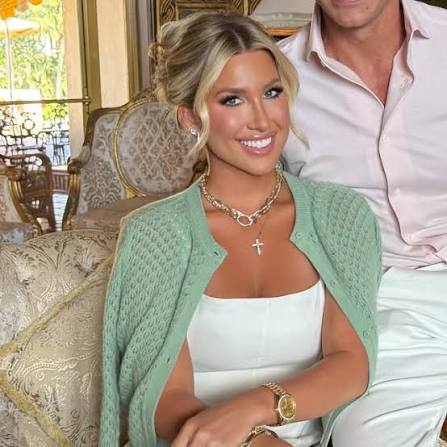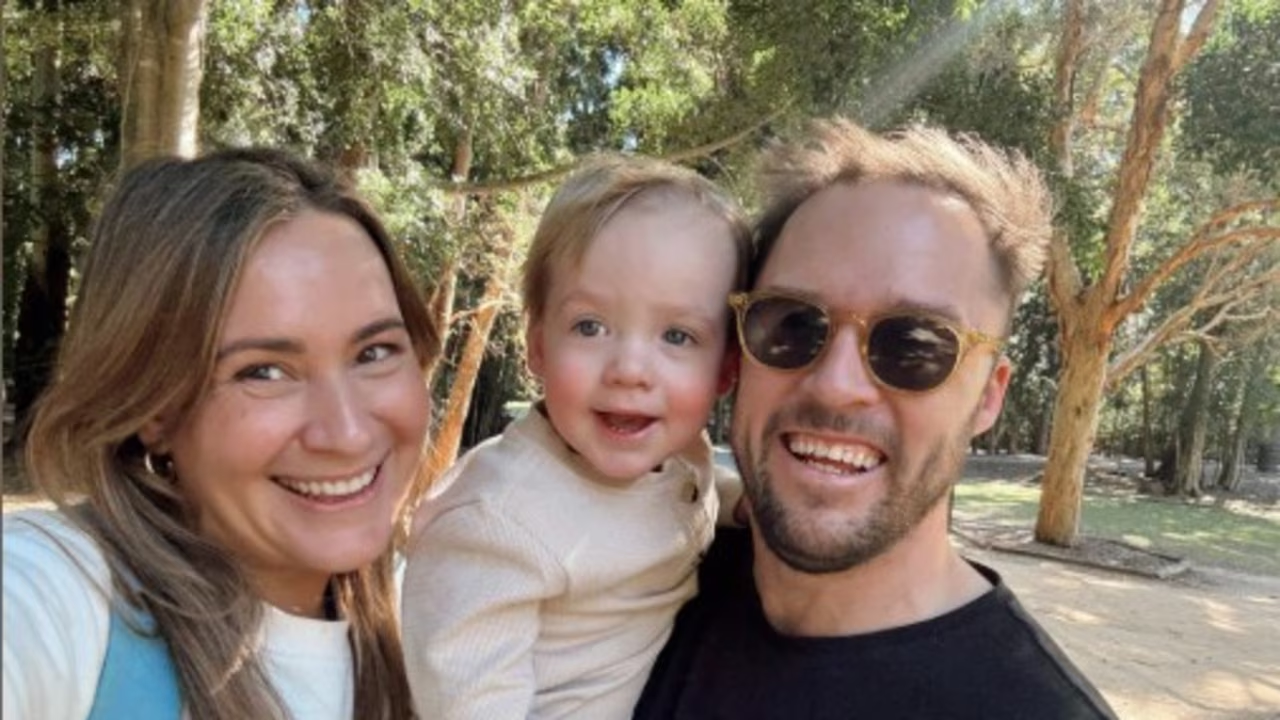

Australian stylist and influencer Sarah Strozkiy has shared the kind of family news no parent is ever prepared to speak aloud: her two-year-old son, Sonny, has been diagnosed with CLN2 Batten disease, a rare progressive genetic condition that can take away speech, movement, sight and other basic functions over time.
The Queensland mother, known online as @shessoseasonal, said Sonny received the diagnosis on May 19. In an emotional update, she described the condition as rare, progressive and terminal, while making clear that the family’s focus has shifted to treatment, advocacy and giving Sonny the fullest life possible.
“I’m his mum. He is still my boy. And we are not done fighting,” Strozkiy said as she spoke about the road now facing her family.
Sonny, who turns three in July, is living with symptoms that began with seizures, speech delay and problems with balance. His family had already endured months of uncertainty, ambulance calls, specialist appointments and the painful process of trying to understand why a child who was so deeply loved and full of life was suddenly struggling in ways that did not feel ordinary.
A fundraiser set up for the family describes Sonny as funny, brave and “so deeply loved”, a little boy who loves the moon, the colour orange, the family cat Connie and their dog Bubbelo Bill. That detail has helped the story travel far beyond medical terms and diagnosis dates. At the centre of it is a toddler with a personality, a home, favourite things and parents trying to absorb an unimaginable reality.
A rare diagnosis that changes childhood
Batten disease is not one single condition but a family of rare inherited neurodegenerative disorders, many of which begin in childhood. Sonny’s type, known as CLN2 disease, is linked to a deficiency of the TPP1 enzyme. Without enough of that enzyme, waste material builds up inside cells, particularly affecting the brain and nervous system.
Families often first notice signs that can look confusing or disconnected: delayed speech, seizures, loss of words, changes in movement or balance, and later problems with vision and swallowing. Because the early symptoms can resemble more common childhood conditions, diagnosis may come only after repeated tests, specialist reviews and genetic investigation.
For Strozkiy and her husband Jason, the diagnosis has brought both grief and urgency. Sonny is reported to be one of only a small number of children in Australia living with the condition, including just a few in Queensland. That rarity can make the emotional weight even heavier for families, who must suddenly learn a new medical language while also trying to protect the rhythm of daily life at home.
There is currently no cure for Batten disease, but there is a treatment option for CLN2 disease that may help slow functional decline. The treatment, cerliponase alfa, is administered directly into the fluid around the brain through an implanted device. More information about Batten disease and family support is available through Batten Disease Support and Research Association Australia.
For Sonny, the treatment path described by his mother is invasive and demanding. It involves initial brain surgery to place a port, followed by treatment sessions every two weeks. Strozkiy said the process can take around six hours and requires sedation, a reality that left her visibly overwhelmed as she tried to explain what lies ahead for a child who is still only two.
The goal is not a cure, but time: time to slow decline, time to support development, time to preserve abilities for as long as possible, and time for a family to make memories while researchers continue to pursue better answers for children with the disease.
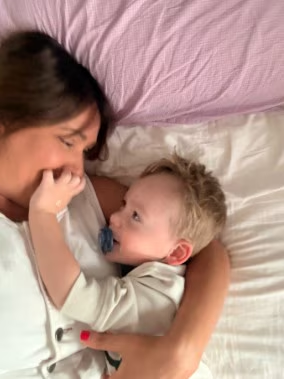
Support grows around Sonny and his family
A GoFundMe created for Sonny has drawn thousands of donations, with money intended to help cover therapies, medical equipment, specialist consultations, travel, home adaptations and time away from work for Sarah and Jason as they care for their son.
The fundraiser had raised more than A$75,000 toward an A$80,000 target when publicly listed, reflecting how quickly the family’s story has moved people online. Strozkiy said the response from friends, followers and strangers has felt like “being held by the world”.
Messages of support have also arrived on social media, including from Australian public figures and parents who were struck by the vulnerability of Strozkiy’s update. But beyond the viral attention, the story has opened a wider conversation about rare childhood diseases, the delays families can face before diagnosis, and the life-changing importance of research into conditions that affect only a small number of children.
Rare disease families often live in the gap between hope and reality. They must plan for therapies, hospital visits and equipment while still trying to keep birthdays, bedtime stories, pets, favourite colours and small routines at the centre of a child’s life. That tension is clear in Sonny’s story: a devastating diagnosis, but also a family determined not to let the diagnosis become the only thing people know about him.
Strozkiy’s message was not framed as surrender. It was a mother’s attempt to name the fear while refusing to let it erase love, identity or fight. Sonny remains the little boy who loves the moon and orange, the child his parents call their most precious gift, and the reason a growing community is now watching, donating, sharing and hoping alongside them.

Make Swikblog your go-to source on Google for reliable updates, smart insights, and daily trends.