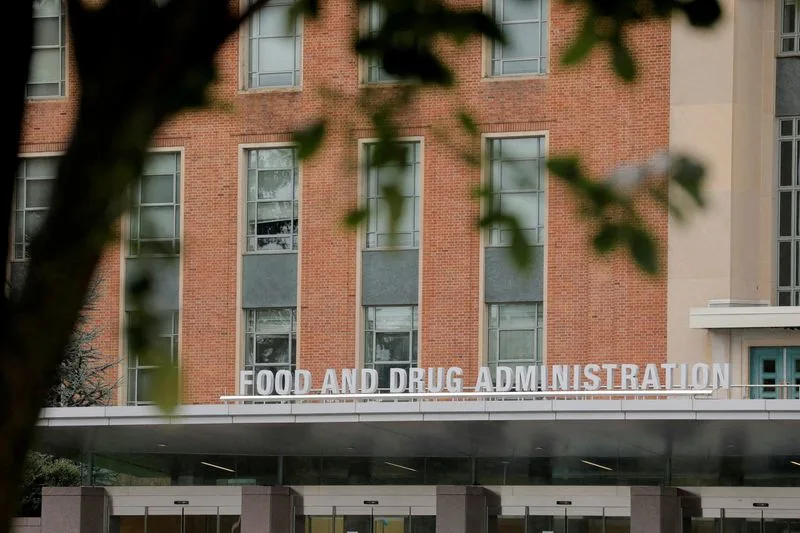

FDA Grants Emergency Approval for OTC Pet Drug After First U.S. Screwworm Cases in 60 Years
The U.S. Food and Drug Administration has moved to widen treatment access for pet owners after New World screwworm, a dangerous parasite long absent from domestic U.S. cases, was confirmed again in animals in Texas and New Mexico.
The agency authorized emergency use of generic nitenpyram tablets for dogs and cats with screwworm infestations, giving veterinarians and pet owners a fast-acting over-the-counter option while federal and state officials work to stop the parasite from spreading further.
The decision follows confirmed cases involving cattle, a goat and a dog, the first domestic detections in more than 60 years. Although officials say the risk to most pets remains low, the return of screwworm has raised concern because its larvae feed on living tissue and can cause serious injury if treatment is delayed.
What the FDA Authorized
The emergency authorization allows generic nitenpyram tablets to be used in dogs and cats that are at least four weeks old and weigh at least two pounds. The tablets are available in two dosage strengths.
The FDA said the drug is expected to kill most screwworm larvae within hours after the first dose. A second dose should be given six hours later, according to the agency’s emergency-use guidance.
This approval is notable because it is the first generic animal drug cleared under an emergency pathway for this use. The FDA said the decision is intended to support access to affordable treatment options during the screwworm response.
Why Screwworm Is Different From Common Wound Maggots
New World screwworm is caused by fly larvae that enter animals through open wounds and burrow into living flesh. That makes it more dangerous than infestations involving larvae that feed only on dead tissue.
In pets, the problem may begin around a small wound, scratch, bite or surgical site. If larvae are present, the wound can worsen quickly, causing pain, tissue damage and infection risk.
Pet owners should watch for wounds that grow larger instead of healing, visible larvae, swelling, foul odor, unusual discharge, excessive licking or sudden pain around an injury.
Why Veterinarians May Still Be Needed
The FDA’s authorization does not mean the tablets are a complete at-home fix. Nitenpyram may kill most larvae, but it may not prevent reinfestation.
Veterinarians may still need to remove remaining larvae, clean the wound, treat damaged tissue and decide whether additional care is needed. That follow-up matters because untreated wounds can continue to attract flies, especially in affected regions.
For pet owners, the practical message is clear: the drug may help act quickly, but suspected screwworm should still be treated as an urgent veterinary issue.
Why the Texas and New Mexico Cases Matter
The confirmed infections in cattle, a goat and a dog show why animal-health agencies are taking the situation seriously. Screwworm was once a major livestock threat before eradication programs pushed it out of the United States decades ago.
A wider spread could create problems beyond household pets. Ranchers and livestock producers are watching closely because screwworm can affect cattle and other animals through wounds, creating welfare risks and economic pressure if cases expand.
The current response is focused on early detection, treatment access and containment. Officials have warned that animals recently in affected areas are more vulnerable, even though the average U.S. pet is still considered at low risk.
What Pet Owners Should Do Now
Pet owners in or near affected areas should check animals for open wounds and seek veterinary help if a wound looks unusual or contains larvae. Pets that recently traveled through Texas, New Mexico or other monitored areas should be watched more closely.
Routine wound care, fly control and quick veterinary attention remain important. Owners should not assume every wound is screwworm, but they also should not ignore fast-worsening injuries.
The FDA said the benefits of emergency use outweigh the potential risks based on available evidence. More information for veterinarians is available through the FDA’s New World screwworm guidance.
Read More
For related pet-health reading, Swikblog also covers FDA dog food recall and pet safety guidance.
The emergency authorization gives pet owners and veterinarians another tool at a sensitive moment. The bigger test now is whether fast treatment, surveillance and public awareness can keep a rare parasite from becoming a wider animal-health problem again.

Make Swikblog your go-to source on Google for reliable updates, smart insights, and daily trends.