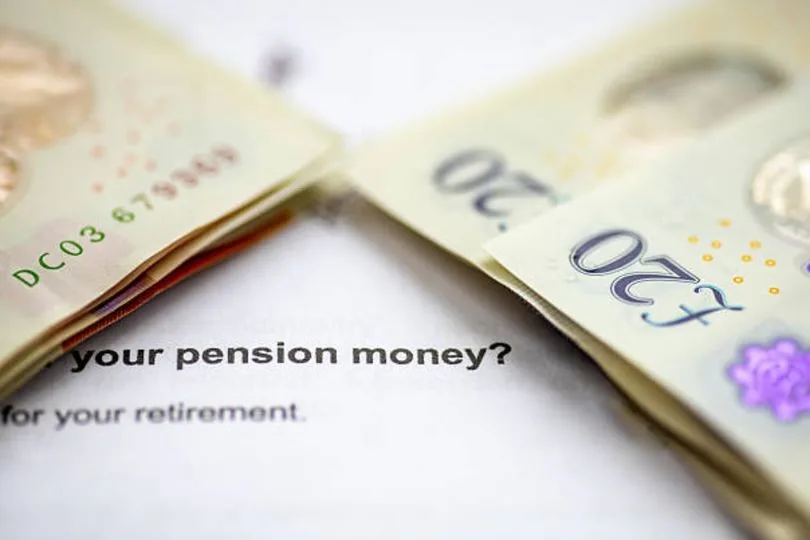

HMRC tax bills are becoming a growing worry for millions of UK pensioners as the frozen personal allowance pushes more retirement income into the tax net. The latest row centres on claims that around 12.5 million pensioners could miss out on a State Pension tax break, while only those relying solely on the full State Pension are set to be protected from paying income tax on it from 2027/28.
The controversy has raised fresh concerns over what campaigners describe as a “two-tier” pension system. Under the government’s position, pensioners whose only income is the full basic or new State Pension would not be taxed if their payments rise above the personal allowance. But retirees with even modest extra income from a workplace pension, private pension, widow’s pension uplift or older State Pension increments may still face HMRC bills.
The pressure comes from the personal allowance, which remains frozen at £12,570 until April 2031. As State Pension payments rise while the tax-free threshold stays fixed, more pensioners are being pulled into income tax through fiscal drag. GOV.UK guidance states that pension income can be taxable when total annual income rises above the personal allowance, including State Pension and private pension income. Readers can check the official rules on tax when you get a pension.
Why Some Pensioners Could Still Face HMRC Bills
The dispute is not simply about high-income retirees. It affects people who saved small amounts during working life or receive additional pension payments because of the old State Pension system. One pensioner cited in reports receives around £414 a week from the old State Pension, equal to about £21,528 a year. After a bereavement-related increase following the death of his wife, annual income rose to around £22,360.
That puts the pensioner roughly £9,790 above the £12,570 personal allowance. At the basic 20% income tax rate, that creates an annual tax bill close to £1,958. For campaigners, the example shows how pensioners with fairly ordinary retirement income can still face significant HMRC demands, while another pensioner with only State Pension income may be treated differently under the planned protection.
Dave Morgan, 72, from Clacton-on-Sea in Essex, is among those who say the approach is unfair. After spending 43 years working as a building surveyor, he receives a modest private pension alongside his State Pension. Because of that extra income, he is expected to miss out on the protection designed for pensioners whose only income is the State Pension.
Campaign group Silver Voices has criticised the policy sharply. Its founder, Dennis Reed, said taxing any element of the State Pension is “brutally unfair” because pensioners paid into the system throughout their working lives. He also warned the policy could create anomalies between retirees with similar incomes but different pension arrangements.
The Treasury has defended its position, saying anyone whose only income is the full new or basic State Pension without increments will not pay income tax under the planned approach. However, former pensions minister Sir Steve Webb has warned that most pensioners already pay income tax and that the proportion is rising each year.
The issue also comes as pensioners face wider pressure from scams, tax changes and retirement planning risks. Swikblog recently reported on how pension scammers are exploiting inheritance tax fears ahead of 2027 rule changes, underlining why retirees need clear information before making financial decisions.
Read More
For pensioners, the key point is that the State Pension itself is not automatically tax-free in every situation. What matters is total taxable income. A retiree with only State Pension income may be protected under the government’s plan, while someone with a small private pension or inherited pension uplift could still cross the tax threshold and receive a bill from HMRC.
With the personal allowance frozen until 2031 and State Pension payments expected to keep rising under the triple lock, the argument over pensioner taxation is unlikely to fade quickly. The policy may reduce small tax bills for some retirees, but it has also opened a deeper fairness debate over whether saving for retirement should leave pensioners worse off than those with no extra income at all.

Make Swikblog your go-to source on Google for reliable updates, smart insights, and daily trends.