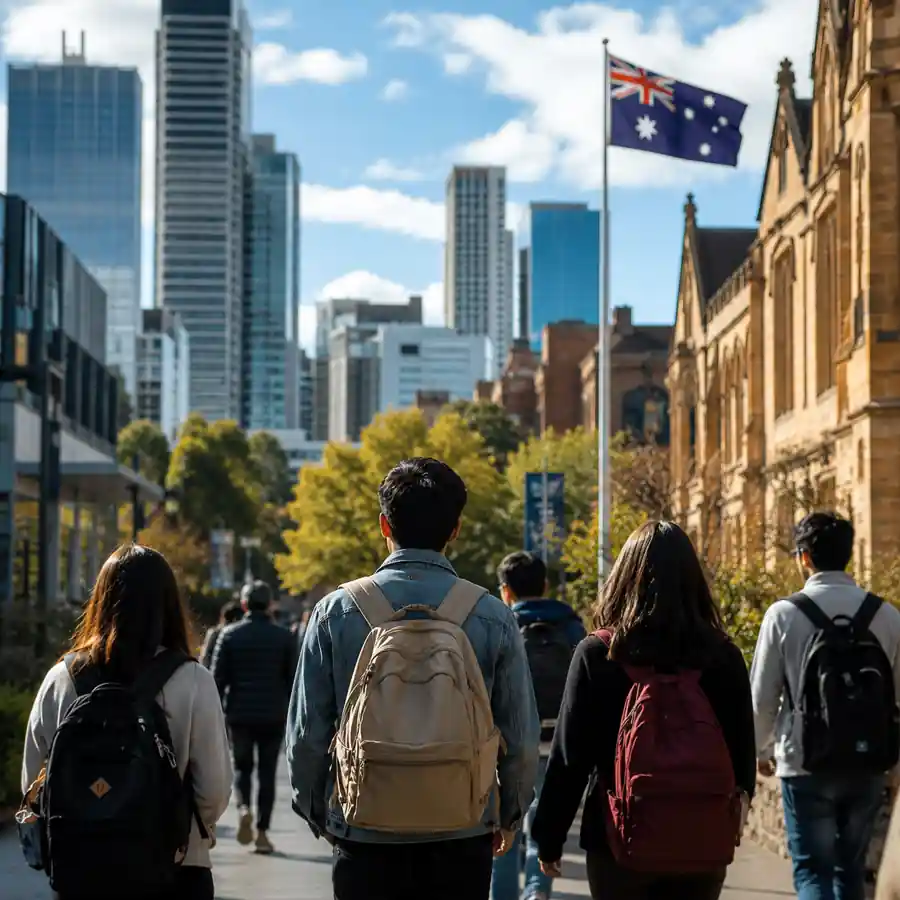

Australia has introduced a 12-month freeze on new CRICOS registrations for private Vocational Education and Training (VET) and English Language Intensive Courses for Overseas Students (ELICOS) providers, a move that could reshape parts of the country’s international education sector over the next year.
The suspension, which took effect on 19 May 2026, will remain in place until 19 May 2027. During this period, new private VET and ELICOS providers cannot apply to become CRICOS registered, and new private VET and ELICOS courses cannot be added to the CRICOS system for international student enrolments.
The decision is one of the most significant regulatory changes affecting Australia’s international education market in recent years and highlights the government’s increasing focus on provider quality, compliance standards and student protection.
What the New CRICOS Freeze Means
CRICOS, or the Commonwealth Register of Institutions and Courses for Overseas Students, is the official register that allows Australian education providers to offer courses to international students studying on student visas. Providers and courses must be listed on CRICOS before overseas students can legally enrol.
Under the temporary suspension, the Australian Skills Quality Authority (ASQA) will not accept new CRICOS registration applications from private VET and ELICOS providers. The pause also prevents the registration of new VET and ELICOS courses intended for international students.
However, the policy does not affect providers that are already registered. Existing CRICOS-approved institutions can continue recruiting international students and delivering approved programs. There is also a limited exemption allowing providers to add a new location for a course that has been officially superseded and replaced by an updated version.
Importantly, applications submitted before 19 May 2026 will continue to be assessed. The suspension only applies to new applications lodged after the freeze came into effect.
Students and education agents can verify approved providers and courses through the official CRICOS register, which remains the most reliable source for checking an institution’s registration status.
Why Australia Has Paused New Registrations
The Australian Government says the temporary measure will allow regulators to focus on existing applications and carry out more detailed integrity checks across the sector. Under the Education Services for Overseas Students (ESOS) Act 2000, education providers must meet strict standards before offering programs to international students.
Authorities argue that maintaining these standards is essential to protecting Australia’s reputation as a global education destination. International education remains one of the country’s largest export sectors, attracting hundreds of thousands of students each year and contributing billions of dollars to the economy.
The freeze also arrives at a time when regulators are paying closer attention to provider compliance, student outcomes and visa integrity. Broader policy changes affecting overseas students and education providers have already signaled a more cautious approach toward sector growth, including the recent Australia international student provider registration freeze.
For international students, the announcement does not mean Australia is closing its doors. Existing CRICOS-approved courses remain available, and students can continue applying to registered providers as normal. The key difference is that fewer new private colleges and new course offerings are likely to enter the market over the next 12 months.
For education businesses, the impact is more significant. New private colleges planning to recruit international students will need to delay their CRICOS ambitions until the suspension period ends. Existing providers looking to expand through entirely new VET or ELICOS course registrations may also face delays.
Read More
The policy may ultimately strengthen confidence in Australia’s international education system by giving regulators more time to assess applications and enforce quality standards. While the short-term effect is reduced market expansion, the long-term objective is to ensure international students enrol with providers that meet Australia’s regulatory and educational expectations.
Students considering Australia should continue to research providers carefully, verify CRICOS registration details and review course information directly through official sources before making any financial commitments. As the sector adapts to the new rules, transparency and compliance are likely to become even more important factors in choosing where to study.

Make Swikblog your go-to source on Google for reliable updates, smart insights, and daily trends.