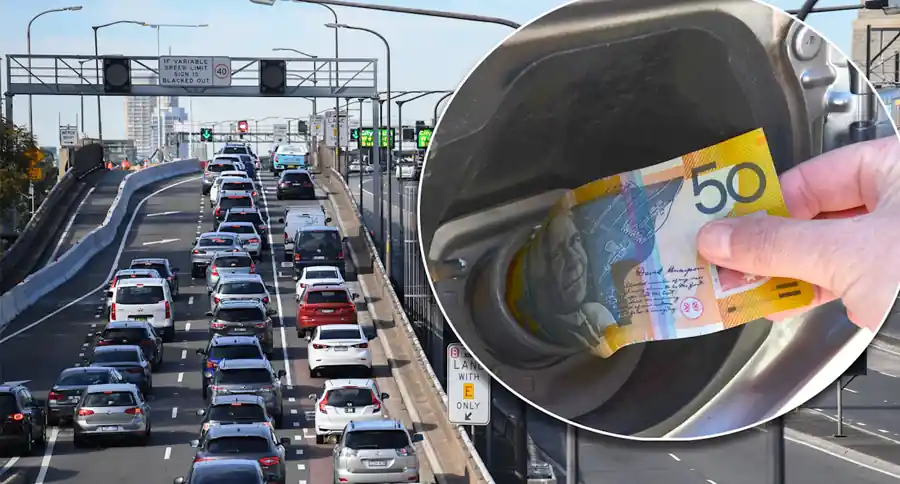

As Australians prepare for the end of the financial year, tax experts are urging drivers to pay close attention to vehicle and travel deductions, warning that some of the most commonly claimed expenses are also among the most frequently challenged by the Australian Taxation Office (ATO).
With the cost of running a vehicle continuing to climb, many workers are looking for legitimate ways to maximise their tax refund. However, understanding what qualifies as work-related travel—and what doesn’t—can make the difference between a valid claim and one that attracts unwanted ATO scrutiny.
The first rule is straightforward: an expense must be directly connected to earning income, paid for by the taxpayer, and not reimbursed by an employer. While that sounds simple, vehicle deductions often become complicated because not every trip taken for work purposes qualifies for a tax claim.
Why Many Drivers Get Vehicle Claims Wrong
One of the biggest misconceptions at tax time is that commuting to and from work is deductible. For most employees, travel between home and a regular workplace is considered private, regardless of how far they travel, what hours they work, or whether they perform minor work-related tasks before leaving home.
By contrast, travel may be deductible when it occurs during the course of employment. This can include travelling between multiple workplaces, visiting clients or customers, moving between job sites, attending work-related training or conferences, or transporting bulky equipment that cannot be securely stored at work.
The distinction is particularly important for occupations such as tradespeople, sales representatives, healthcare workers and consultants who regularly travel throughout the day as part of their duties.
The 88-Cent Rule Explained
For the 2025-26 income year, eligible taxpayers can use the cents-per-kilometre method to claim vehicle expenses. The ATO has set the rate at 88 cents per kilometre, with claims capped at 5,000 business kilometres per vehicle.
This rate already includes major running costs such as fuel, registration, insurance, maintenance, repairs and depreciation. As a result, taxpayers using this method cannot separately claim those expenses. The ATO provides detailed guidance on the cents-per-kilometre method and record-keeping requirements.
Although receipts are not required under this approach, drivers still need evidence showing how their work-related kilometres were calculated. Diaries, rosters, appointment books, work schedules and job records can all help support a claim if questioned by the ATO.
When a Logbook Could Deliver a Bigger Refund
For workers who spend significant time on the road, the logbook method may provide a larger deduction. Instead of using a fixed rate, this method allows taxpayers to claim the business-use percentage of their actual vehicle expenses.
A valid logbook generally needs to be maintained for at least 12 consecutive weeks and should include dates of travel, start and finish odometer readings, kilometres travelled and the purpose of each trip. Once established, the logbook can usually remain valid for up to five years provided work-use patterns remain broadly the same.
Under this method, taxpayers may be able to claim a portion of fuel costs, electric vehicle charging expenses, registration, insurance, servicing, repairs, lease payments, finance interest and depreciation.
Given rising insurance premiums and vehicle ownership costs, many drivers could benefit from comparing both methods before lodging their tax return rather than automatically choosing the simpler option.
Other Travel Expenses You May Be Able to Claim
Vehicle deductions are only one part of work-related travel expenses. Depending on individual circumstances, taxpayers may also be eligible to claim parking fees, tolls, taxi fares, rideshare costs, public transport expenses, accommodation and airfares where the travel is directly related to employment.
However, parking costs associated with a normal commute to a regular workplace are generally considered private and are not deductible.
Interest in work-related deductions has increased following plans for a $1,000 automatic tax deduction for Australian workers, but existing vehicle deduction rules continue to apply and require taxpayers to maintain adequate records.
Read More
ATO Red Flags Drivers Should Avoid
The ATO increasingly uses data matching and analytics to identify claims that appear unusual. Common issues that attract attention include claiming home-to-work travel, estimating kilometres without supporting evidence, claiming 100% business use despite personal travel, failing to maintain a valid logbook and claiming both actual vehicle expenses and the cents-per-kilometre rate for the same vehicle.
As EOFY approaches, reviewing travel records now can help taxpayers avoid mistakes and ensure they are claiming everything they are legally entitled to. In an environment where household budgets remain under pressure, choosing the right claiming method and maintaining proper documentation could make a meaningful difference to a tax refund while reducing the risk of an ATO review.

Make Swikblog your go-to source on Google for reliable updates, smart insights, and daily trends.