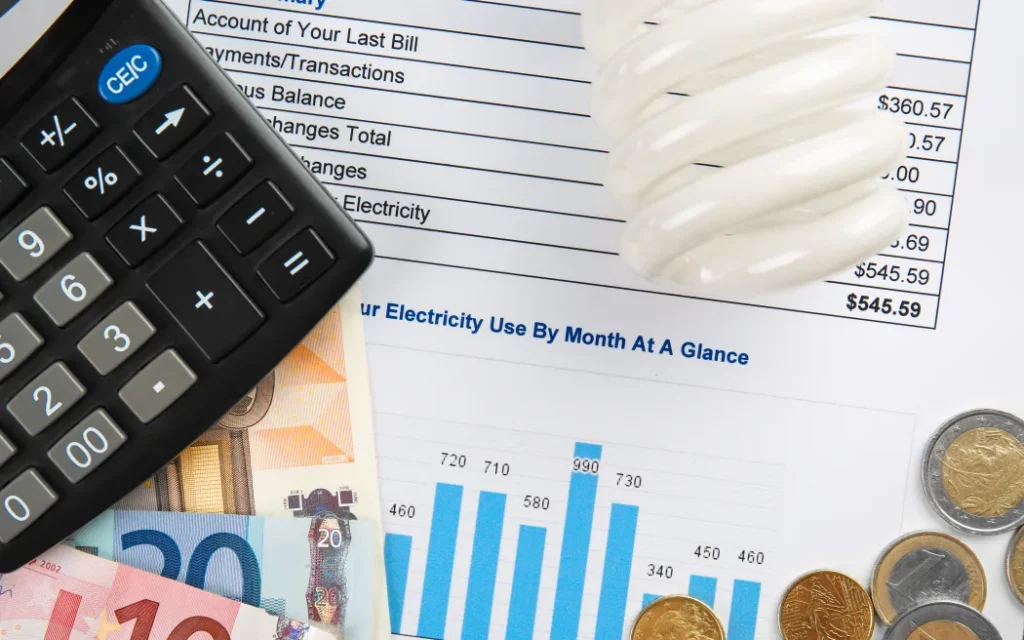

Thousands of New Zealand households receive annual electricity rebate payments, but not everyone realizes those payments can have tax consequences. For some NZ Super recipients and lower-income households, a little-known quirk in the system may have resulted in more tax being deducted than they actually owe, creating the possibility of a refund from Inland Revenue.
The issue affects consumers in parts of New Zealand where local electricity network profits are distributed as taxable dividends rather than provided as a direct discount on power bills. While both approaches return value to consumers, the tax treatment can lead to different outcomes depending on an individual’s income level.
In areas including Auckland’s Entrust region and the Union area of Hawke’s Bay, rebate payments are treated as dividend income. Those payments are generally subject to a withholding tax rate of 33% when distributed. However, many retirees receiving NZ Super fall into lower tax brackets, meaning the amount deducted may exceed their actual tax liability.
Why some pensioners could be entitled to money back
For households living on fixed retirement incomes, the difference between a 33% withholding tax rate and a personal tax rate of 17.5% can be significant. According to information highlighted by tax authorities, a single-person household receiving these dividend-based rebates could potentially be eligible for a refund approaching NZ$80.
While the amount will vary depending on income and the rebate received, the situation highlights how tax withholding does not always match a person’s final tax obligation. Similar situations occur across a range of tax credits and refund programs, where an individual’s final assessment determines whether additional tax is owed or whether money should be returned. Understanding how tax refund processing works can help taxpayers identify opportunities they might otherwise overlook.
The challenge is that many recipients may assume the tax deducted from the dividend payment is already correct. Because the rebate arrives automatically, there is often little reason for consumers to question whether the withholding rate accurately reflects their personal tax position.
According to Inland Revenue, affected individuals generally need a dividend certificate containing their personal details if they wish to request an adjustment. Taxpayers can then review their assessment through myIR and add the income type as “NZ dividend” where required.
The issue has drawn attention from Entrust, which distributes electricity network dividends to eligible households in Auckland. The trust has argued for years that beneficiaries are being disadvantaged by the current structure and has pushed for a fairer outcome through discussions with Inland Revenue, engagement with successive governments, a public petition and submissions to Parliament’s Petitions Select Committee.
One reason the situation remains complicated is the way the payments are structured. The dividend is distributed at a household level, while tax obligations are calculated on an individual basis. In addition, Entrust has noted that the Vector dividends it receives and passes on to beneficiaries can fall into different income years, making the tax treatment more difficult for some people to understand.
Industry body Electricity Networks Aotearoa says lines companies typically apply standard withholding tax rules because they do not have access to each recipient’s personal tax information. As a result, companies generally follow Inland Revenue requirements and leave any adjustments to be handled through the tax system.
For retirees, the takeaway is straightforward. Anyone who receives an electricity rebate as a taxable dividend rather than a power bill credit may benefit from reviewing their tax records. This is particularly relevant for residents in Entrust and Union distribution areas where the rebate is treated as dividend income.
Read More
Those uncertain about their eligibility should review their dividend documentation, check their myIR account and seek professional advice if necessary. Official guidance on dividend income, tax assessments and refund claims is available through the Inland Revenue Department.
With household budgets continuing to face pressure from higher living costs, even relatively modest refunds can make a difference. For some NZ Super recipients, taking a few minutes to review how their electricity rebate was taxed could reveal money that would otherwise remain unclaimed.

Make Swikblog your go-to source on Google for reliable updates, smart insights, and daily trends.