
By Chetan Sharma
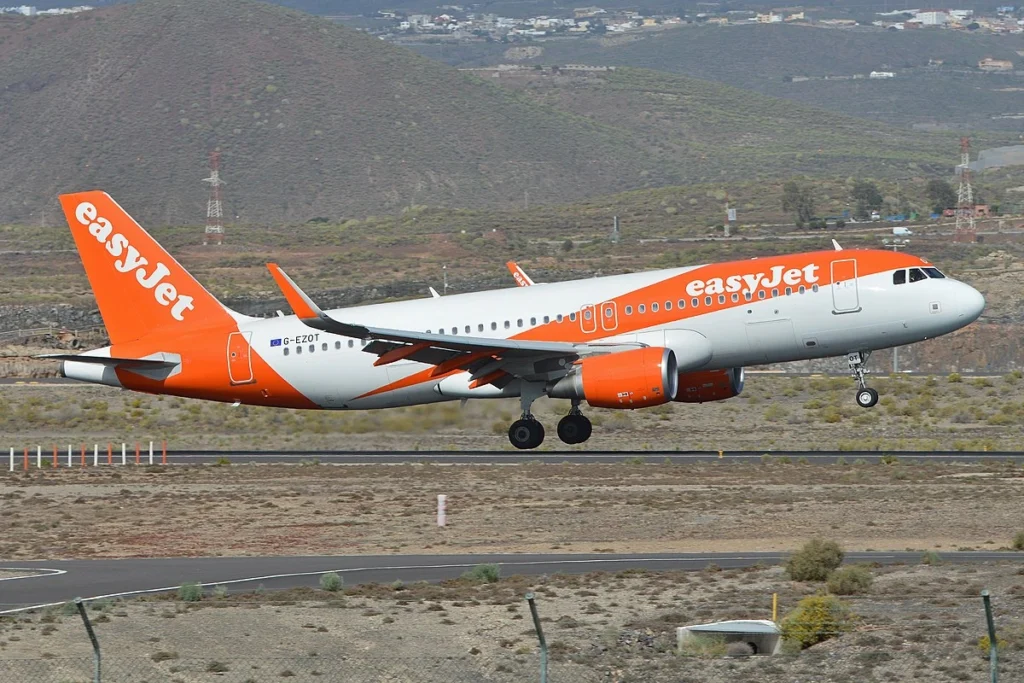
An EasyJet flight carrying 180 passengers and six crew members departed from the wrong runway position at London Luton Airport after pilots used a take-off point that did not match the aircraft’s performance calculations, according to a UK aviation safety investigation.
The incident involved EasyJet flight EZY2335, an Airbus A320-214 operating between Luton and Málaga on 13 June 2025. Although the aircraft completed both the outbound and return flights safely, investigators found the crew used a shorter departure distance than the one calculated during pre-flight planning, reducing an important safety margin during take-off.
The findings from the Air Accidents Investigation Branch offer a detailed look at how routine habits and cockpit assumptions can influence decision-making even when no technical fault exists.
A Calculation That Required the Full Runway
The Airbus A320, registered G-EZUK, was operating at approximately 68.9 tonnes, making it heavier than usual for the flight. During pre-departure preparations, the first officer initially attempted to calculate take-off performance using Intersection Alpha on Runway 25.
That calculation showed the aircraft did not have sufficient performance margins for departure from the intersection under the conditions at the time. The crew then recalculated using the full runway length, which gave acceptable take-off performance.
Weight and runway performance calculations play a critical role in flight safety. Similar operational challenges involving aircraft weight and departure restrictions have highlighted how closely airline operations depend on accurate performance planning.
Despite completing the correct calculation, the crew later departed from Intersection Alpha instead of using the full runway as planned.
How the Crew Ended Up Using the Wrong Position
According to investigators, the departure point was not specifically revisited during the take-off briefing. Later, air traffic control asked whether the flight could depart from Intersection Alpha, and the captain agreed.
The AAIB said the captain had conducted multiple intersection departures in recent operations, making the request appear routine. The first officer did not challenge the decision, and the mismatch between the approved performance calculation and the actual departure position went unnoticed.
Investigators also found that three aircraft ahead of the EasyJet flight had departed from the same intersection. Seeing those departures may have reinforced the crew’s expectation that Intersection Alpha was the correct choice.
Another flight crew requested a full-length departure before the EasyJet aircraft lined up, but that radio transmission did not prompt the pilots to recheck their own departure requirements.
Why the 65-Foot Clearance Drew Attention
Departing from Intersection Alpha reduced the available take-off distance by 211 metres, leaving 1,771 metres available rather than the full runway length used in the calculations.
The aircraft accelerated normally, became airborne and continued to Málaga without any operational issues. However, EasyJet’s flight-data monitoring system later detected that the A320 crossed the opposite runway threshold at only 65ft above the ground.
That unusually low clearance triggered a review after the aircraft returned to Luton later the same day. By the time the captain was informed, the cockpit voice recorder had already overwritten the relevant audio recording.
Airbus subsequently reviewed the event and concluded there was no runway overrun risk, including under rejected take-off scenarios. Even so, investigators considered the incident important because it showed how several missed cross-checks can narrow safety margins.
What the Investigation Revealed About Human Factors
The AAIB concluded that the event was primarily linked to habitual behaviour and confirmation bias rather than a technical problem with the aircraft.
Confirmation bias can occur when people interpret events in a way that supports what they already expect to happen. In this case, repeated intersection departures, other aircraft using the same position and a familiar air traffic control request may all have supported the wrong mental picture.
The pilots may also have been occupied with other pre-departure duties, although investigators found no evidence that they were under time pressure.
EasyJet Changes Procedures After the Incident
EasyJet reviewed its take-off performance procedures after the incident. The airline amended its process so pilots record the runway intersection used for performance calculations, allowing the departure point to be checked during taxi and again before lining up for take-off.
The airline said it fully assisted the investigation and said its pilots are trained to high industry standards, with passenger and crew safety its highest priority.
Read More
The case also follows another wrong-position take-off at Luton on 22 April 2025, when a different aircraft reportedly cleared the runway by just 13ft. Together, the incidents underline why runway entry points and performance data must be verified with precision before departure.
For official UK aviation accident reports, visit the Air Accidents Investigation Branch.

Make Swikblog your go-to source on Google for reliable updates, smart insights, and daily trends.