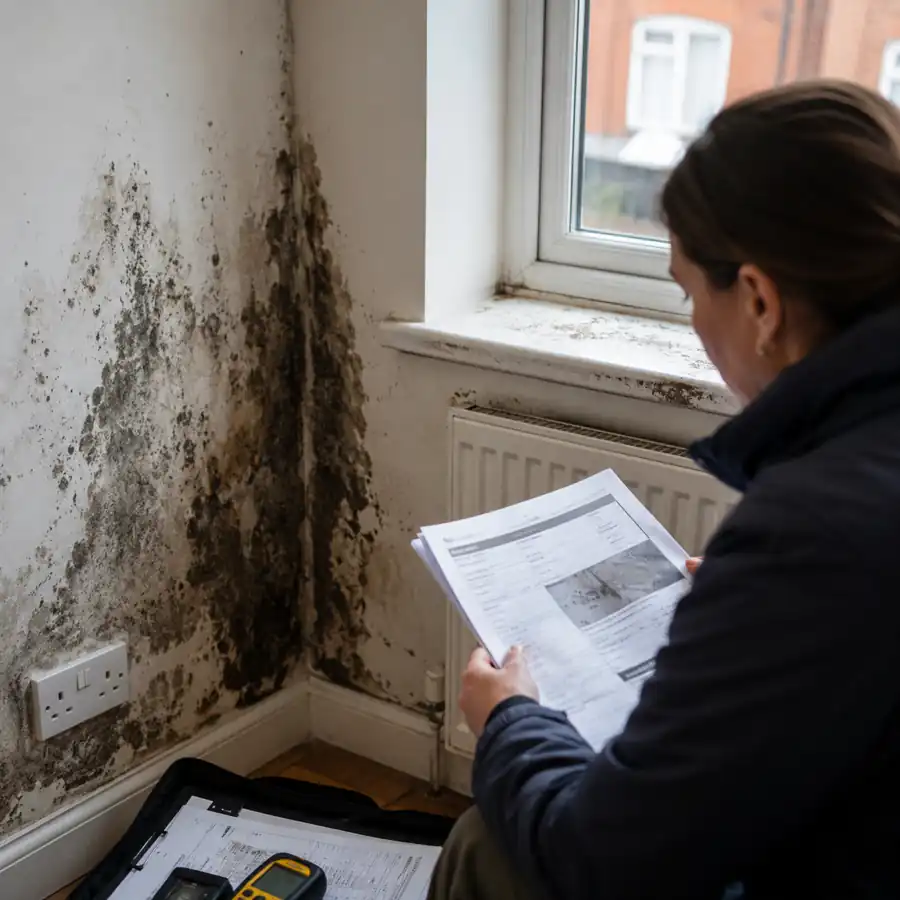

Landlords in England are entering a new era of housing enforcement after councils were given the power to issue fines of up to £7,000 for failing to address serious safety hazards in privately rented homes. The change, which took effect on June 22, is part of the government’s wider effort to improve rental housing standards and strengthen protections for tenants.
The new penalty targets some of the most persistent problems reported by renters, including severe damp and mould, unsafe electrical systems, structural defects, fire hazards and homes that are dangerously cold. Officials say no family should be forced to live in conditions that put their health or safety at risk.
The move forms part of broader reforms under the Renters’ Rights Act, which is reshaping the relationship between landlords, tenants and local authorities across England.
New Financial Penalties Raise the Stakes for Landlords
While councils already have powers to order repairs, undertake emergency works and recover costs from landlords, the new £7,000 penalty adds a direct financial consequence for failing to act when serious hazards are identified.
Housing Secretary Steve Reed has urged councils to use the powers available to them, describing safe housing as a basic expectation rather than a privilege. The government believes stronger enforcement can help improve conditions in the private rental sector, where complaints about disrepair and unsafe living environments remain common.
For landlords, the message is straightforward. Ignoring significant repair issues could now result in substantial penalties alongside other enforcement actions.
Damp and Mould Remain a Major Concern
Although the new rules cover a wide range of hazards, damp and mould have become a particular focus in recent years. Health experts have repeatedly warned that prolonged exposure can worsen respiratory conditions and create serious health risks for children, older adults and vulnerable tenants.
Many housing campaigners argue that damp and mould are often symptoms of wider property problems, including leaks, poor insulation, inadequate ventilation or structural defects. Addressing the root cause rather than simply covering visible signs of mould is increasingly becoming a key expectation for responsible landlords.
According to official government guidance on private renting repairs, landlords are responsible for maintaining the structure of rented properties and ensuring essential systems remain in proper working order.
Updated Housing Safety Rules Take Effect This Week
The introduction of the new fines is being followed by another significant change. On June 23, the updated Housing Health and Safety Rating System (HHSRS) comes into force across England.
The HHSRS is the framework used by councils to assess health and safety risks within residential properties. The revised system is designed to help local authorities identify hazards more consistently and respond more quickly when dangerous conditions are found.
By modernising the assessment process, the government hopes councils will be better equipped to tackle poor housing conditions before they become more serious.
Why the Reforms Matter for Renters
The changes arrive during a period of growing pressure on households. Rising housing costs, affordability challenges and limited rental supply have left many tenants with fewer options when dealing with poor living conditions. At the same time, the wider housing market continues to face financing pressures, with mortgage rates nearing their highest levels of 2026, adding to costs across the property sector.
Tenant groups believe the new enforcement powers could help address long-standing problems that have persisted in parts of the rental market. They argue that stronger penalties create a greater incentive for landlords to deal with hazards before councils become involved.
The reforms also coincide with the scrapping of Section 21 “no-fault” evictions. Housing campaigners say this could make tenants more willing to report serious disrepair because they may feel less vulnerable to retaliatory eviction.
Housing Campaigners Welcome the Changes
Generation Rent has described the £7,000 penalty as an important step toward improving housing standards but stressed that councils must actively enforce the new rules if renters are to see meaningful benefits.
The Renters’ Reform Coalition has also backed the measures, arguing that too many people continue to live in substandard homes that can damage health and wellbeing. The group believes stronger enforcement powers, updated safety standards and expanded tenant protections could collectively improve conditions across the private rental sector.
Read More
The Real Test Will Be Enforcement
The success of the new policy is likely to depend on how consistently local authorities use the powers available to them. Councils already face resource and staffing pressures, meaning enforcement levels may vary between regions.
Nevertheless, the introduction of the £7,000 penalty marks one of the most significant recent shifts in housing enforcement. For landlords, it increases the financial risks of ignoring serious hazards. For renters, it signals a stronger commitment from policymakers to ensure that privately rented homes meet acceptable safety and health standards.

Make Swikblog your go-to source on Google for reliable updates, smart insights, and daily trends.