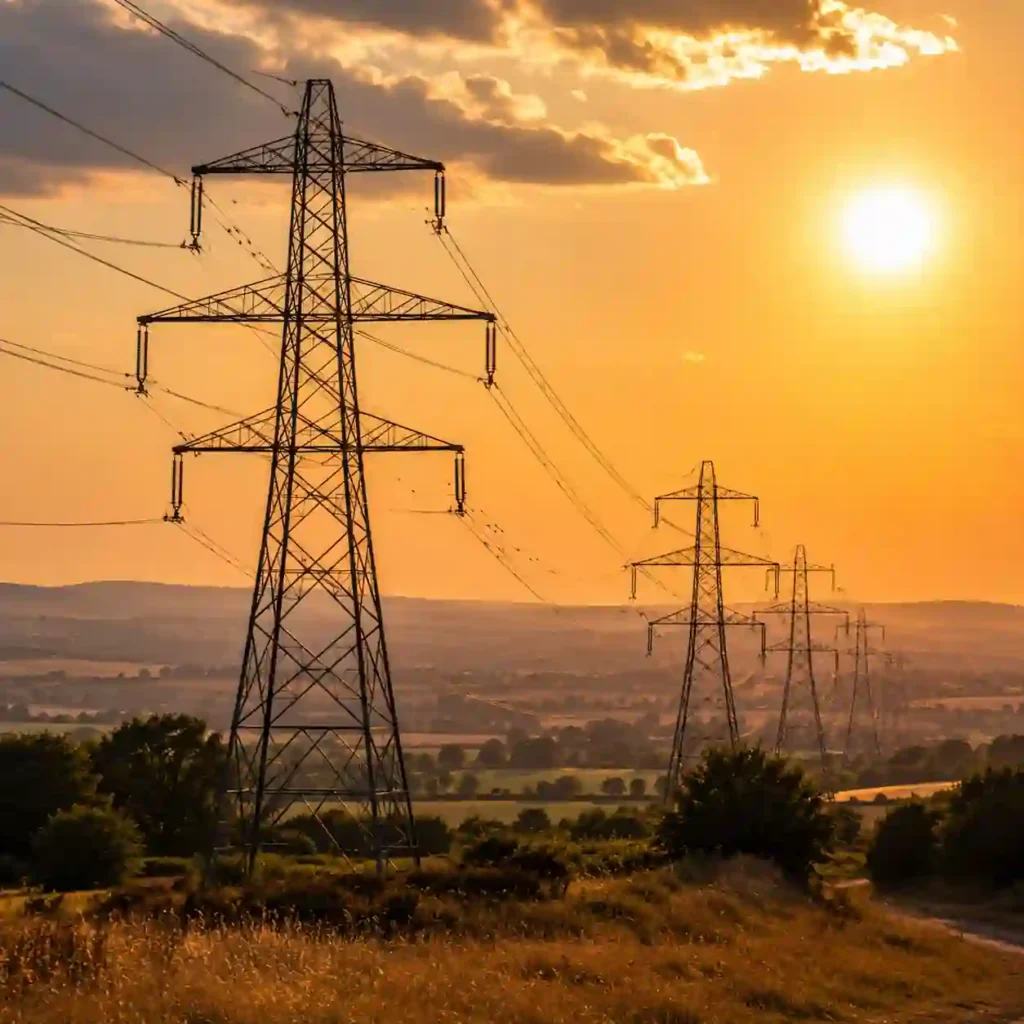

Britain’s electricity grid operator has issued a rare summer system warning as extreme heat, low wind generation and growing wildfire risks put fresh pressure on the country’s power network.
The National Energy System Operator (Neso) issued an Electricity Margin Notice for Wednesday evening, covering the period between 7pm and 10pm. The alert asks the electricity market to make more capacity available if needed, helping the system respond if supply margins become tight during peak demand.
Neso stressed that the notice is a routine tool and does not mean electricity supply is at risk. However, the move is unusual because such notices are typically issued during winter, when heating demand is at its highest.
The warning comes as a heat dome stretching across western Europe pushes temperatures toward 40°C in parts of England and Wales. The same weather pattern has brought extreme conditions across several European countries, increasing pressure on energy infrastructure beyond Britain.
Why Britain’s Electricity Grid Issued a Rare Summer Warning
Neso said forecasts showed tight electricity margins because of extremely high temperatures affecting both Great Britain and continental Europe, combined with low wind generation.
Britain increasingly relies on renewable energy, particularly wind power. During periods of calm weather, wind farms generate less electricity, reducing available supply. At the same time, demand rises as households, offices, retailers and businesses use more fans, refrigeration equipment and air conditioning systems to stay cool.
The Electricity Margin Notice is designed to encourage additional generation capacity to become available before supply becomes constrained. Neso emphasized that the warning is precautionary and should not be interpreted as an indication that blackouts are expected.
Further information about Britain’s electricity balancing system is available from the National Energy System Operator.
Read More
How Extreme Heat Can Affect the Electricity Network
Heatwaves create challenges across the energy sector that go beyond higher demand.
Very high temperatures can reduce the efficiency of nuclear power plants, gas-fired generation facilities and water-cooling systems used throughout the electricity network. When temperatures climb toward record levels, equipment often operates less efficiently than under normal conditions.
Transmission infrastructure can also be affected. Overhead power lines expand as temperatures rise, causing cables to sag closer to vegetation below. During dry conditions, that increases the risk of faults and fire-related disruptions.
While electricity system warnings are often associated with winter cold spells, energy experts increasingly view summer heatwaves as an emerging challenge for grid operators across Europe.
Wildfires Are Becoming a Growing Threat to Power Infrastructure
Alongside immediate supply concerns, Neso has warned that wildfires are becoming a more significant risk to electricity infrastructure.
According to the operator, wildfire incidents have increased by around 600% over the past two years. Dry summers, prolonged heat and changing weather patterns have left more areas vulnerable to major fires.
The UK’s transmission network includes approximately 13,000 miles of high-voltage power lines supported by around 22,000 pylons. Many of these routes cross moorland, forests and rural landscapes that can become tinder-dry during extended hot weather.
One growing concern is a phenomenon known as a flashover. Smoke from wildfires can interfere with high-voltage transmission systems, allowing electricity to arc through polluted air and triggering safety systems that automatically disconnect parts of the network. This can result in localized power cuts even if infrastructure has not been directly damaged by flames.
If fires reach transmission lines or pylons, the consequences can be more severe. Extreme heat can weaken metal components, cause cables to sag further and in some cases lead to expensive repairs or replacement work.
Recent UK Wildfires Highlight the Risks
Several recent incidents have demonstrated how extreme weather can affect electricity infrastructure.
The Daviot wildfire south of Inverness in Scotland affected local overhead power lines, causing widespread electricity interruptions for rural homes and businesses. A significant woodland fire near Wareham in Dorset also disrupted local electricity supplies after intense heat and smoke affected nearby transmission equipment.
A fire near Arthur’s Seat in Edinburgh burned for almost two days, while major blazes have also affected parts of Wales, Cumbria and the Scottish Highlands in recent years.
Last spring was officially the worst wildfire period recorded in the UK, with more than 185 square miles burned. More than 120,000 acres of countryside were burned across England and Wales during 2025, underlining the growing scale of the threat.
The latest warning also comes as policymakers and industry leaders examine broader electricity security challenges. Questions about maintaining reliable supplies during periods of lower renewable output have gained attention in recent months, including concerns about potential pressure on the UK’s electricity network during periods of reduced generation capacity.
Experts Warn Climate Risks Could Increase
Climate hazards professor Bill McGuire of University College London has warned that temperatures above 40°C could become more common in future decades.
He argues that prolonged heatwaves could create increasing pressure on energy infrastructure, transport systems and public services that were originally designed for a cooler climate. According to McGuire, repeated periods of extreme heat may increase the likelihood of cable sagging, infrastructure failures and wider operational disruptions.
Industry groups have also raised concerns that wildfire risks could affect future plans to expand electricity transmission networks as Britain works toward its net-zero targets.
What the Warning Means for Households
For households and businesses, the immediate message remains reassuring. Neso has not warned of imminent power cuts and continues to describe electricity supplies as secure.
Nevertheless, the rare summer warning highlights how extreme heat is becoming a more important factor in energy planning. Low wind output, higher cooling demand, wildfire risks and aging infrastructure can all reduce the safety margins available to grid operators.
The Electricity Margin Notice is intended to strengthen the system before problems emerge. While consumers are unlikely to notice any direct impact, the warning offers another reminder that climate-related weather extremes are creating new challenges for the networks that power modern life.

Make Swikblog your go-to source on Google for reliable updates, smart insights, and daily trends.