
Updated: July 1, 2026
Australian biosecurity authorities are waiting for final laboratory results after a wild seabird in Western Australia tested positive for avian influenza during initial screening, raising the possibility that the country could record its first mainland detection of the highly pathogenic H5 bird flu virus.
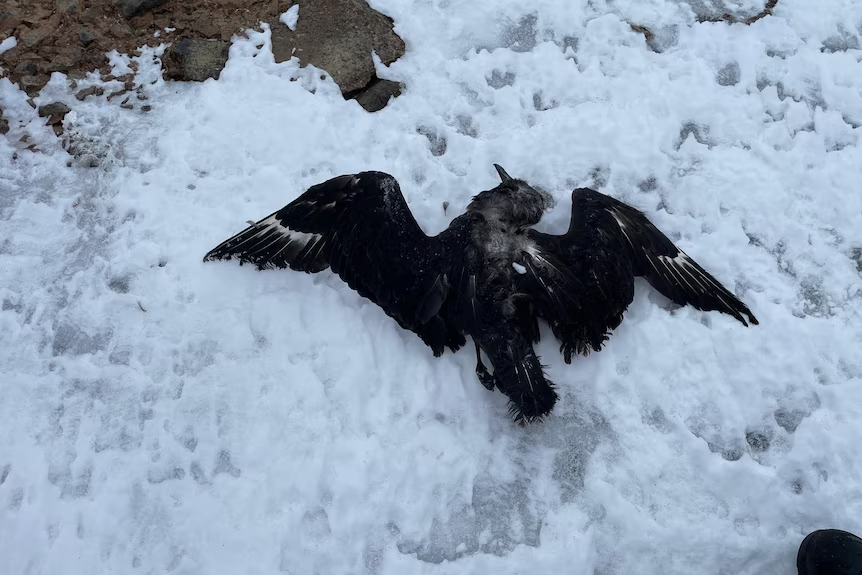
The bird, a brown skua, was found unwell near Cape Le Grand National Park outside Esperance on Western Australia’s south coast. Preliminary testing identified avian influenza, but specialists at the CSIRO’s Australian Centre for Disease Preparedness are now carrying out confirmatory testing to determine the exact virus strain.
Officials have stressed that the investigation is still ongoing and that the H5 subtype has not yet been confirmed. Even so, the suspected case has triggered heightened surveillance because Australia has so far avoided a confirmed mainland outbreak of the H5 virus responsible for major wildlife and poultry losses across many parts of the world.
Why this investigation matters
The suspected infection involves a single wild migratory bird rather than a farm or poultry facility, but scientists have long identified migratory birds as one of the most likely ways highly pathogenic avian influenza could eventually reach mainland Australia.
If the laboratory confirms the virus is H5, Australia would lose its position as the only continent without a confirmed mainland detection of the strain. The result would represent an important milestone for the country’s biosecurity monitoring rather than evidence of a widespread outbreak.
Authorities are also testing another sick bird found in the same area while wildlife surveillance continues around the south coast of Western Australia.
What officials know so far
At this stage, there have been no reports of unusual numbers of dead birds or large wildlife die-offs linked to the suspected case on mainland Australia.
Authorities have also confirmed there is no indication that commercial poultry farms have been infected. The investigation remains focused on wildlife while laboratory experts work to identify the virus subtype.
Australia has maintained extensive monitoring programs for avian influenza for years, allowing authorities to respond quickly whenever infected or sick wild birds are detected.
How H5 bird flu became a global wildlife concern
Highly pathogenic H5 avian influenza has spread far beyond poultry farms over the past several years. The virus has circulated through migratory bird populations across Europe, North America, South America and Antarctica, reaching areas that had never previously recorded similar outbreaks.
Scientists have documented infections in numerous wild species, including seabirds, ducks, geese, seals, sea lions, foxes and several marine mammals. Those events have demonstrated how wildlife migration can transport the virus across international borders and remote ecosystems.
The growing international spread has been one reason Australian authorities have continued expanding surveillance efforts in coastal regions and along major migratory bird pathways. More information about broader Australian environmental issues provides additional context on the country’s wildlife conservation challenges.
Lessons from recent wildlife outbreaks
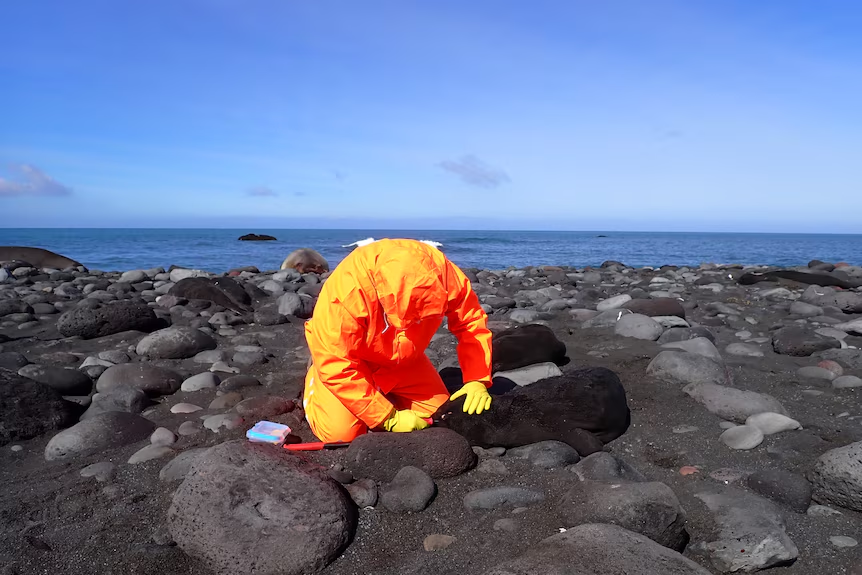
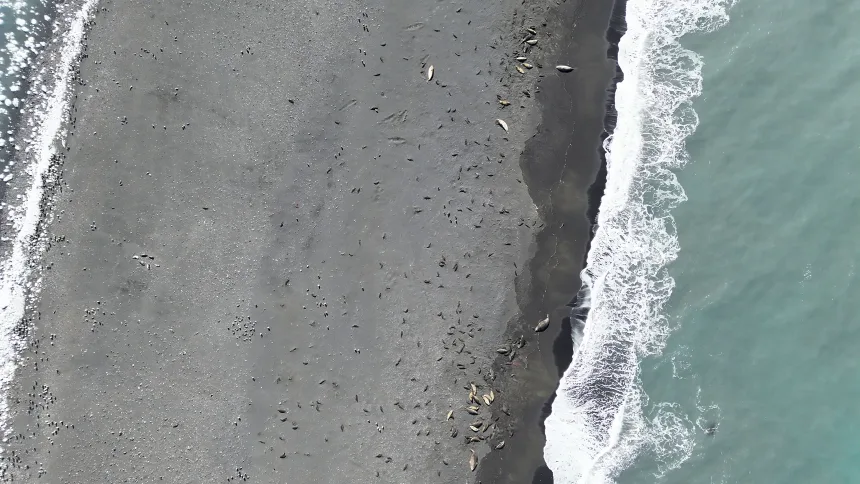
Recent outbreaks on Australia’s remote Heard and McDonald Islands highlighted how severe the virus can become once it reaches vulnerable wildlife populations.
Researchers estimated that more than 13,000 southern elephant seal pups died after avian influenza reached the islands. Scientists also recorded increased deaths among king penguins and several seabird species, illustrating that the disease can affect entire ecosystems rather than birds alone.
Those events strengthened planning efforts across Australia as wildlife agencies prepared for the possibility of future detections on the mainland.
What a confirmed case could mean for farming
The current investigation does not involve commercial poultry, but the agricultural sector is closely following developments.
Large H5 outbreaks overseas have led to the destruction of millions of chickens and other poultry, affecting food production, egg supplies and international trade. Australia’s strict quarantine measures and disease surveillance have helped prevent similar impacts to date.
If H5 is confirmed, authorities are expected to increase monitoring around poultry operations, wetlands and locations visited by migratory birds while assessing whether any additional containment measures are necessary.
Read More
Public health advice remains unchanged
Australian health authorities continue to describe the risk to the general public as low. Human infections with H5 avian influenza remain uncommon and usually occur after prolonged, close contact with infected birds or contaminated environments.
People are advised not to handle sick or dead birds and should report unusual wildlife deaths through the appropriate state or territory authorities. Anyone who develops symptoms after possible exposure should seek medical advice and mention their contact with birds.
Confirmatory laboratory results are expected to determine whether the Western Australian case involves the highly pathogenic H5 strain or another form of avian influenza. Until those findings are released, authorities say surveillance and precautionary measures will continue while Australia’s biosecurity systems remain on alert.
Official guidance and future updates are available through the Australian Government’s bird flu information portal at birdflu.gov.au.

Make Swikblog your go-to source on Google for reliable updates, smart insights, and daily trends.