
Updated: July 1, 2026
Victoria’s long-running public school pay dispute has entered a new phase after teachers voted down a wage agreement backed by the state government, raising the prospect of further industrial action before the November state election.
Members of the Australian Education Union (AEU) rejected the proposed enterprise agreement by 57.7%, despite an offer that would have increased teacher salaries by around 28% to 32% over four years. The outcome leaves Premier Jacinta Allan and Education Minister Ben Carroll facing renewed negotiations at a time when education is expected to be a major election issue.
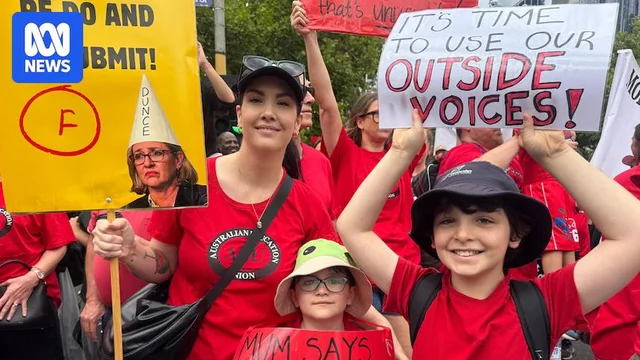
While the size of the proposed pay increase attracted attention, many teachers said the ballot reflected broader concerns over workload, staffing shortages and classroom conditions rather than salary alone.
Teachers say workload remains the biggest concern
The rejected agreement would have lifted the salary of an experienced classroom teacher from approximately $118,063 to about $151,419 by 2029. The Allan government argued the proposal would place Victorian teachers among Australia’s highest-paid educators.
Many teachers, however, argued that higher salaries alone would not solve the pressures affecting public schools. Members have repeatedly pointed to growing administrative work, teacher shortages, planning requirements, large classes and increasing responsibilities outside classroom teaching.
The union had previously sought a 35% pay rise over three years together with stronger protections around workload. Although union leadership recommended accepting the revised offer, members ultimately voted against it.
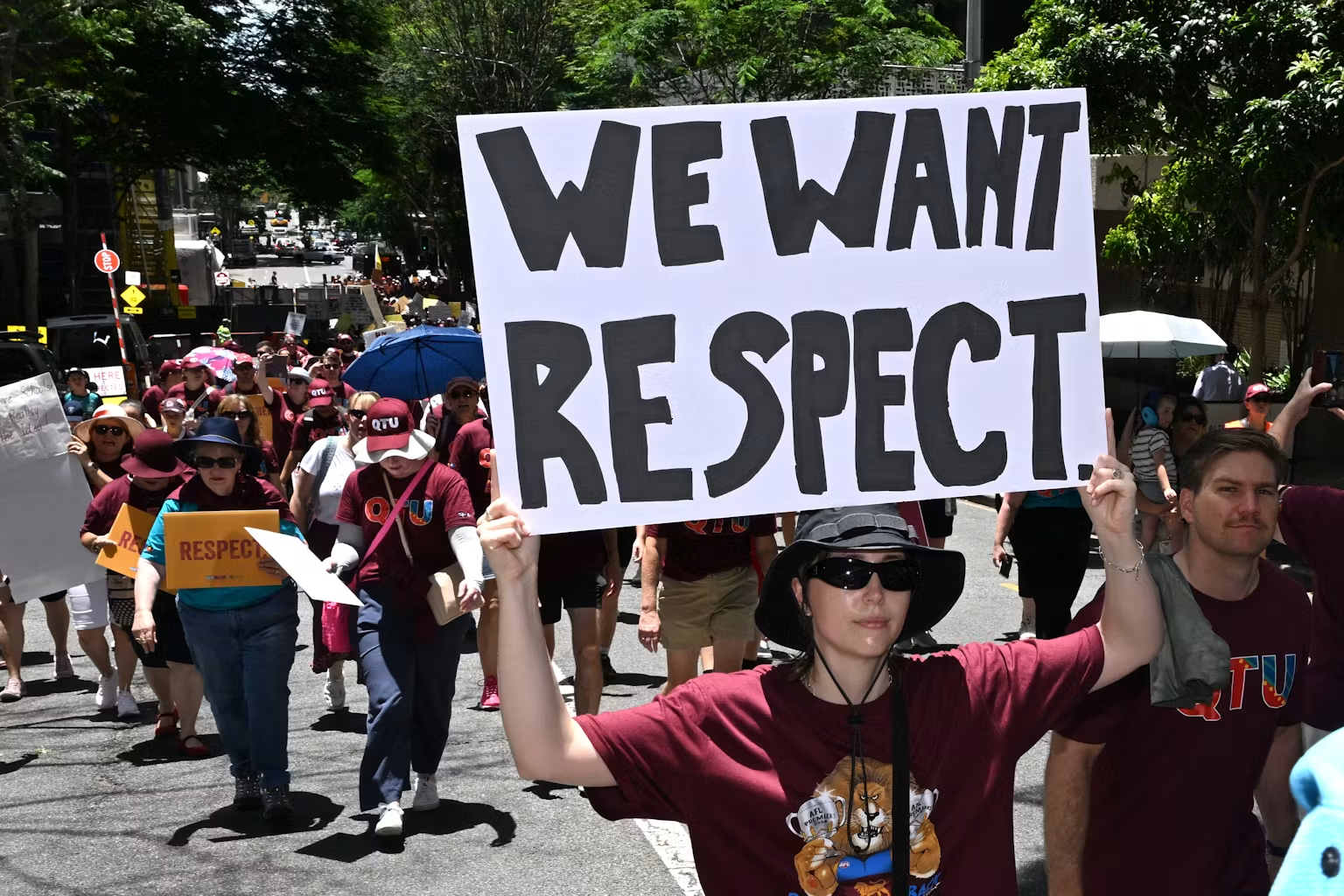
The dispute has been building for months. In March, more than 30,000 teachers and education staff participated in statewide industrial action that affected hundreds of schools across Victoria. The earlier dispute centred on many of the same issues discussed in this report on the Victorian teachers strike and 35% pay demand.
What the vote means: The result suggests many teachers believe meaningful workplace reforms are just as important as salary increases when deciding whether to support a new enterprise agreement.
Political pressure grows ahead of the election
The failed agreement creates another challenge for the Allan government as Victoria moves closer to the November state election. A fresh round of strikes or school disruptions could quickly become a major political issue, particularly for families who depend on public schools.
Education Minister Ben Carroll has defended the proposal, saying it represented a substantial investment while recognising the state’s broader financial pressures. At the same time, the government has indicated there are limits to how much additional funding can be committed across the public sector.
The union maintains that the ballot demonstrates members want further negotiations on both pay and working conditions before any agreement can be finalised.
What could happen next
The Australian Education Union is expected to consult members on possible next steps, including whether to pursue additional industrial action during term three. Any renewed stoppages would likely affect school operations while negotiations continue.
Beyond the current dispute, Victoria faces a broader challenge shared by education systems across Australia: attracting new teachers while keeping experienced educators in the profession. Pay remains one part of that discussion, but workload, wellbeing and classroom support continue to play a central role.
According to reporting by the ABC, the rejected agreement has reopened negotiations between the Victorian government and the union after months of bargaining.
Whether the two sides can reach a compromise in the coming weeks will determine if classrooms remain focused on teaching or face another period of industrial disruption during an important political year.

Make Swikblog your go-to source on Google for reliable updates, smart insights, and daily trends.