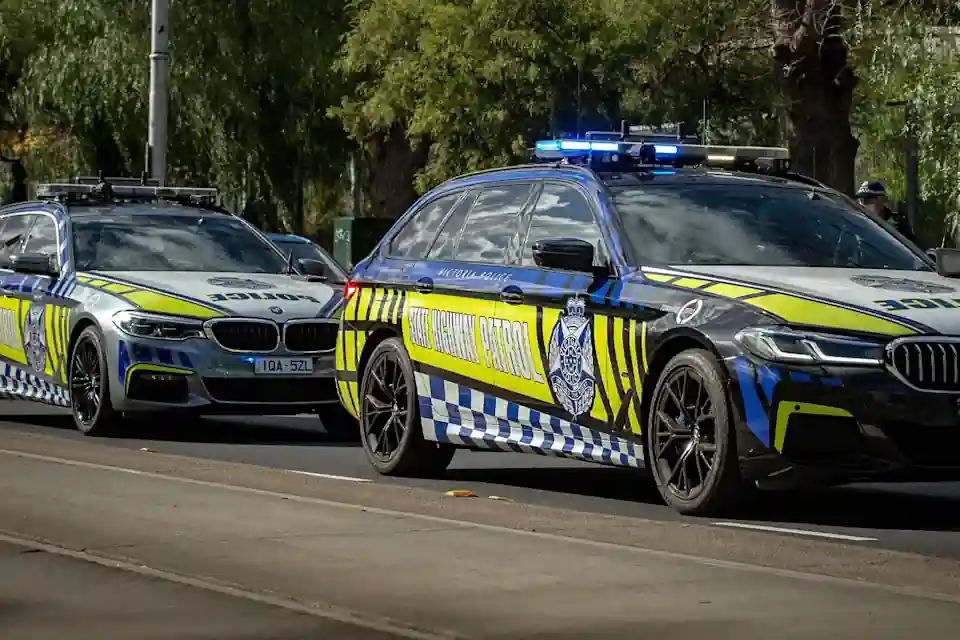

Victoria Police will trial solo highway patrols later in 2026, marking the first major return to single-officer patrols in about 11 years and reigniting debate over whether greater police visibility on roads can be achieved without compromising officer safety.
The proposed change would allow selected highway patrol officers to work alone while remaining close to another patrol unit. Victoria Police says the model is designed to increase the number of visible patrol vehicles without changing the total number of officers on duty.
The announcement has drawn strong criticism from the Police Association Victoria, which argues the existing two-officer system was introduced after lessons learned from the death of a frontline officer. For Victorian motorists, the trial will not introduce new road rules or fines, but they could see more marked highway patrol vehicles across major roads.
How the solo highway patrol trial would work
Victoria’s highway patrol officers normally work in pairs, although single-member patrols are currently allowed in limited circumstances.
Under the proposed trial, officers would patrol alone using a “proximity patrol” model. Rather than travelling together, another highway patrol vehicle would operate nearby and be available to provide assistance if required.
Victoria Police says the goal is to spread existing officers across more patrol vehicles, increasing police visibility while maintaining the same staffing levels. Before the trial begins, the force will consult employees and complete occupational health and safety assessments.
Why Victoria Police wants to bring back solo patrols
Assistant Commissioner Mick Hermans said the proposal is intended to create a stronger police presence on Victorian roads.
Police believe more visible patrol cars can discourage speeding, drink-driving and other dangerous behaviour by increasing the likelihood that motorists will encounter enforcement officers.
Hermans said a highly visible police presence can contribute to reducing road trauma and stressed that the proposal is not related to officer shortages. According to Victoria Police, the same number of members will be deployed under the new model.
More information about Victoria Police traffic enforcement is available through the official Victoria Police Road Policing division.
Why the proposal is controversial
The plan has reopened debate because routine solo highway patrols were phased out after the 2005 murder of Senior Constable Anthony Clarke during a roadside stop in the Yarra Ranges.
In 2010, Coroner Kim Parkinson found that Clarke working alone was one of several contributing factors in the incident. The findings eventually led Victoria Police to adopt the current two-officer highway patrol model, which became standard practice in 2015.
The proposed trial would therefore represent the first significant return to solo highway patrols in more than a decade.
Police Association raises safety concerns
Police Association Victoria chief executive Wayne Gatt says the organisation will not support a policy that increases risks for frontline officers.
He described the proposal as a “high-risk, low-reward gamble”, arguing that roadside stops can quickly become dangerous when officers encounter aggressive motorists, impaired drivers, stolen vehicles or wanted offenders.
With two officers present, one member can engage with the driver while the other monitors passengers, gathers information or requests assistance. Critics argue those responsibilities become more difficult when an officer is working alone, even if another patrol car is nearby.
Victorian Opposition police spokesman Brad Battin has also questioned the proposal, saying he does not believe solo highway patrols would have been discontinued if they had been considered sufficiently safe.
What the trial means for drivers
Motorists should not expect new traffic laws, higher speeding fines or additional police powers because of the trial.
The main difference is likely to be a greater number of marked patrol vehicles operating across Victoria’s road network. Police hope the increased visibility will encourage better compliance with road rules and improve road safety.
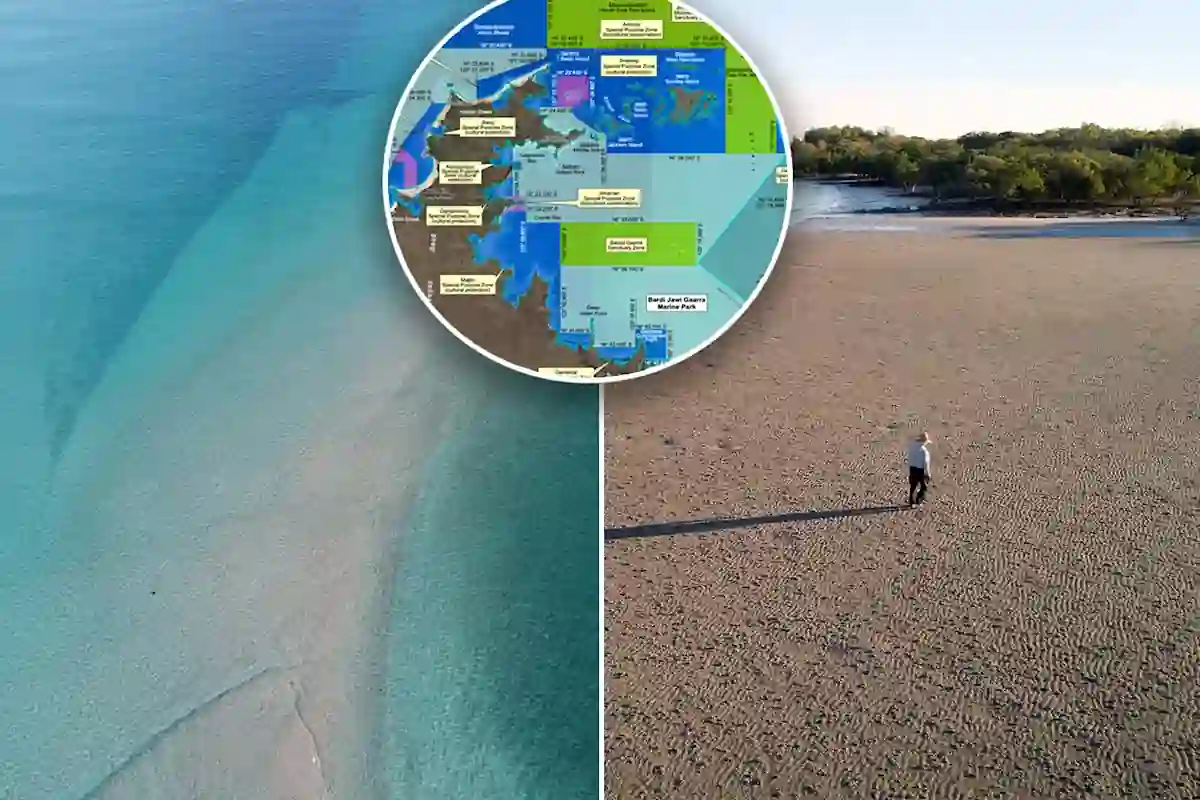
Governments across Australia are introducing new compliance measures in other areas as well. Western Australia, for example, is implementing new marine park fishing rules with $400 penalties, reflecting a broader focus on public safety and regulatory enforcement.
Read More:
- How Telstra customers can claim compensation after the nationwide outage
- NSW issues stay-away order to protect southern right whales
- Visit the Swikblog homepage for more latest news
Victoria Police has not announced an exact start date, trial locations or how long the program will run.
Before implementation, the force will complete workforce consultation and occupational health and safety assessments to determine how the proximity patrol model should operate.
Any permanent decision is expected to depend on the trial’s results, including officer safety, operational effectiveness and feedback from participating members.
Timeline
- 2005: Senior Constable Anthony Clarke is killed during a roadside stop while working alone.
- 2010: Coronial findings identify solo patrol duties as one of several contributing factors.
- 2015: Two-officer highway patrols become standard practice.
- 2026: Victoria Police announces a trial to reintroduce solo patrols using a proximity patrol model.
Debate over the proposal highlights the challenge of balancing officer safety with increased police visibility. While Victoria Police believes the proximity patrol model can strengthen road safety, the Police Association maintains that having a second officer physically present remains the safest approach for unpredictable roadside encounters.
Broader policy changes continue to shape public debate across Australia, including Australia’s higher visa fees for international students, where government decisions are also generating significant community discussion.

Make Swikblog your go-to source on Google for reliable updates, smart insights, and daily trends.