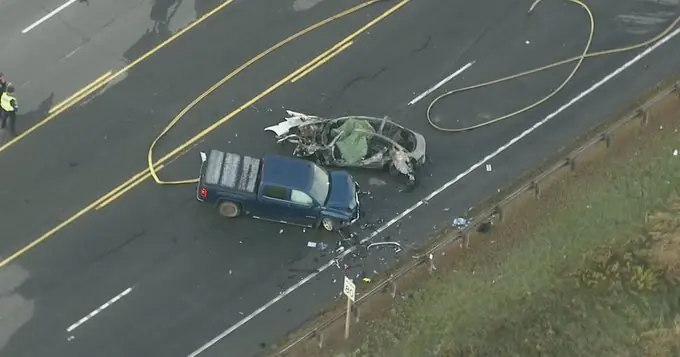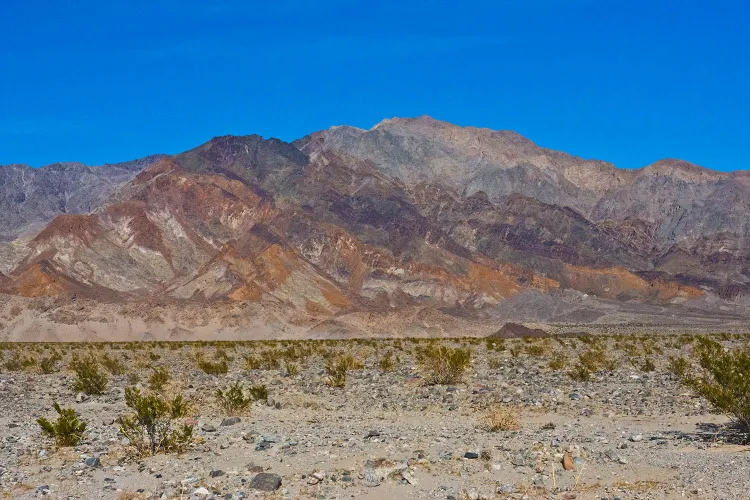

A 68-year-old French tourist died in Death Valley National Park after he and a traveling companion became stranded when their vehicle got stuck in mud on a remote road as temperatures reached 116°F.
Pierre Michel Formosa and his companion, both from France, were traveling on West Side Road near Queen of Sheba Mine Road on Monday, August 17, when their vehicle became immobilized. With no other vehicles nearby, the men left the vehicle and began walking across the salt flats toward Badwater Road to seek help.
The incident highlights how quickly a vehicle problem can become a serious emergency in Death Valley, where extreme summer temperatures, long distances and limited cell service can make getting help difficult.
What happened to Pierre Michel Formosa?
According to the National Park Service’s official account, Formosa and his companion became stuck in mud while driving West Side Road near Queen of Sheba Mine Road.
The two men decided to walk toward Badwater Road. Temperatures reached 116°F, or about 47°C, that day.
After walking approximately 1.3 miles, Formosa was unable to continue. His companion continued alone, eventually receiving assistance from a passing motorist. He reported the incident at Furnace Creek Visitor Center shortly after 2 p.m.
Search-and-rescue operation launched
National Park Service rangers and an Inyo County deputy began a search-and-rescue operation at approximately 2:13 p.m.
A California Highway Patrol helicopter joined the search and located Formosa later that afternoon, approximately 1.5 miles from Badwater Road. He was pronounced dead at the scene.
The Inyo County coroner will determine the official cause and manner of death. Although Formosa became stranded during extreme heat, authorities have not confirmed heat stroke or another heat-related condition as his cause of death.
West Side Road conditions raise another warning
The location where the travelers became stranded is important for anyone planning to explore Death Valley’s backcountry. Mud, sand, washouts and other changing conditions can make unpaved roads difficult or impassable.
Visitors should check current road and weather conditions immediately before traveling and make sure their vehicle is suitable for the planned route. The National Park Service warns that many backcountry roads require high-clearance or four-wheel-drive vehicles and conditions can change without warning.
Why a 1.3-mile walk can become dangerous
A 1.3-mile walk might appear manageable under ordinary conditions, but Death Valley’s environment changes the risk considerably. Temperatures reached 116°F on the day Formosa became stranded, while exposed salt flats provide little protection from intense summer conditions.
Cell service is also limited or nonexistent in many remote areas of the park, and emergency help can be hours away. A relatively routine vehicle problem can therefore leave travelers without an immediate way to call for assistance.
Extreme heat has created serious risks at other U.S. national parks as well. A recent Grand Canyon incident involving hiker deaths during temperatures around 109°F underscored the dangers of strenuous activity in severe desert heat.
Golden Eagle Found With 17 Shotgun Pellets in Scotland
Father Leaves 7-Year-Old Son Alone on Mount Fuji for Eight Hours
Should you stay with your vehicle in Death Valley?
The National Park Service says staying with a disabled vehicle is often the safest choice. A vehicle provides shade and shelter and is considerably easier for search teams to locate than a person walking across open terrain.
Visitors should not assume another vehicle will soon pass or that a mobile phone will work. For remote trips, NPS recommends carrying a way to request help where cell service may not reach, such as a satellite communicator or emergency beacon.
Travelers should also tell someone where they are going and when they expect to return before setting out.
How much water should visitors carry?
NPS recommends at least one gallon of water per person per day, plus additional water for vehicle emergencies. Visitors should also carry enough food and other supplies to remain safe if an unexpected breakdown or road problem delays their journey.
During periods of extreme heat, park officials encourage visitors to remain on paved roads and avoid hiking at lower elevations.
Remote terrain can complicate rescue efforts
Death Valley’s combination of heat, distance and limited communications is part of a wider challenge faced by travelers in isolated environments. In another case, a missing hiker found alive after 14 days in Malaysia’s mountains demonstrated how difficult locating and reaching someone can become in remote terrain.
Death Valley National Park Superintendent Mike Reynolds described Formosa’s death as a heartbreaking reminder of how quickly conditions can become dangerous, emphasizing the risks created by the park’s heat, distances and remoteness.
For visitors, the practical lesson is to prepare for the possibility that help will not be immediately available: check road and weather conditions, carry substantial water and emergency supplies, use a vehicle suited to the route and have a backup method of communication when traveling beyond reliable cell coverage.

Make Swikblog your go-to source on Google for reliable updates, smart insights, and daily trends.