
Updated: July 2, 2026
Three hikers have died in Grand Canyon National Park during a stretch of dangerous summer heat, prompting renewed safety warnings from the National Park Service (NPS). The fatalities occurred over several days in mid-June as temperatures in the Inner Canyon climbed to about 109°F (43°C), creating conditions that can quickly become life-threatening for anyone hiking in exposed areas.
Park officials said emergency crews responded to separate incidents on June 12 and June 16. While the investigations remain open, authorities said each person appeared to have experienced symptoms consistent with heat-related illness before they died.
What Happened at Grand Canyon National Park?
The first incident happened on June 12 along the South Kaibab Trail, where a 72-year-old man was found unresponsive. Four days later, on June 16, rescuers were called to two separate emergencies involving a 67-year-old man and a 68-year-old woman on the North Kaibab Trail.
According to the National Park Service, all three hikers were pronounced dead before rescue teams could transport them for medical treatment. Officials have not released final causes of death while investigations continue.
Why Summer Hiking in the Grand Canyon Is So Risky
The Grand Canyon experiences dramatic temperature differences between the rim and the canyon floor. While visitors may begin a hike in relatively comfortable conditions, temperatures can rise sharply as elevation drops.
During the recent incidents, shaded areas in the Inner Canyon reached around 109°F. Rock surfaces, reflected sunlight and dry desert air can make conditions even more severe, increasing the risk of dehydration and heat stress within a short period.
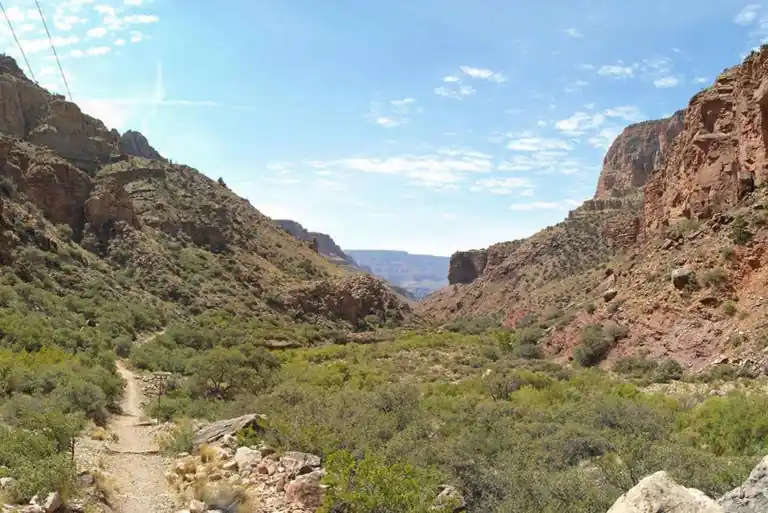
The South Kaibab Trail is particularly challenging because it offers very little shade and limited access to drinking water after leaving the trailhead. The North Kaibab Trail is longer, more remote and includes significant elevation changes that require sustained physical effort.
Who Faces the Greatest Heat Risk?
The Centers for Disease Control and Prevention (CDC) says heat-related illness develops when the body can no longer regulate its temperature effectively. Early warning signs include heavy sweating, dizziness, weakness, nausea, muscle cramps and headaches. Without rapid cooling and hydration, heat exhaustion can progress to heat stroke, a medical emergency.
Older adults, people with chronic health conditions, young children and those taking certain medications generally face a higher risk during periods of extreme heat. The ages of the three hikers involved—72, 68 and 67—illustrate why health experts encourage extra caution during hot-weather outdoor activities.
National Park Service Safety Advice
Following the incidents, the National Park Service repeated its long-standing advice for anyone planning an Inner Canyon hike. Rangers recommend starting before sunrise, avoiding strenuous activity during the hottest part of the day, carrying enough water and electrolyte replacements, wearing lightweight protective clothing and turning back if symptoms of heat illness appear.
Visitors are also encouraged to check current trail conditions and weather forecasts before setting out. The recent fatalities come as much of the Southwest continues to experience unusually high temperatures linked to broader regional heat events, including a heat dome that has pushed temperatures to dangerous levels across several states.
Read More
Extreme Heat Is Becoming a Bigger Challenge for National Parks
National parks across the American Southwest have seen increasing numbers of heat-related medical emergencies during recent summers. Higher daytime temperatures reduce the body’s ability to recover during long hikes, particularly on steep trails with little natural shade.
Search and rescue operations in remote canyon terrain are often complex and can take time because crews must travel long distances over difficult ground. That makes prevention one of the most effective safety measures available to visitors.
Planning Ahead Can Reduce the Risk
Anyone considering a summer hike in the Grand Canyon should match the route to their fitness level, carry more water than they expect to need and remain flexible if weather conditions worsen. Rangers advise turning around early rather than pushing forward in extreme heat.
Up-to-date alerts, trail information and seasonal safety guidance are available through the National Park Service. Officials hope continued public awareness will help reduce preventable emergencies during one of the park’s busiest travel periods.

Make Swikblog your go-to source on Google for reliable updates, smart insights, and daily trends.