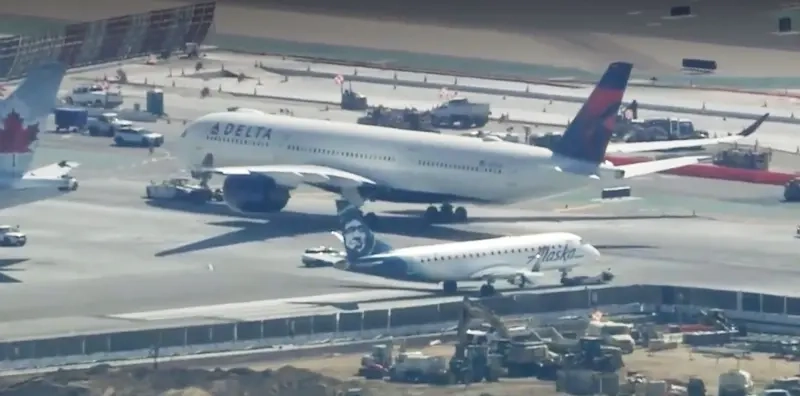

LOS ANGELES — A Delta Air Lines jet carrying 275 passengers and 15 crew members clipped an Air Canada aircraft that had arrived from Toronto at Los Angeles International Airport on Tuesday, October 6, damaging the planes and prompting a federal investigation.
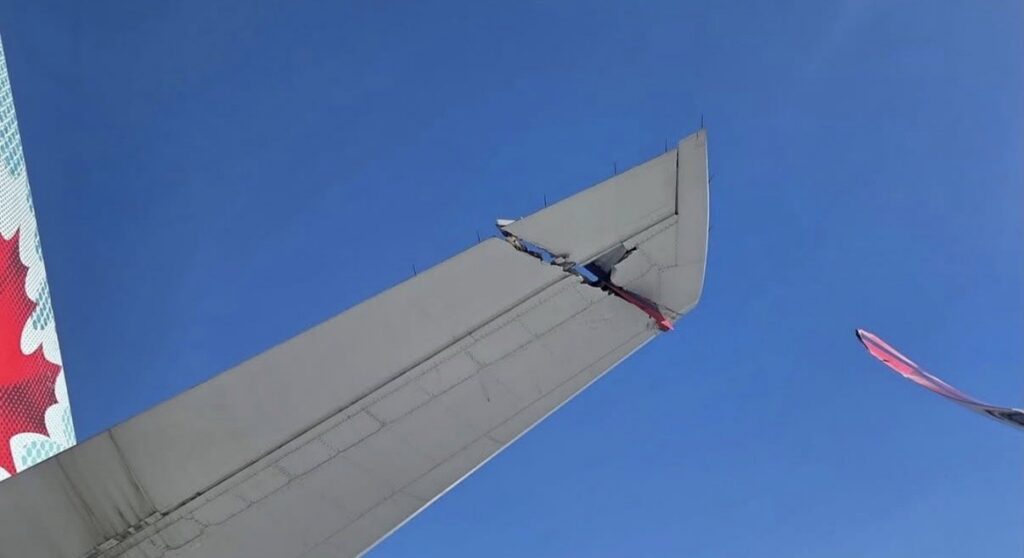
Both airlines said no injuries were reported, according to CP24’s report. Air Canada said its Boeing 777 was being taken out of service for inspection and repairs.
The collision occurred around 10:30 a.m. local time as Delta Flight 7, an Airbus A350, was taxiing for departure. Its left wingtip struck the Air Canada plane’s horizontal stabilizer — the horizontal surface near the tail.
The Federal Aviation Administration said the Air Canada aircraft was being towed and had stopped short of its gate when the contact occurred. The agency is investigating.
Air Canada aircraft withdrawn for repairs
CP24 identified the Toronto arrival as Air Canada Flight AC785. Its report, by Bryann Aguilar, was updated at 3:56 p.m. EDT on Tuesday.
The FAA’s public statement lists the Air Canada flight as AC875, leaving a discrepancy in the flight number between the two accounts. Both describe Delta’s wingtip striking the Air Canada aircraft’s horizontal stabilizer during ground movements.
In separate statements cited by CP24, both airlines confirmed their aircraft had made contact. Delta said maintenance crews and airport teams would assess its aircraft, while Air Canada confirmed its plane needed inspection and repairs.
Delta Flight 7 was scheduled to travel to Tokyo Haneda, according to a report quoting a Delta spokesperson.
“Nothing is more important than the safety of our customers and people,” Delta said in its statement to CP24.
The airline also apologized to passengers for the experience and the delay to their journeys.
Cause of the collision remains under investigation
Neither the FAA statement nor the CP24 report establishes why the aircraft came into contact or assigns responsibility. Air Canada’s passenger and crew count was not included in the report.
Repair timelines and replacement travel arrangements had not been detailed in the statements cited by CP24. The immediate consequence for the airlines was the need to assess the damage before returning the aircraft to service.

Make Swikblog your go-to source on Google for reliable updates, smart insights, and daily trends.