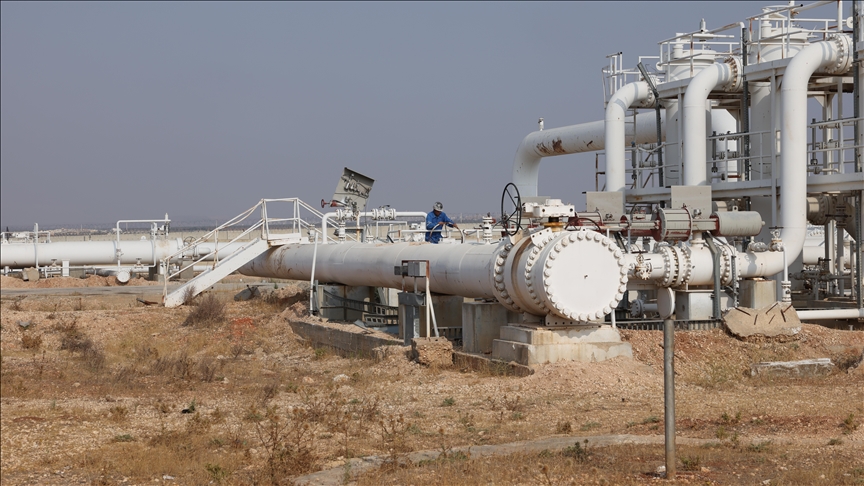

Operations at Abu Dhabi’s key Habshan gas facilities were abruptly suspended after a fire broke out following falling debris from intercepted aerial threats, marking the latest in a series of incidents targeting the UAE’s critical energy infrastructure.
The Abu Dhabi media office confirmed on Friday, April 3, that emergency teams were responding after debris fell in the Habshan area, triggering a fire and forcing a temporary shutdown of operations. The debris resulted from successful interceptions by the UAE’s air defence systems, officials said.
No injuries have been reported so far, providing some reassurance amid heightened regional tensions.
In a separate but related development, authorities also responded to falling debris in the Ajban area, again linked to successful air defence interceptions. Officials said updates would be shared as the situation evolves.
Repeat incidents raise security concerns around UAE energy hubs
The latest disruption comes just weeks after a similar episode on March 19, when the Habshan gas facility was temporarily shut down following missile debris fallout. On the same day, Abu Dhabi’s Bab oil field — another strategic energy asset — was also struck, highlighting a concerning pattern of threats targeting the country’s energy backbone.
In response to the earlier attacks, the UAE’s Ministry of Foreign Affairs condemned what it described as an Iranian terrorist strike on the Habshan facility and the Bab field, signaling the geopolitical stakes surrounding these incidents.
The Habshan complex is one of the UAE’s most important gas processing hubs, handling large volumes of natural gas that support domestic power generation, industrial activity, and broader economic stability. Any disruption, even short-term, carries implications for supply continuity and market sentiment.
The recurrence of such incidents — despite successful interceptions — underscores a critical challenge: while defence systems can neutralize direct threats, falling debris continues to pose risks to infrastructure and nearby areas.
For global energy markets already on edge due to ongoing geopolitical tensions, these developments reinforce concerns about supply security in one of the world’s most vital oil and gas regions.
Authorities have not reported casualties and continue to monitor both Habshan and Ajban closely, with further updates expected as damage assessments and safety checks progress.
You may like: UK Tourism Boom 2026: English Heritage and National Trust Launch Easter Discount Push

Make Swikblog your go-to source on Google for reliable updates, smart insights, and daily trends.