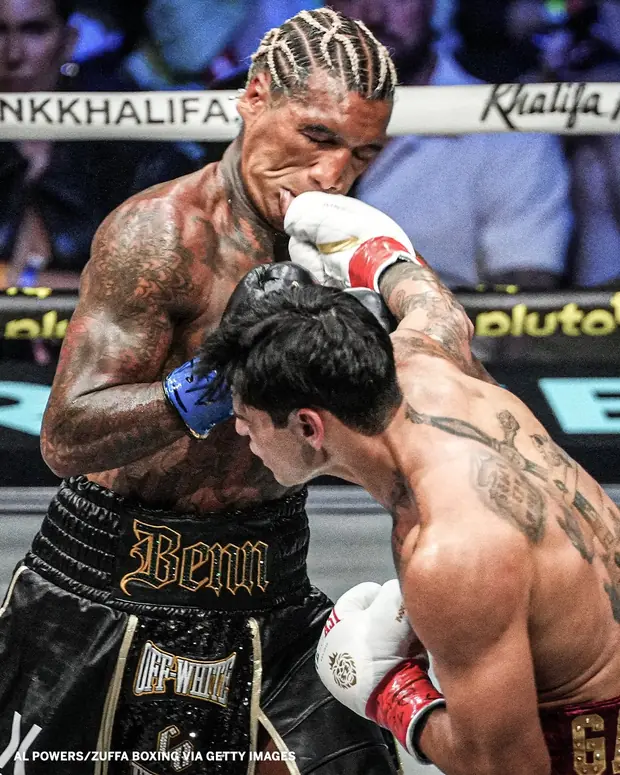
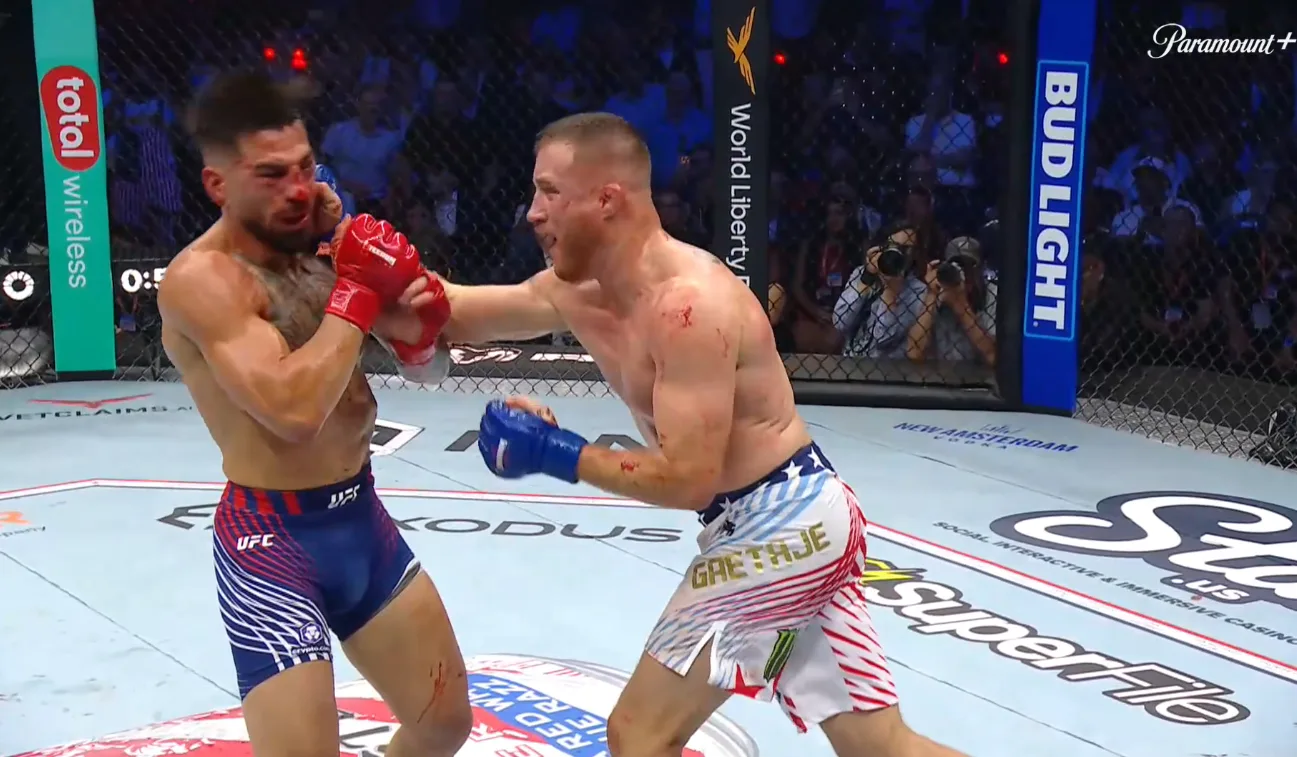
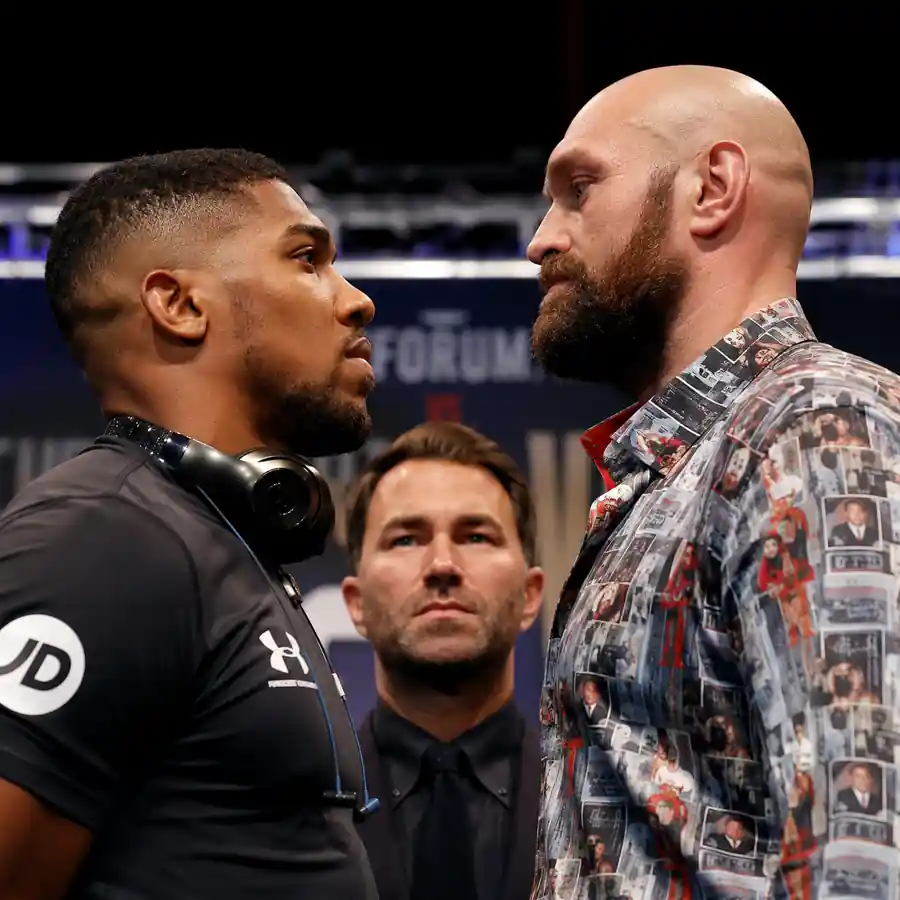
Andrew Tate’s return to the ring ended with a hard reality check: Chase DeMoor defeated Tate by majority decision in their six-round Misfits Boxing main event in Dubai, taking the win on two scorecards while one judge had it even. The bout was fought at the Dubai Duty Free Tennis Stadium in the early hours local time, with a crowd split between curiosity, spectacle, and a loud pocket of “Top G” chants that followed Tate from the opening bell to the final horn.
Andrew Tate vs Chase DeMoor result (official):
- Winner: Chase DeMoor
- Method: Majority decision
- Scorecards: 58–56 DeMoor, 58–56 DeMoor, 57–57
- What it means: DeMoor keeps the Misfits heavyweight title
On paper, the storyline sold itself: Tate, a decorated kickboxer who hadn’t boxed in years, stepping into a boxing ring after a long absence; DeMoor, the bigger man and the reigning champion in this influencer-driven promotion, tasked with turning hype into proof. What played out was less a clean technical showcase and more a messy, exhausting test of composure, gas tank, and who could impose themselves when form started to unravel.
Multiple post-fight reports confirmed the scoring and the majority decision outcome, with DeMoor’s late pressure proving decisive. For readers wanting the official result in one place, the widely reported scorecards were 58–56, 58–56, and 57–57 for DeMoor. (You can read event coverage and results via Yahoo Sports and detailed round coverage via MMA Fighting.)
How the fight unfolded (simple timeline)
- Rounds 1–2: Tate looks the more comfortable striker early, landing cleaner single shots and body work.
- Round 3: DeMoor begins to close distance and land heavier combinations, making it rougher than pretty.
- Round 4: Clinches multiply. Both men slow, and the fight turns into a grind.
- Round 5: The swing round: Tate touches the canvas twice (one widely viewed as a slip; another from a heavy uppercut sequence).
- Round 6: Tate rallies in spots, DeMoor finishes with pressure, and the judges side with the champion.
The early rounds gave Tate’s supporters something to cling to. He appeared calmer in the first exchanges, reading DeMoor’s entries and finding moments to score to the body and down the middle. Even when it wasn’t spectacular, it looked like a man who has lived in combat rhythm before: shoulder feints, guarded steps, quick returns to stance.
But there was a second story running underneath the first: DeMoor’s size and willingness to make the fight ugly. The champion didn’t need to look like a classic boxer to win rounds; he needed to take minutes away from Tate. As the pace rose and the clinches grew longer, Tate’s movement became more laboured. The cleaner work in Round 1 doesn’t matter much if Round 5 feels like survival.
Round 3 was where the mood shifted. DeMoor began to land in combinations, less sharp than forceful, and started to steer Tate backward. It wasn’t one punch that changed everything; it was the accumulation. The fight drifted into a rhythm that suits bigger fighters: pressure, tie-ups, short shots, repeat.
By Round 4, fatigue was visible on both sides. The clinch-heavy sequences made it difficult to separate clean scoring from brute insistence, but the champion’s physicality seemed to register with judges. Tate still had moments—brief flashes of the earlier poise—but the bursts were shorter, the resets slower, and the distance harder to control.
Then came the moment most people will replay: Round 5. Tate touched the canvas twice. One of those was widely viewed as a slip—awkward footing and momentum rather than a clear knockdown—while the other came during a heavy exchange where DeMoor’s uppercut work appeared to wobble Tate before he fell into a clinch. Even without an official knockdown ruling, those are the kind of visuals that swing tight rounds. In a six-round fight, a single dramatic sequence can turn a debate into a verdict.
The final round had a familiar shape: Tate trying to find clean counters and a late statement; DeMoor trying to crowd him and keep the fight in the trenches. Tate did rally in patches, but DeMoor’s pressure and the Round 5 optics left the champion with a clearer path on the cards.
Quick clarity for your readers: “Touched the canvas” doesn’t always mean “knocked down.” Reports described one as a slip and one as a punch-related fall. The official result remains a majority decision win for DeMoor.
So what does it all mean? For DeMoor, it’s a career-defining win: a title defence against the most globally famous opponent he’s faced, sealed with late dominance in a fight that demanded grit more than beauty. For Tate, the questions now come quickly and loudly. If he boxes again, the smart money says the path would involve a more forgiving matchup, tighter conditioning, and a clearer strategy for dealing with larger opponents who can turn a ring into a wrestling match.
Whether Tate returns or not, the bout worked like a modern morality play about combat sports fame: the noise is massive, the hype is instant, and then the bell rings—and only the minutes matter. In Dubai, Chase DeMoor made those minutes count.
You may also like: Anthony Joshua Beats Jake Paul: Knockout Result and Key Moments

Make Swikblog your go-to source on Google for reliable updates, smart insights, and daily trends.