
For millions of Australians involved in grassroots sport — from parents registering children to volunteers running weekend competitions — PlayHQ is not a brand they chose, but a system they rely on. This week, that system entered a new chapter after confirmation that PlayHQ will be acquired by the US-based Alpine Software Group in a major cross-border sports technology deal.
The transaction, first reported by Australia’s sports and leisure industry press, places one of the country’s most widely used community sport platforms under foreign ownership for the first time. While the financial terms have not been disclosed, the implications reach far beyond the balance sheet — directly into local clubs, school competitions, and national sporting bodies across Australia.
According to reporting by Ausleisure, the deal is subject to regulatory approvals, with PlayHQ set to operate within Alpine’s decentralised software portfolio once completed.
Why PlayHQ Matters to Australian Sport
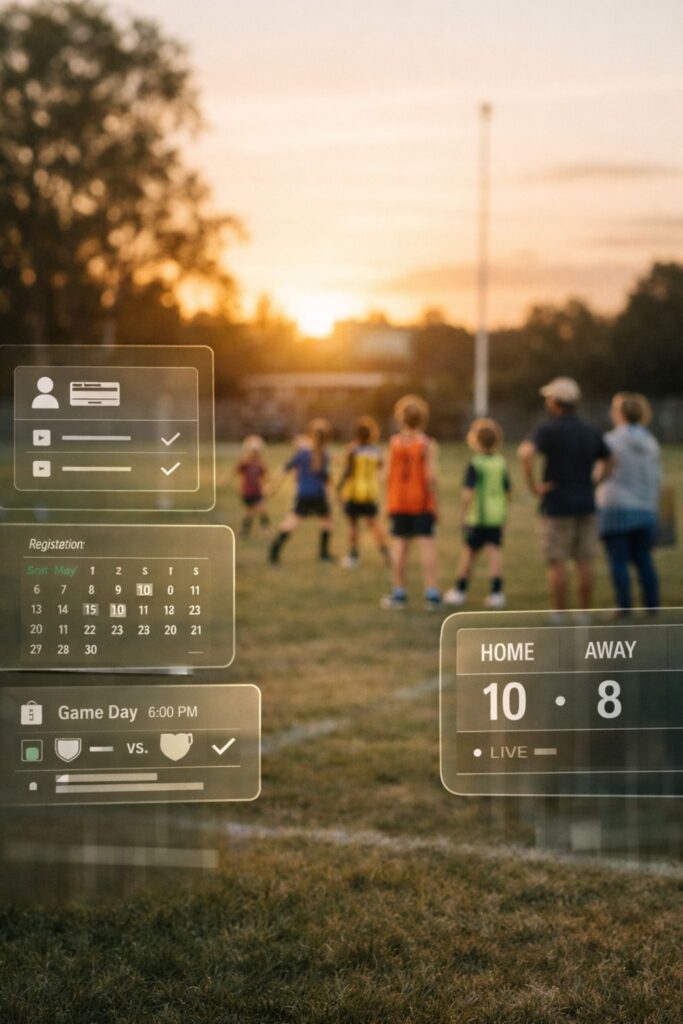
PlayHQ is deeply embedded in the structure of Australian community sport. The cloud-based platform manages registrations, payments, fixture scheduling, live scoring, and competition administration for thousands of clubs nationwide. It is also used by several of Australia’s major sporting organisations, making it a critical layer of sporting infrastructure rather than a consumer-facing app.
For many families, PlayHQ is the gateway into organised sport — the place where fees are paid, teams are assigned, and seasons officially begin. For volunteers and administrators, it has become the default system that keeps competitions running week to week.
Who Is Buying PlayHQ?
The buyer, Alpine Software Group, is part of a US private investment network that focuses on acquiring and scaling specialised software businesses. Alpine’s model typically allows acquired companies to retain their leadership teams and operational independence while benefiting from shared technical and financial resources.
This approach has reassured some in the sector. PlayHQ’s existing management team, including its chief executive, is expected to remain in place following the acquisition, maintaining day-to-day continuity for Australian users.
Will Anything Change for Clubs and Parents?
In the short term, very little is expected to change. PlayHQ will continue operating under its existing brand, and there has been no indication of immediate changes to pricing, data handling, or platform access for clubs and families.
However, ownership changes inevitably raise questions — particularly in community sport, where costs and accessibility are constant concerns. Parents and clubs will be watching closely for any future adjustments to registration fees, transaction charges, or mandatory system use imposed by governing bodies.
The company has positioned the acquisition as a growth opportunity rather than a restructuring, pointing to the potential for improved technology, enhanced support services, and broader international development.
Australia’s Sports Tech Goes Global
Beyond the practical implications, the deal highlights the growing international value of Australian sports technology. Community sport systems are complex, high-volume, and deeply regulated — and platforms that work at scale in Australia are increasingly attractive to global investors.
For PlayHQ, the acquisition may accelerate expansion into overseas markets while keeping Australia as its operational core. For Australian sport more broadly, it underscores how local systems are becoming part of a global sports technology ecosystem.
What Happens Next?
The acquisition is expected to be completed once regulatory approvals are finalised. In the meantime, PlayHQ will continue to operate as usual across Australia’s sporting landscape.
For clubs, parents, and volunteers, the most important takeaway is stability — at least for now. The real test will come over time, as users assess whether new ownership brings meaningful improvements without adding cost or complexity to community sport.
As Australian sport becomes increasingly digitised, deals like this serve as a reminder that the platforms behind weekend games and junior registrations are no longer small, local tools — they are global assets with local consequences.
You may also like:
A Lone Sea Lion on a Silent Beach Is Capturing Attention on Kangaroo Island
Written by Swikblog Desk

Make Swikblog your go-to source on Google for reliable updates, smart insights, and daily trends.