Written by Daniel Harper
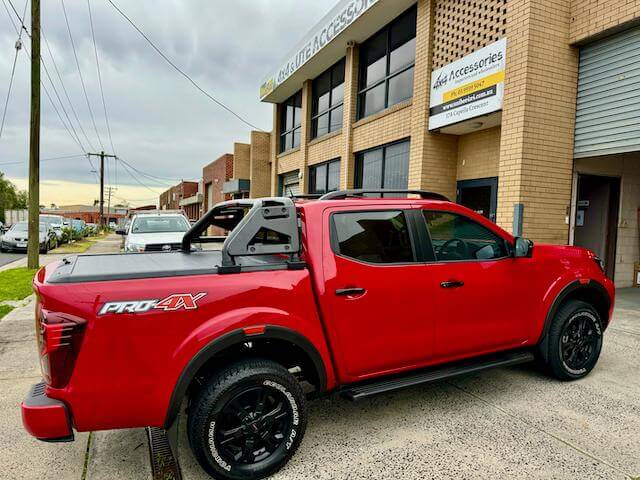
Australians love their utes. The Ford Ranger and Toyota HiLux have spent years at the pointy end of the sales charts, and the dual-cab has become shorthand for practicality, freedom, and “weekend adventure” credibility. But a fresh spike in interest around the word “ute” suggests a wider conversation is bubbling up again: are today’s utes still the right fit for how most Australians actually live?
Utes account for a major slice of Australia’s new-car market, roughly on par with the popularity of medium SUVs. That’s not surprising: a dual-cab can do the workweek grind, handle towing duties, and still pretend it’s ready for the outback at a moment’s notice.
The tension is that Australia’s day-to-day reality doesn’t always match the heavy-duty image. The Australian Bureau of Statistics (ABS) has long shown the country’s population is heavily concentrated in major cities and urban areas, which makes the modern dual-cab’s ever-growing footprint feel harder to justify for plenty of drivers.
In plain terms: if your week looks like apartment parking, school drop-offs, and a crowded shopping-centre car park, a 5.4–5.5-metre ute can feel less like a tool and more like a daily inconvenience. For many owners, the capability they’ve paid for is rarely used — but the bulk and running costs show up every single day.
The utes Australia doesn’t get
What’s fuelling the current debate is not just the size of utes — it’s the sense that Australia is missing an entire category of “middle ground” vehicles. In other markets, manufacturers sell smaller, SUV-based utes that combine city-friendly driving manners with a proper open load bed. Think: a vehicle that’s comfortable and efficient like a medium SUV, but still genuinely useful for hardware runs, camping gear, and Facebook Marketplace pickups.
Two well-known examples in North America are the Ford Maverick and Hyundai Santa Cruz. In South America, similar car-based utes are treated as a mainstream choice rather than a quirky experiment — a format that would look familiar to Australians who remember earlier, road-biased ute formulas from past decades.
The result is a frustration loop: Australians buy what’s available (mostly body-on-frame dual-cabs), then complain about the compromises, then buy another one anyway — because there often isn’t a practical alternative on the showroom floor.
Why brands are reluctant to take the risk
If the appetite for utes is so strong, why wouldn’t automakers broaden the menu? The answer is a mix of money, manufacturing, and caution.
- Right-hand-drive costs: Developing or adapting a model for right-hand drive can be expensive, especially if global volumes are focused elsewhere.
- Profit protection: High-demand, high-margin utes can make brands wary of introducing smaller models that might cannibalise their best-sellers.
- Image expectations: Australia’s ute culture rewards towing numbers, rugged styling, and off-road branding — even if most owners rarely need that full capability.
The debate flared up again after fresh commentary highlighted how many ute-shaped solutions exist globally but remain missing in Australia. (You can see one widely shared example of that argument in this Drive explainer on ute options Australia doesn’t receive.)
Is the segment finally changing?
Change tends to arrive slowly in Australia’s ute market — until it doesn’t. Rising fuel costs, stricter emissions expectations, and the steady growth of hybrid and electric drivetrains are all pressuring manufacturers to rethink how utility vehicles are packaged.
At the same time, urban life is pushing buyers toward practicality: easier parking, lighter steering, better ride comfort, and less “truck-ish” daily driving. That doesn’t mean Australians are abandoning utes. It means a growing chunk of buyers may want the convenience of a medium SUV without giving up the usefulness of an open tray.
Put those forces together and the “ute of the future” may look different from the classic ladder-frame, diesel-first formula. For some households, it might be smaller, lighter, and more efficient — a vehicle designed for real life in city streets, not an imagined life on a remote track.
Australia isn’t falling out of love with utes. But the conversation is shifting. The question isn’t whether Australians want utes — it’s whether the market is willing to offer utes that match modern Australian living.
You may also like: More trending Australia news on Swikblog

Make Swikblog your go-to source on Google for reliable updates, smart insights, and daily trends.