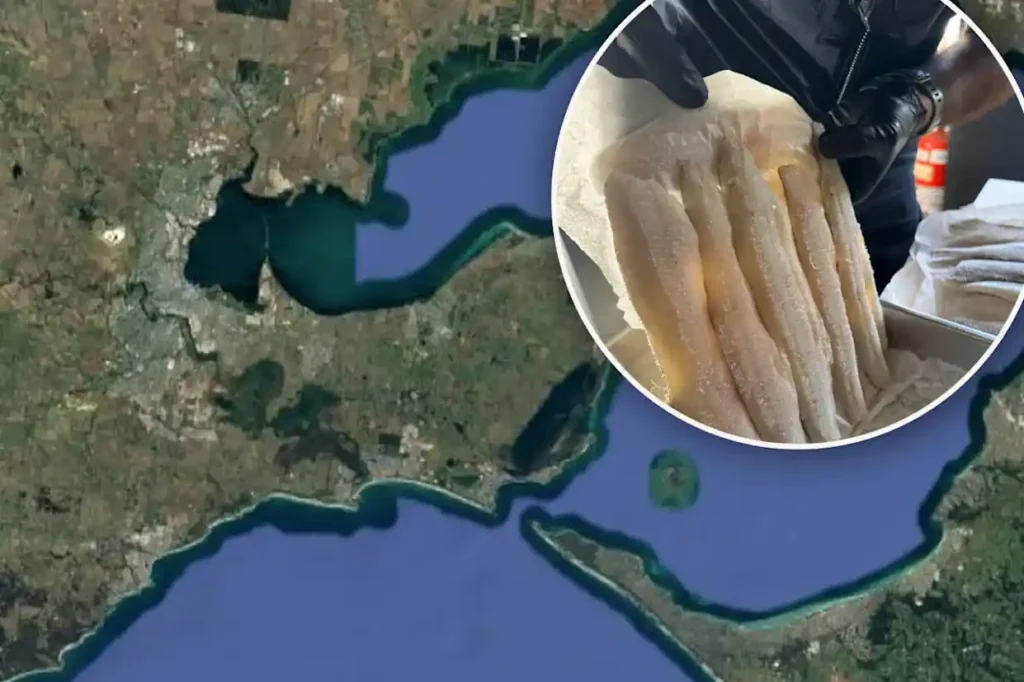

A restaurant on Victoria’s Bellarine Peninsula is facing possible fines of more than AU$24,000 after fisheries officers allegedly found King George whiting fillets hidden in a separate freezer without documents showing they had been legally purchased.
The case has put Australia’s seafood traceability rules back in focus. Authorities say recreationally caught fish cannot be sold, exchanged or bartered into commercial kitchens because it bypasses the legal supply chain, creates food safety risks and undercuts licensed commercial fishers.
(adsbygoogle = window.adsbygoogle || []).push({});Inspection found fish without a legal paper trail
The inspection was carried out by officers from the Victorian Fisheries Authority at a restaurant on the Bellarine Peninsula, about 90 kilometres southwest of Melbourne.
According to fisheries authorities, the restaurant owner was asked to show seafood and purchase records during the inspection. The owner produced documentation for some seafood, but officers later found a separate quantity of King George whiting fillets concealed in another freezer.
No receipts or proof-of-sale records could be produced for those fillets. After further questioning, officers determined the fish had been supplied by a recreational fisher, which is illegal in Victoria.
Why recreational fish cannot be sold
Recreational fishing is intended for personal use. Licensed commercial fishers operate under a different system that includes permits, reporting obligations, handling rules and traceability requirements.
That legal separation matters once seafood reaches a restaurant. Diners expect the fish on a menu to come from an approved supplier, not from an informal private arrangement that cannot be verified through invoices or supplier records.
Authorities say illegal sales can undermine legitimate commercial fishers, weaken sustainability controls and make it harder to trace seafood if a food safety issue emerges.
Restaurants face risk if records are missing
The case is a warning for food businesses as much as it is for recreational fishers. Restaurants and fishmongers must be able to prove that seafood on their premises was legally sourced.
Businesses that fail to keep proof-of-sale documentation for seafood can face fines exceeding AU$24,000. In practice, that means every fish fillet in a commercial freezer should match a lawful supplier invoice or receipt.
For restaurant owners, buying seafood informally may look cheaper in the short term, but it can expose the business to penalties, reputational damage and wider compliance checks.
Illegal seafood trade remains a national concern
The Bellarine Peninsula incident is not isolated. Australia’s illegal seafood trade is estimated to be worth tens of millions of dollars each year, with high-value species such as abalone often targeted by black-market operators.
In New South Wales, two recreational fishers were recently fined AU$2,000 each after they were caught illegally selling their catch online following a tip-off to authorities.
The Minns Government has also backed a broader crackdown on illegal abalone and seafood sales. During a three-day Sydney compliance blitz in February, NSW Fisheries Officers and Food Authority Compliance Officers inspected 15 premises.
Authorities seized around 15 kilograms of abalone from seven premises during that operation. Dried abalone can sell for more than AU$1,000 per kilogram, making it a valuable target for unlawful trading.
Read More:
- Delta flight reports suspected firework strike in Chicago
- National Fried Chicken Day deals 2026
- Visit the Swikblog homepage for more latest news
Why seafood traceability matters for diners
Seafood traceability is not just a paperwork issue. It helps authorities confirm where fish came from, whether it was legally caught, and whether it moved through an approved supply chain before being served to the public.
Without records, regulators may struggle to investigate contamination complaints, illegal harvesting, catch-limit breaches or unsafe handling practices.
The same compliance pressure is being felt across Australian businesses, with authorities taking a harder line on record-keeping and workplace obligations, including cases such as the ATO crackdown that exposed widespread business non-compliance.
What fishers and food businesses should remember
Recreational fishers can catch fish within legal limits for personal use, but they cannot sell, swap or barter that catch to restaurants, shops or private buyers.
Restaurants should buy seafood only from licensed suppliers and keep clear records for all stock, including products stored in separate freezers or back-of-house areas.
The message from fisheries officers is simple: if seafood is being sold to the public, there must be a legal paper trail showing exactly where it came from.

Make Swikblog your go-to source on Google for reliable updates, smart insights, and daily trends.