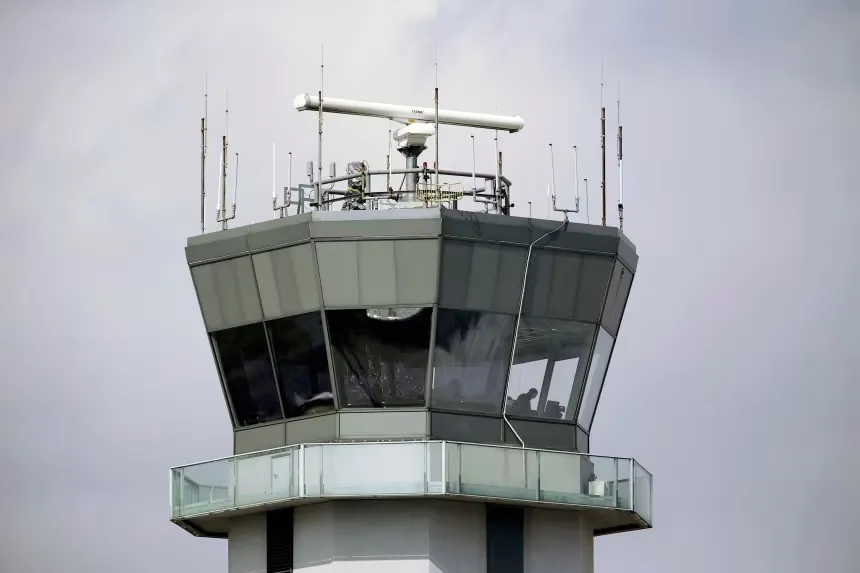

A Delta Air Lines flight arriving at Chicago Midway International Airport on the evening of July 4 landed safely after the flight crew reported hearing and feeling what they believed may have been a firework striking or exploding near the aircraft during its final approach. No passengers or crew members were injured, but the incident has prompted an investigation by the Federal Aviation Administration (FAA).
The aircraft, Delta Flight 1076, was operating an Airbus A319 service from Hartsfield-Jackson Atlanta International Airport to Chicago. After landing normally, Delta removed the aircraft from service so maintenance engineers could carry out a detailed inspection before it returned to operation.
Investigators are now reviewing whether the aircraft experienced a direct firework strike, encountered debris from a nearby explosion, or was simply affected by fireworks detonating close to its flight path.
Crew reported a loud bang during final approach
The incident occurred while the aircraft was descending at an estimated altitude of around 200 to 250 feet, one of the busiest phases of any flight as pilots focus on aligning with the runway and completing the landing.
According to air traffic control communications, the crew reported hearing a significant bang and believed a mortar-style firework may have exploded beneath or near the aircraft. Despite the unexpected event, the pilots continued the approach and landed safely without declaring an emergency.
Once the aircraft reached the gate, Delta’s maintenance team began precautionary inspections to check for any signs of structural damage or impact.
Air traffic controllers had already warned about fireworks
Radio communications indicate that controllers had received several reports of fireworks being launched near Midway Airport’s arrival path before Delta Flight 1076 landed.
Controllers advised the Delta crew to have the aircraft inspected after arrival and later warned another inbound aircraft about fireworks in the same area. During one exchange, a controller described the situation as resembling a “war zone” because of the volume of fireworks visible near the approach path.
Officials also advised that local law enforcement had been notified after reports suggested fireworks were being launched from residential neighborhoods close to the airport.
Why fireworks near airports create safety concerns
Commercial aircraft spend only a short period flying at low altitude during takeoff and landing, but that is also when they are closest to activity on the ground. Fireworks launched near airport approach paths can introduce unexpected flashes, smoke, debris or loud explosions that may distract flight crews during a critical stage of flight.
Although consumer fireworks generally reach lower altitudes than large professional displays, unauthorized launches close to airports can still become a concern when aircraft are descending toward the runway.
Whenever crews report a possible impact, airlines typically inspect exposed areas of the aircraft, including the nose section, windshield, wing leading edges, engine inlets and external sensors before the aircraft is cleared for further service.
Delta confirms passengers were safe
Delta Air Lines said Flight 1076 landed safely at Chicago Midway and confirmed there were no injuries among passengers or crew members.
The airline emphasized that the aircraft taxied normally after landing and was temporarily removed from service solely to allow engineers to complete a thorough inspection. As of now, Delta has not reported confirmed structural damage linked to the incident.
Airport safety investigations are not uncommon after unusual operational events. Earlier this year, a radar system failure at Zurich Airport temporarily disrupted flight operations, highlighting how aviation authorities routinely investigate incidents that could affect passenger safety.
FAA investigation will determine the exact cause
The Federal Aviation Administration is leading the investigation into the July 4 incident. The agency is expected to examine air traffic control recordings, statements from the flight crew, aircraft inspection findings and any available evidence from the area beneath the flight path.
At this stage, authorities have not confirmed that a firework directly struck the aircraft. The investigation will determine whether the loud bang resulted from physical contact, nearby debris or an explosion close to the airplane during its descent.
The confirmed facts remain unchanged: the aircraft landed safely, no injuries were reported and the plane underwent inspection before returning to service. The FAA’s findings will establish whether fireworks were responsible and whether any additional safety measures are needed around airport approach routes during major public celebrations.

Make Swikblog your go-to source on Google for reliable updates, smart insights, and daily trends.