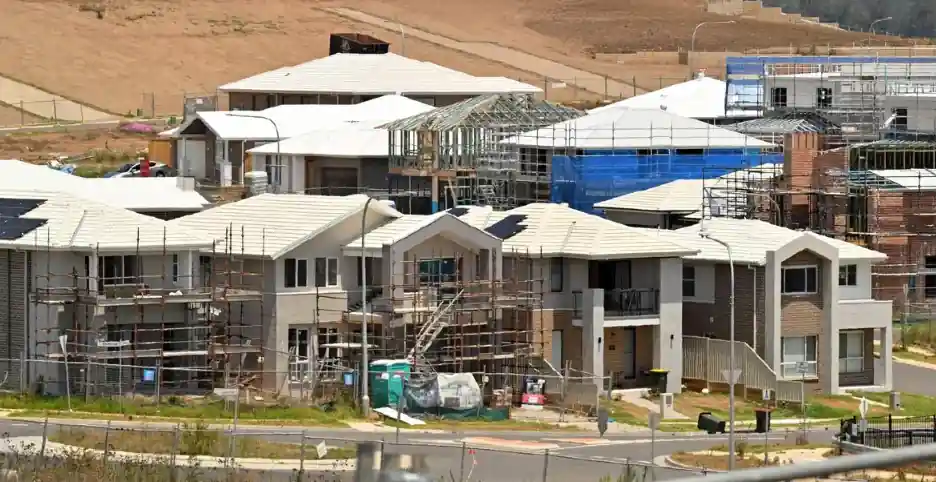

Bathla Group has entered voluntary administration after months of financial pressure, putting billions of dollars in liabilities and about 15,000 homes under construction across Western Sydney in the spotlight.
Restructuring firm Teneo was appointed on Tuesday to key Bathla-linked companies, including Universal Property Group and Raj & Jai Construction. The developer has a large presence across Sydney’s western growth corridor, with projects in areas including Schofields, Marsden Park and Tallawong.
The administration does not automatically mean Bathla’s projects have stopped or the companies are being liquidated. Administrators are now assessing the financial position while trying to keep construction activity and property settlements moving where possible.
How much does Bathla Group owe?
Bathla reportedly secured almost $3.6 billion in loans and had drawn around $3.1 billion several months before entering administration.
Separately, financial records cited by ABC show Universal Property Group had about $3.2 billion in liabilities as of June 30, 2025. A significant share was reportedly owed to private-credit lenders, adding another layer of scrutiny to the group’s financing structure.
Property development is heavily dependent on access to funding because builders often spend substantial amounts before receiving final settlement payments. When sales weaken while construction and finance costs remain elevated, that model can come under pressure quickly.
Why did Bathla enter administration?
Managing director Bhart Bhushan described the conditions facing the developer as a “perfect storm”, pointing to weaker sales, higher construction costs, federal tax changes and declining confidence in important markets.
The pressures are particularly significant in a market already struggling to deliver enough new housing. Australia’s widening housing supply gap has kept attention on whether major residential developments can be completed on schedule.
Higher borrowing costs can compound the problem. Even where buyers remain interested, developers must keep enough funding available to pay builders, suppliers and contractors until projects reach settlement.
Australia’s $12.3 Trillion Housing Market: What Is Driving Property Values?
What does administration mean for 15,000 homes?
Bathla reportedly has around 15,000 houses and apartments under construction across Western Sydney. For buyers, however, the impact is likely to depend on the financing, construction stage and contractual arrangements of each individual development.
Administrator Stephen Longley said discussions with lenders were continuing as Teneo works to stabilise the businesses. The stated priority is to allow construction and settlements to continue in the ordinary course wherever practicable while limiting disruption to customers, workers and contractors.
This is important because voluntary administration is a restructuring process, not an automatic cancellation of every project. Administrators examine assets, debts, funding arrangements and available options before creditors determine the next course for affected companies.
The broader property backdrop is complicated. Despite affordability pressures and higher borrowing costs, Australia’s housing market has remained resilient in many areas, meaning developers can face rising costs even when underlying housing demand remains strong.
Why private credit is under scrutiny
Before the administration, some lenders backing Bathla were reportedly considering selling their loans at discounts. Such sales can allow creditors to reduce their exposure when uncertainty grows around a borrower’s ability to refinance or repay debt.
Bathla’s substantial use of private credit will therefore be closely examined as administrators work through the group’s financial position. ABC News reported that the collapse is expected to increase scrutiny of private-credit financing in property development.
What buyers and contractors should watch now
For customers waiting on unfinished properties, project-specific information from Teneo will be more useful than assumptions about the entire Bathla portfolio. Construction progress, lender support and settlement arrangements may differ considerably from one development to another.
Chief executive Robert Loader said the administration was considered to be in stakeholders’ best interests and that the business would work with administrators to support continued housing delivery.
Contractors and suppliers will also be watching decisions about outstanding obligations and which projects continue. The key issue now is whether administrators and lenders can maintain enough funding to keep viable developments moving while Bathla’s debts and corporate structure are assessed.

Make Swikblog your go-to source on Google for reliable updates, smart insights, and daily trends.