
Behchokǫ̀ is facing a difficult return to normal after a police operation tied to reports of gunfire forced the Northwest Territories community into a nearly nine-hour lockdown, keeping families indoors, children inside schools and residents waiting for answers through most of Friday.
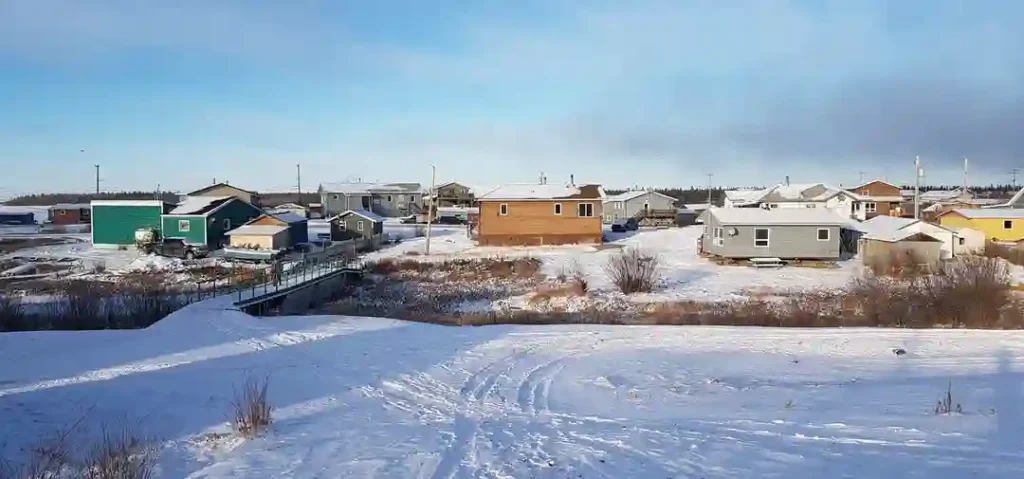
The lockdown began shortly before noon after RCMP responded to reports that shots had been fired by six people travelling on two snowmobiles and carrying long guns. The alert covered the wider community, a small Tłı̨chǫ̨ settlement of roughly 2,000 people located northwest of Yellowknife, where daily routines were quickly replaced by locked doors, worried calls and uncertainty.
Police later said several people had been arrested and that the incident appeared to be targeted. That detail may have reduced fears of a random attack, but it did little to erase the shock of seeing an entire community brought to a halt for hours because of an armed incident.
For Father Lawrence Amamchukwu, pastor of St. Michael’s Church, the timing made the day especially painful. Friday was his 48th birthday, and he had planned a simple meet-and-greet with people in the community. Instead, the church gathering never happened.
He had expected people to come by, celebrate and share a happy moment. But as the lockdown spread across Behchokǫ̀, residents stayed inside and the birthday became a day of calls, concern and waiting. Amamchukwu said he initially believed the emergency would last only a short time. Instead, it stretched through almost the whole day.
The experience reminded him of the isolation and restrictions many people felt during the COVID-19 lockdowns, but with a sharper sense of danger. This time, the community was not staying home because of a public health order. People were sheltering because police were investigating reports of armed suspects and gunfire.
The most sensitive part of the day unfolded in schools. At Elizabeth Mackenzie Elementary School, children remained with teachers well after regular dismissal time. Staff kept them occupied with games, snacks and meals while parents waited for updates and tried to understand when it would be safe for students to come home.
Some parents later heard that children were calm and even enjoyed parts of the unexpected extended school day. But adults in the community know that children can process fear differently. A lockdown may feel like a strange school day in the moment, then become something they remember more clearly later.
Read More
Amamchukwu said that was what troubled him most. Young children, he said, should not have to experience this kind of situation. In a close community, a day involving police, long guns and instructions to remain indoors can become part of a child’s memory for years.
Behchokǫ̀ Chief Bertha Rabesca Zoe was not in the community when the lockdown began. She was in Toronto and travelling back home when she received word of the police operation. Although she was physically away, she stayed connected to authorities and residents throughout the day.
Her leadership during the emergency included a clear request: residents should not post videos or live updates of police activity on social media. In fast-moving public safety situations, online posts can unintentionally reveal officer movements, spread rumours or increase fear. The community largely followed her request.
Instead of sharing material publicly, residents sent messages, photos and videos directly to her. That private flow of information helped her stay informed while avoiding the kind of social media scramble that often follows police operations. It also showed the trust between local leadership and residents at a tense moment.
Rabesca Zoe said she tried to remain rational and present as the lockdown unfolded. Her comments pointed to a difficult balance for community leaders in emergencies: staying emotionally connected to residents while also keeping calm enough to make clear decisions.
By Saturday morning, signs of ordinary life were beginning to return. Chief Jimmy Bruneau School posted details about weekend soccer games, a small but important signal that community routines were restarting. Still, recovery after a lockdown is not as simple as reopening doors.
People in Behchokǫ̀ are now left to process what happened, especially families whose children spent the afternoon in school under emergency conditions. For many residents, the concern is no longer only about Friday’s police operation. It is about how the community talks about the incident, reassures young people and rebuilds a sense of safety.
The situation also highlights the unique pressures facing remote and northern communities during major police responses. Geography, weather, distance and limited local resources can make public safety incidents feel even more intense. When a lockdown covers an entire community of about 2,000 people, the effects touch almost every household at once.
For verified police updates and public safety information, readers can refer to the Royal Canadian Mounted Police. Local readers can also follow broader national updates through Swikblog’s Canada news coverage.
What stands out in Behchokǫ̀ is not only the fear caused by the reported gunfire, but the way residents responded. Teachers stayed with children. Families checked on each other. Community members avoided posting sensitive police activity online. A chief guided people from afar. A pastor spent his birthday praying for peace rather than celebrating.
Rabesca Zoe said the mood in the community is one of resilience, with people wanting to take back their community. That feeling may shape the days ahead as Behchokǫ̀ moves from emergency response to healing.
For Amamchukwu, the wish after such a day was simple. He said he continues to pray for peace, love and joy in the community. After a birthday marked by fear instead of celebration, that hope now belongs to more than one person. It belongs to Behchokǫ̀.

Make Swikblog your go-to source on Google for reliable updates, smart insights, and daily trends.