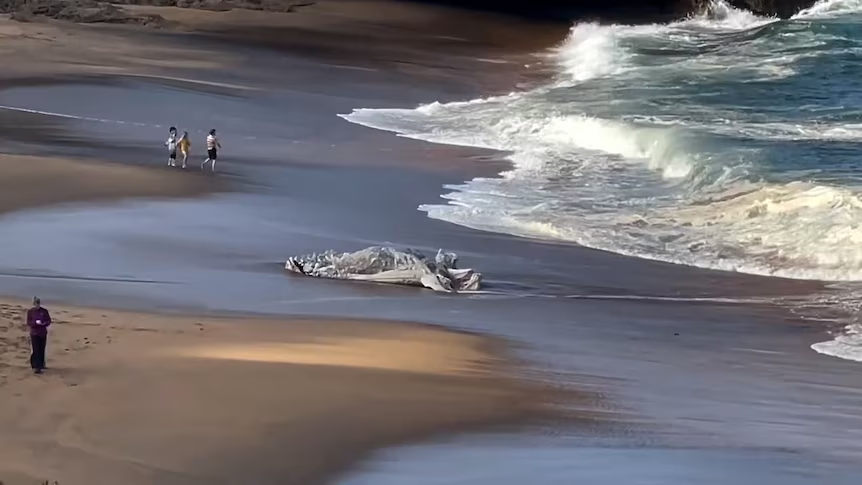

A whale carcass washing onto Bells Beach has forced the temporary closure of one of Australia’s most famous surfing destinations, with authorities warning that the unusual event could increase shark activity close to shore.
The incident unfolded on Victoria’s Surf Coast on Sunday, prompting emergency alerts for both Bells Beach and nearby Winkipop. While whale strandings occasionally occur along Australia’s coastline, they become a public safety issue when they happen near heavily used beaches because large marine carcasses can attract scavengers, including sharks.
Authorities moved quickly to restrict access after the carcass reached the shoreline, turning what would normally be a busy day at the iconic surf break into a closely monitored wildlife and safety operation.
Emergency Warning Issued After Whale Reaches Shore
VicEmergency issued a public warning at about 2pm, advising beachgoers that the whale carcass could attract sharks to the area and potentially bring them closer to shore than normal.
The alert covered Bells Beach and Winkipop, two of the region’s best-known surf locations. Officials stressed that sharks are naturally present along Victoria’s coastline, but the presence of a whale carcass can temporarily alter marine behaviour.
At approximately 3:30pm, the Great Ocean Road Coast and Parks Authority confirmed Bells Beach had been temporarily closed while the situation was assessed.
According to the authority, changing tides may eventually pull the carcass back into the ocean, although monitoring will continue until the risk to beach users is better understood.
Witnesses Describe Bite Marks and Strong Odor
Local surfers who saw the whale shortly after it washed ashore reported that the animal appeared to have significant bite marks. Later in the day, observers said the carcass looked as though it had separated into two sections.
Witnesses also described a strong smell spreading across the beach soon after the whale reached the shoreline.
While authorities have not confirmed what caused the visible damage to the carcass, such details have attracted local attention because they may indicate the whale had already been scavenged before reaching land.
Large marine carcasses can change rapidly as tides, waves and ocean currents continue to move them, creating additional challenges for authorities responsible for public safety and environmental management.
Why Dead Whales Often Attract Sharks
Whale carcasses play an important role in marine ecosystems, providing food for a wide range of ocean species. In deep water, this process occurs naturally and often goes unnoticed.
The situation becomes more complicated when a carcass drifts close to popular beaches. Sharks are highly sensitive to scent in the water, and decomposing whale remains can attract marine scavengers from surrounding areas.
That does not automatically mean sharks become aggressive toward people. However, wildlife experts and fisheries authorities often advise caution because shark activity near a carcass can be higher than usual.
For surfers, swimmers and paddleboarders, the safest approach is to avoid entering the water while warnings remain active and follow official updates from local authorities.
Comparison With Victoria’s 2024 Whale Incident
The Bells Beach event has drawn comparisons with a highly publicised incident in September 2024 when a 16-tonne fin whale washed ashore at 13th Beach on Victoria’s Bellarine Peninsula.
That whale remained on the coastline for weeks before being removed in early October, becoming a major topic of discussion among local residents and visitors.
The current situation is different because authorities believe tides may eventually carry the Bells Beach carcass back out to sea. Even so, the earlier incident demonstrated how quickly whale strandings can become significant public safety and environmental management challenges.
Similar concerns have emerged elsewhere in Australia, including the Sydney beach closures linked to shark activity near a whale carcass, where authorities increased monitoring after marine wildlife attracted predators close to popular swimming areas.
Read More
What Happens Next at Bells Beach
The Victorian Fisheries Authority will continue monitoring the area for shark sightings while coastal managers assess the movement of the carcass.
Whether the whale remains on the beach or is carried back into deeper water by incoming tides will likely determine how long restrictions stay in place.
For now, the closure serves as a reminder that Australia’s coastline is shaped not only by weather and surf conditions but also by unpredictable wildlife events that can quickly change safety conditions for visitors.
People planning to visit Bells Beach or Winkipop are being encouraged to check the latest local advice before entering the water. Additional information about shark hazard management and beach safety is available through the Victorian Fisheries Authority.

Make Swikblog your go-to source on Google for reliable updates, smart insights, and daily trends.